|
ID |
Nickname |
Country / City |
Languages |
Taxonomies |
Comment |
Project / Group |
Map |
|
148942
|
Nicole P
|
United States
Honolulu
|
|
|
—
|
Multilingual Hawaiʻi
|
|
|
27086
|
|
United States
Honolulu
|
|
|
—
|
Multilingual Hawaiʻi
|
|
|
46542
|
|
United States
Honolulu
|
|
|
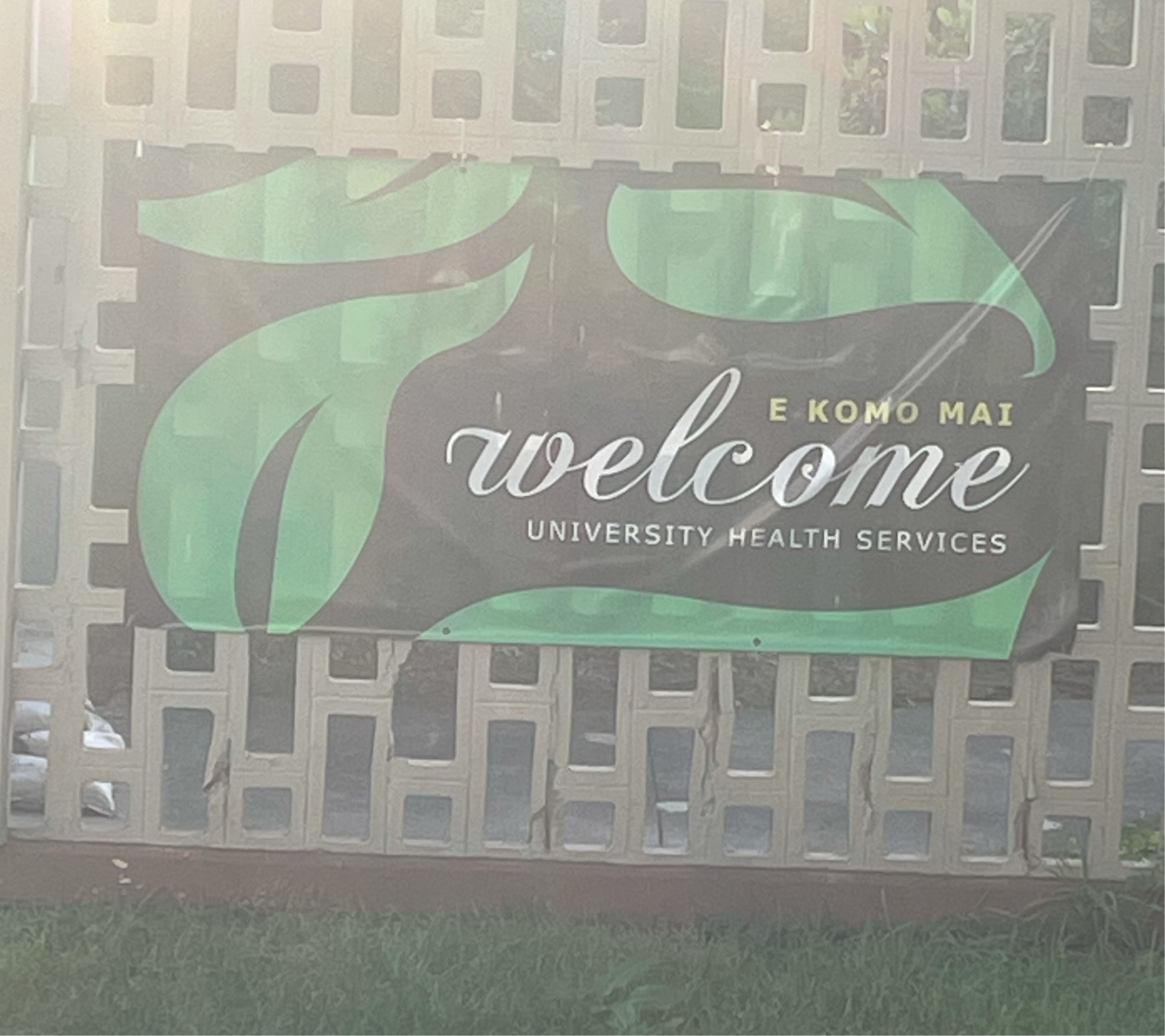
(SP)(check in #3) this is a photo of a semi permanent canvas sign outside of a university building on the UH Manoa campus, in the domain of student life/education/health services. Most of the sign is in big, clear English, likely so that any one on campus, no matter where they’re from, is able to understand the sign and easily access these health services. The Hawaiian phrase for welcome (e komo mai) is in smaller letters compared to the English welcome, as if it was added as an after thought—it may have been included as a part of UH Manoa’s ongoing efforts to reconnect itself with traditional Hawaiian culture and language, and to make itself feel a bit more genuine. It may help in catching the eyes of Local students who speak Hawaiian or are familiar with this phrase, but it is clearly not the main focus of the poster and is easy to miss.
|
Multilingual Hawaiʻi
|
|
|
27087
|
|
United States
Honolulu
|
|
|
—
|
Multilingual Hawaiʻi
|
|

|
46031
|
|
ʻAmelika Hui Pū ʻIa
Honolulu
|
|
|
HK - This is a sign that I found in Johnson Hall B, one of the dorms on campus. This picture was on the 3rd floor of the building where it captures some of the gods that we as Hawaiians pay high respect to, these 4 are essentially some of the main ones, Pele, Poliʻahu, Kanaloa, and Lono. This floor is a Hawaiian-themed floor which I find intriguing, others might not think of it much but I for one am interested in this. Especially the 4 elements being represented here with fire, snow, water, and wind. It could be translated as the 4 seasons and the 4 gods in control of it. Or it's an acknowledgment of the divine gods of the past. But I may never know because I donʻt live in that dorm.
|
Multilingual Hawaiʻi
|
|
|
46543
|
|
United States
Honolulu
|
|
|
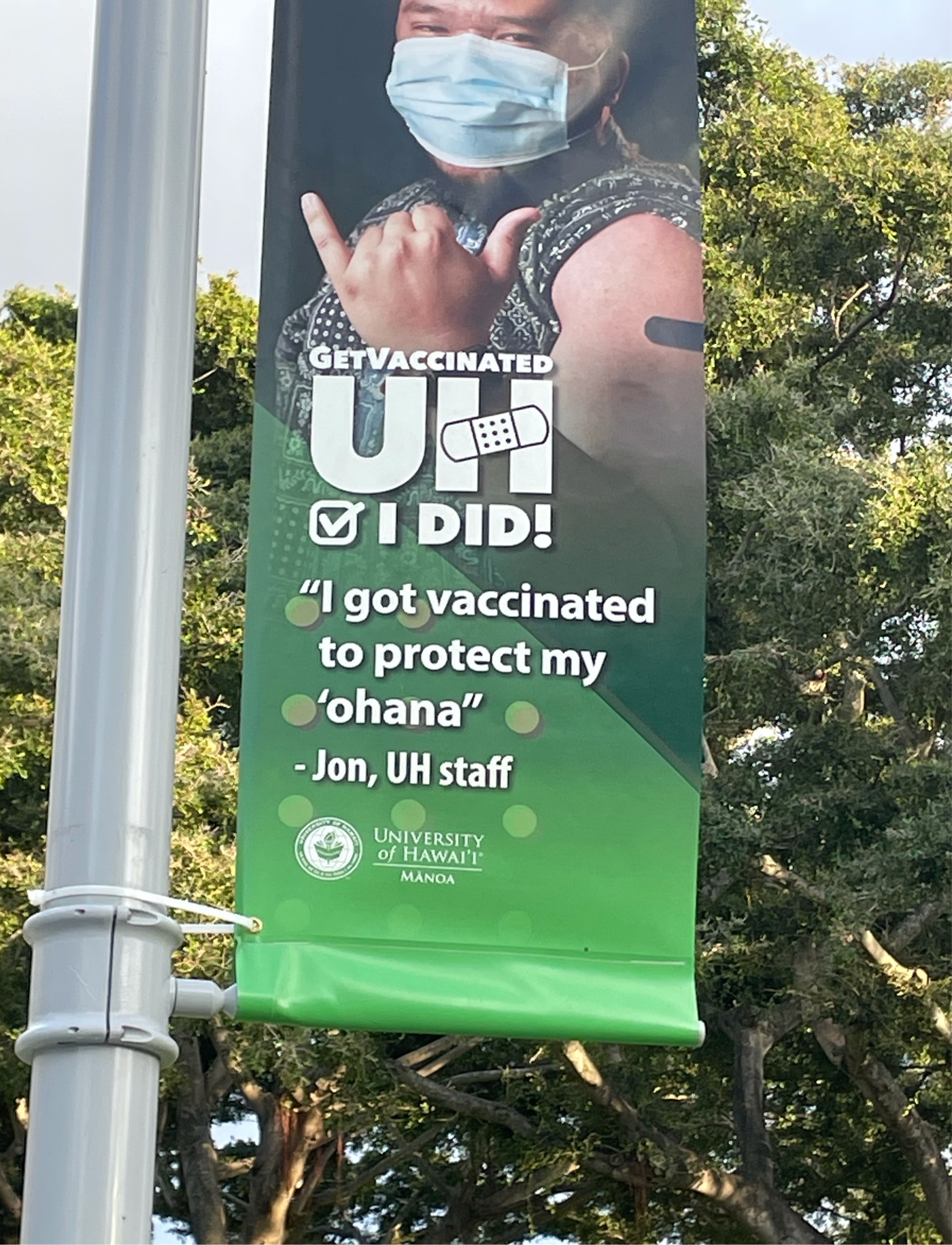
(SP)(check in #3) This is a semi permanent canvas sign found on the UH Manoa campus, in the domain of student life/education/public health. It contains only one Hawaiian word, 'ohana (family), which is seamlessly incorporated into an English sentence. Though this word is extremely well known and likely to be understood by students from outside Hawai'i, the use of this word, when combined with the picture of a UH staff member who looks either native Hawaiian or at least Local & racially ambiguous, is meant to tug at the heart strings of Local students. They may see the word 'ohana and immediately think of their own unique Local family, and this may encourage those who haven’t yet to go and get vaccinated.
|
Multilingual Hawaiʻi
|
|
|
27088
|
|
United States
Honolulu
|
|
|
—
|
Multilingual Hawaiʻi
|
|

|
46032
|
|
ʻAmelika Hui Pū ʻIa
Honolulu
|
|
|
HK - This is a little product that I found in Foodland near the tourist gear/touristy items that they would buy section. This is one of their perfumes/mists products that I found. I never tried it personally myself but I can get the gist of the mist. With Heʻohu ke aloha” it can be translated as “love is like the mist.” I think that this might be a stretch of meaning, but Hawaiian can have multiple meanings and metaphors. Breaking the Hawaiian down would be, “a mist the love” although this is a rough translation. And not a perfect English, Hawaiian canʻt be translated directly to English because it wonʻt work.
|
Multilingual Hawaiʻi
|
|
|
26833
|
|
United States
Honolulu
|
|
|
—
|
Multilingual Hawaiʻi
|
|
|
27089
|
|
United States
Honolulu
|
|
|
—
|
Multilingual Hawaiʻi
|
|
|
46033
|
|
ʻAmelika Hui Pū ʻIa
Honolulu
|
|
|
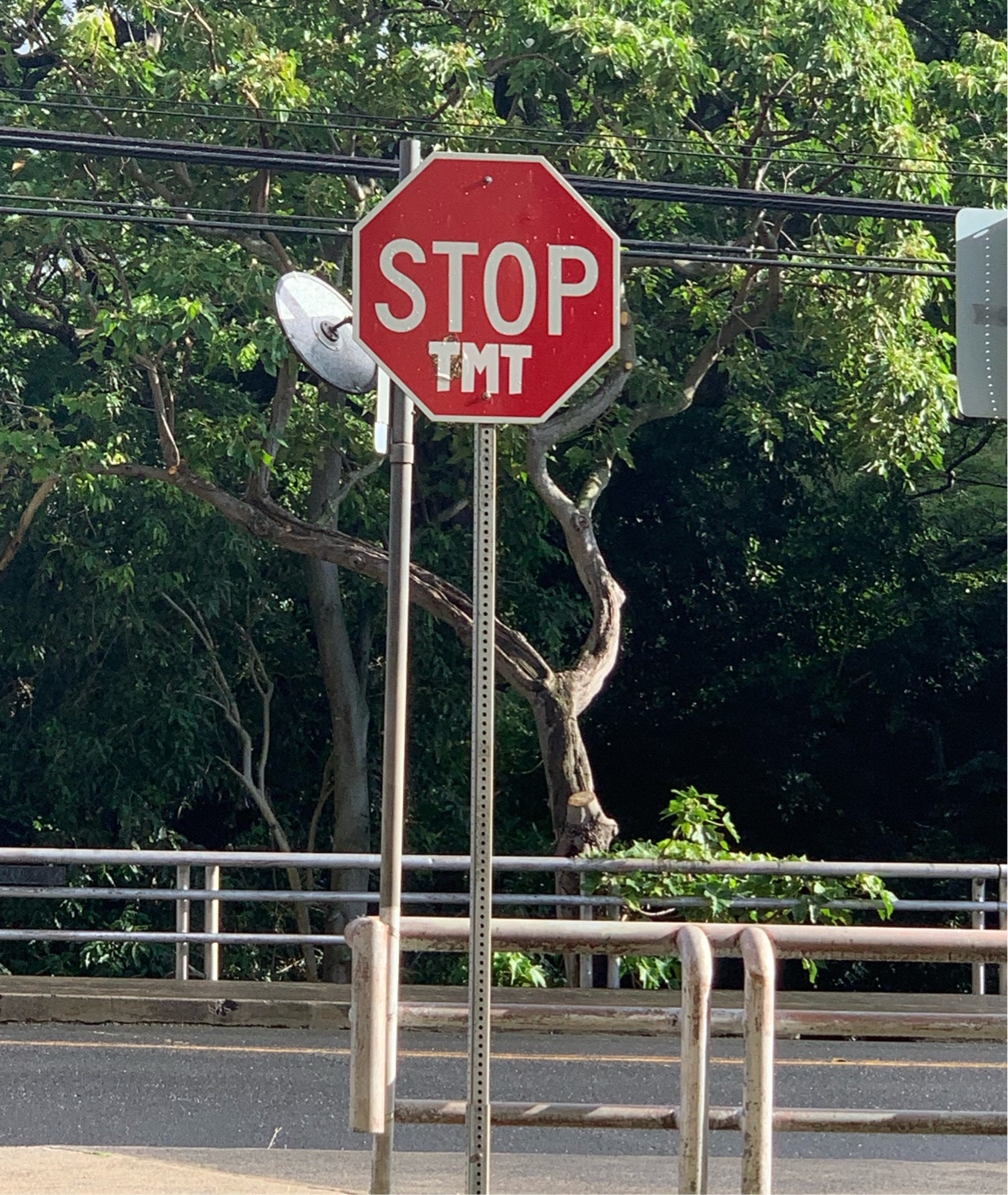
HK - This is a stop sign on Dole Street, on the side road that enters the dorms. “STOP TMT” is referring to Mauna Kea and the 30-meter telescope. This is a clear protest to stopping the construction of the telescope on Maunakea which has been a long-time protest for the Hawaiians since 2019. This is probably made by a supporter of Maunakea. This is a huge concern within the Hawaiian Community because Maunakea is a sacred place and should not be disgraced by people who just walk on it. It is an ideal place to build the telescope but already Maunakea has been desecrated by other telescopes, and Hawaiians will not stand for this any longer.
|
Multilingual Hawaiʻi
|
|
|
47313
|
|
United States
Honolulu
|
|
|
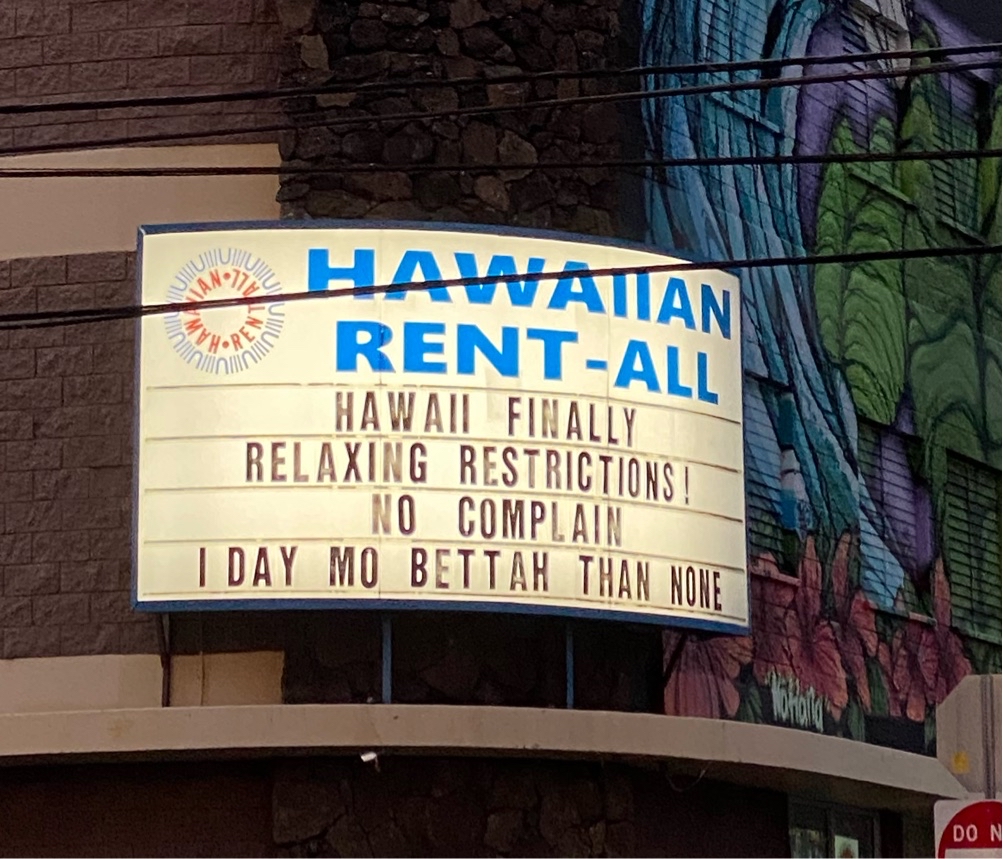
AJR - EC This photo is of the billboard on Hawaiian Rent-All; the owners of this company tend to change their announcements every now and then and this was after the COVID-19 regulations were changed following December 1st. The intended audience can be perceived to be locals as the context of the billboard pertain to the sentiments that many locals share regarding the pandemic
|
Multilingual Hawaiʻi
|
|
|
27090
|
|
United States
Honolulu
|
|
|
—
|
Multilingual Hawaiʻi
|
|
|
46034
|
|
ʻAmelika Hui Pū ʻIa
Honolulu
|
|
|
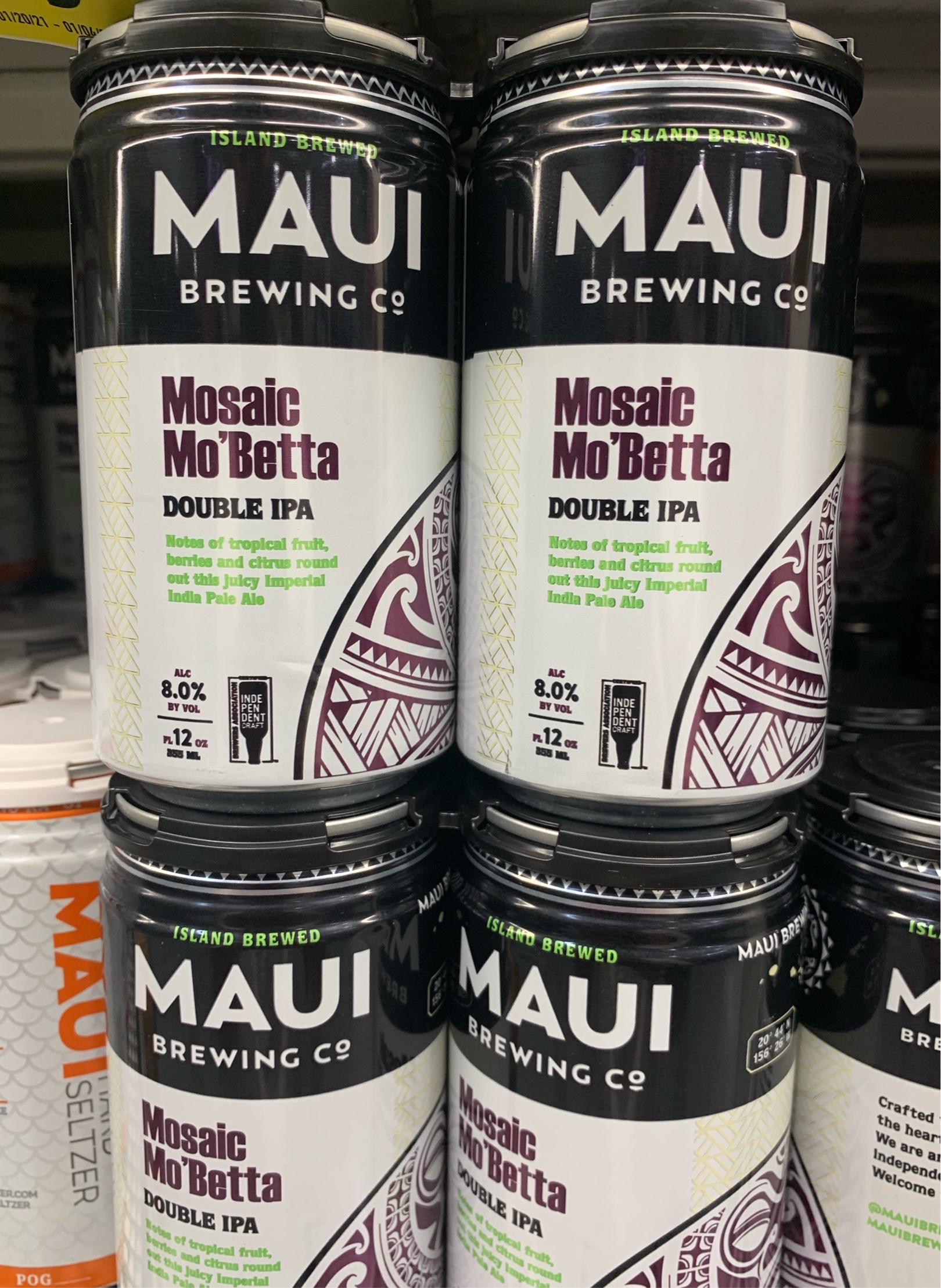
HK - Maui Brewing Co is a company that has multiple breweries around Hawaiʻi with Maui being the birthplace of it. I don't personally drink but I do see these cans around supermarkets all over Hawaiʻi. I found this case in Foodland where the flavor of the can catch my eye. “Mosaic MoʻBetta”. This is a clear use of pidgin as naming and branding being used. Mosaic the tropical and citrus taste of it, Moʻbetta is emphasizing that this beer is more better when itʻs Maui Brewing Coʻs. I find it awesome that local is doing well where it can sell multiple cases to big stores or shops. Especially the target audience is locals. Do you think that this is also doing justice to the use of Pidgin in stores?
|
Multilingual Hawaiʻi
|
|
|
26835
|
|
United States
Honolulu
|
|
|
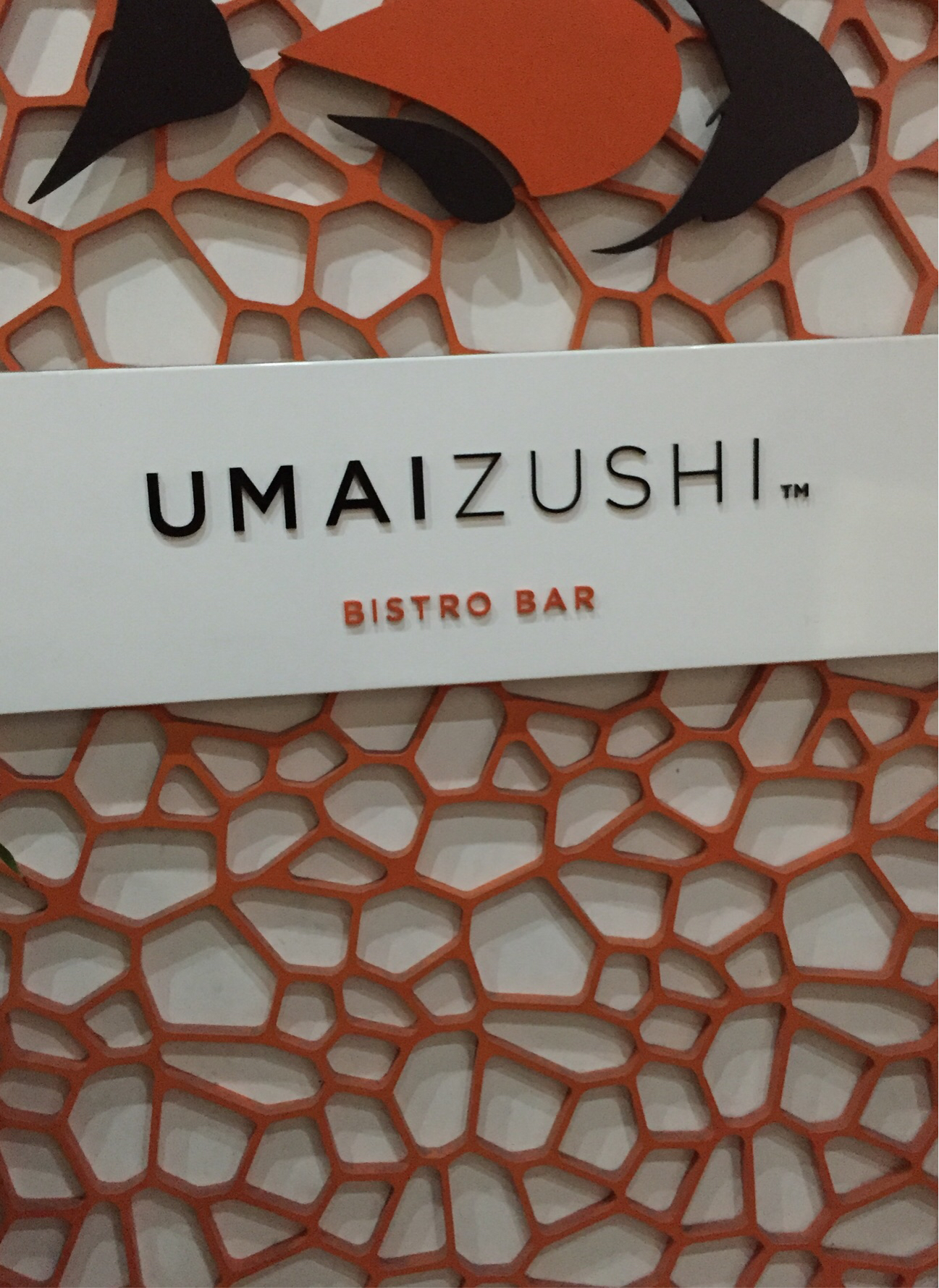
Outside of Japan it’s hard to find this spelling of sushi since it’s not recognizable by non-Japanese speakers
|
Multilingual Hawaiʻi
|
|
|
27091
|
|
United States
Honolulu
|
|
|
—
|
Multilingual Hawaiʻi
|
|
|
46035
|
|
ʻAmelika Hui Pū ʻIa
Honolulu
|
|
|
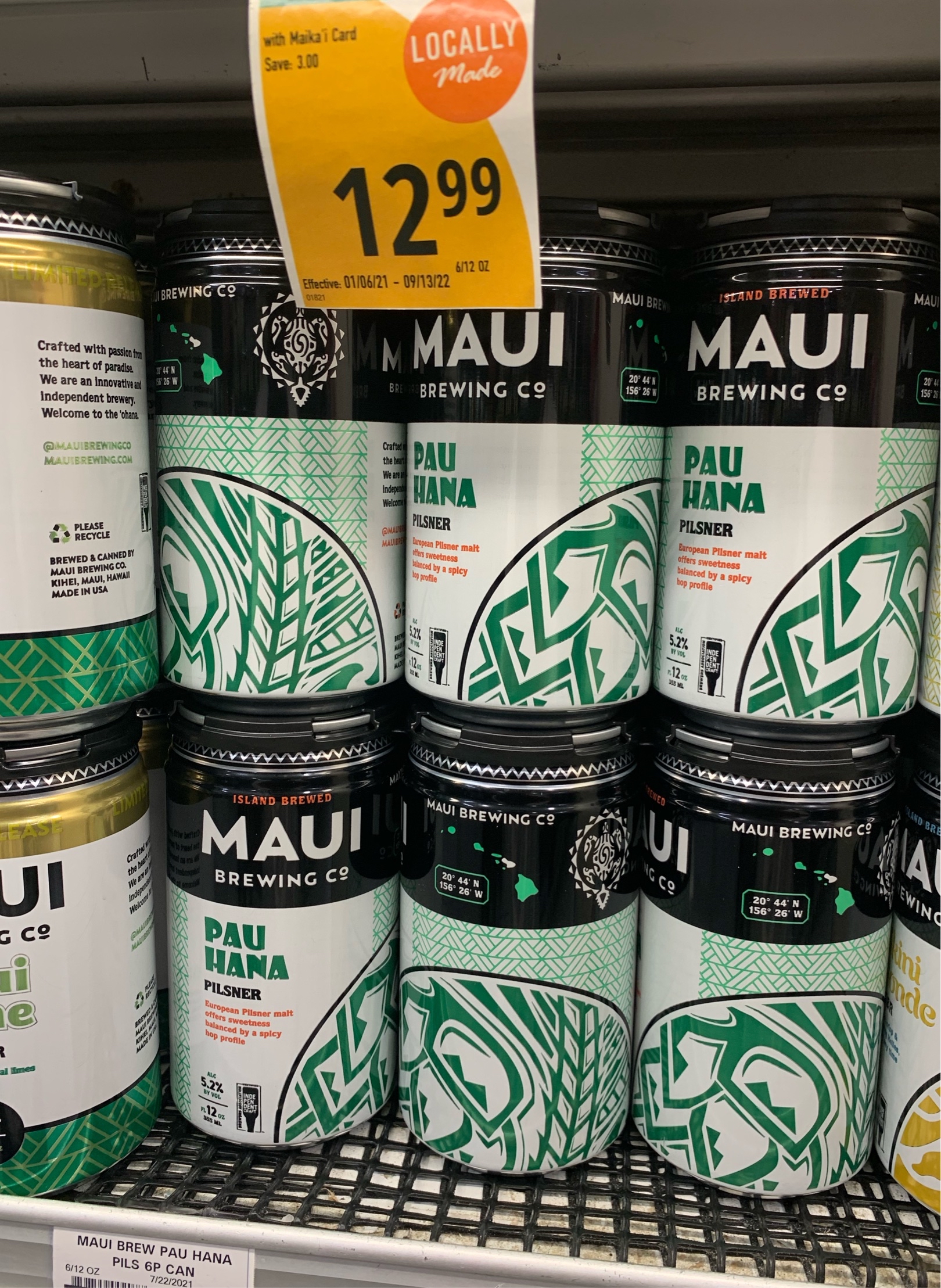
HK - This is another example of pidgin being used by the same local company. I found this at Foodland as well. Pau Hana is saying finished or done work. A simple saying but a huge relief for some people and why not take a cold one to celebrate the occasion of being finished from a long day of work that only locals could understand.
|
Multilingual Hawaiʻi
|
|
|
46547
|
|
United States
Honolulu
|
|
|
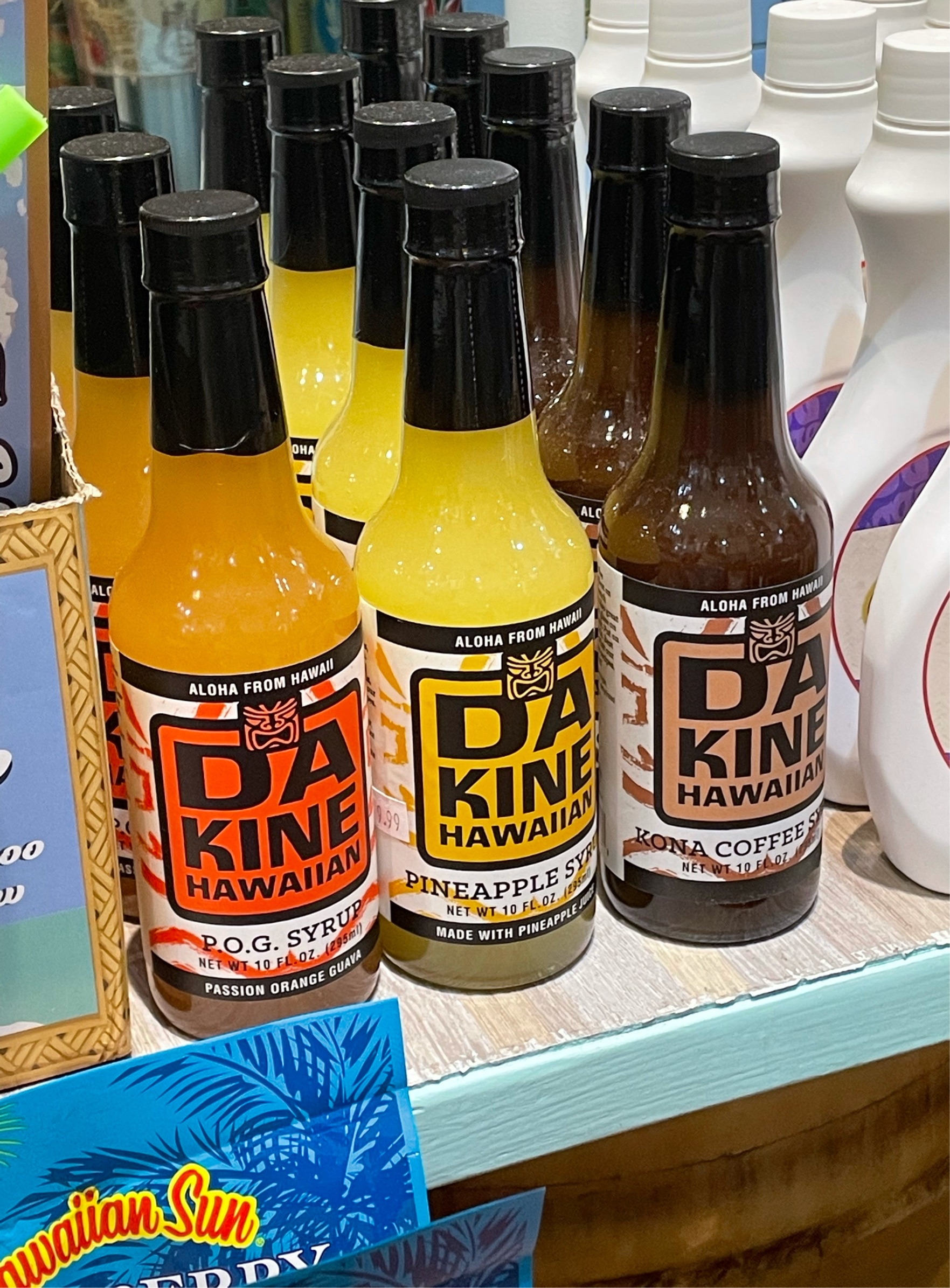
(SP) (check in #3) this is a photo of Pidgin being used on the label of flavored syrups, in the domain of commodification. These were found in a tourist-y shop with many instances of Hawaiian and Pidgin language being commodified to sell more products. Here, Pidgin is used in the brand name of the company, likely to appeal to tourists who might want to know more about this phrase, while also staying familiar with Locals. According their website, this company uses Da Kine to mean “the one” or “the best”, and that may be the how they sway the thinking of their Local customers. Judging by the designs, logo, and language used on these bottles, this brand clearly wanted to push their “Hawaiian” authenticity, perhaps to encourage tourists to buy their products to show off back at home or order their products online.
|
Multilingual Hawaiʻi
|
|
|
27092
|
|
United States
Honolulu
|
|
|
—
|
Multilingual Hawaiʻi
|
|
|
46036
|
|
ʻAmelika Hui Pū ʻIa
Honolulu
|
|
|
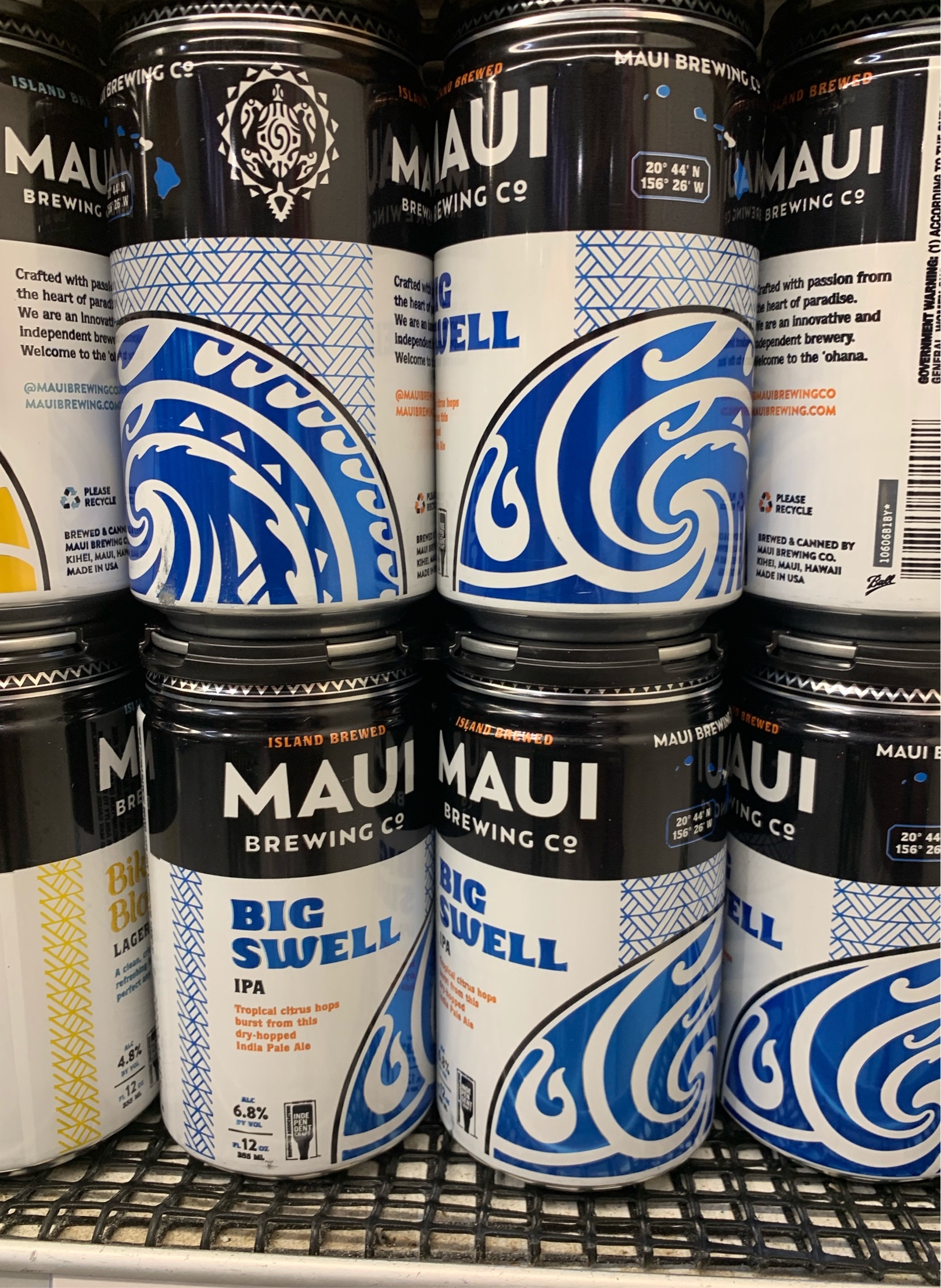
HK - This is another example of pidgin being used by the same local company. I found this at Foodland as well. Big Swell would normally refer to the waves of the ocean being picked up and it's producing some good waves to surf on. Big swell in the metaphorical way of drinking could mean, a big drunk or a swell of good beer is coming when you drink this. This may just refer to some surfers or targeted people who like to chill and relax, but locals nonetheless.
|
Multilingual Hawaiʻi
|
|
 Lingscape