|
ID |
Nickname |
Country / City |
Languages |
Taxonomies |
Comment |
Project / Group |
Map |
|
59567
|
|
United States
Honolulu
|
|
|
This s
|
Multilingual Hawaiʻi
|
|
|
43952
|
|
United States
Honolulu
|
|
|
SU
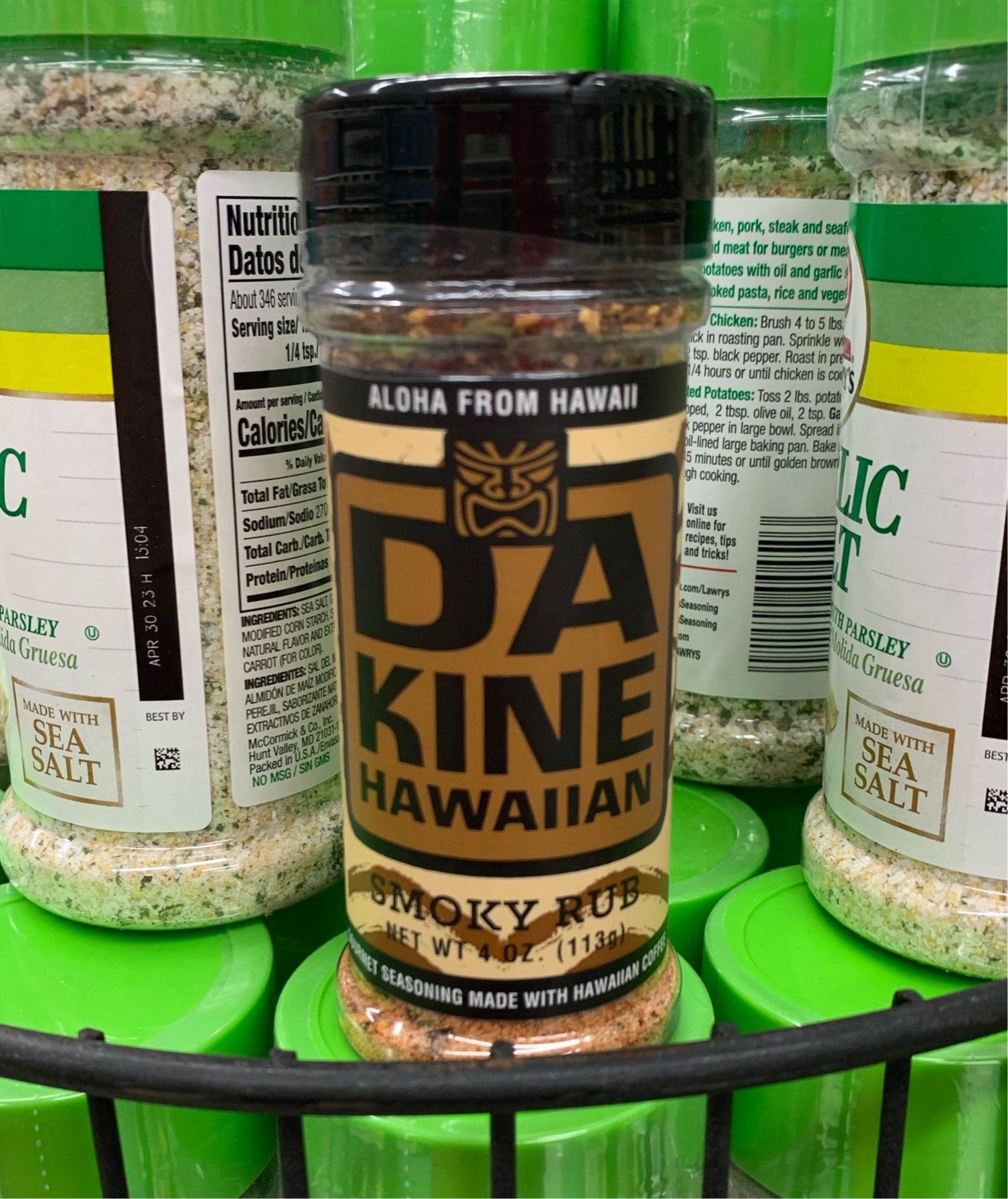
- medium: The sign is printed on a bottle of seasoning.
- domain: The context of this sign is that it is a seasoning with smoky rub in it (smoked paprika).
- audience: This sign is intended for the public in general. Anyone who is in the store passing this seasoning or buying it. Intended for local and nonlocal.
- function: This sign is trying to tell you that it is made in Hawai’i as it says at the top “aloha from Hawai’i”.
- language: The language that is dominant on this sign is Pidgin or HWC with some Hawaiian and English.
The phrase “da kine” means “the kind” when it is roughly translated and it is similar to the Pidgin expression “any kine” which means “any kind”. It is usually used when you can’t put your finger on what you’re trying to say. For example, “Um…da kine, he went to the grocery store already.”, “She wen go mess up my da kine.”, “He’s so da kine.”
|
Multilingual Hawaiʻi
|
|
|
43953
|
|
United States
Honolulu
|
|
|
SU
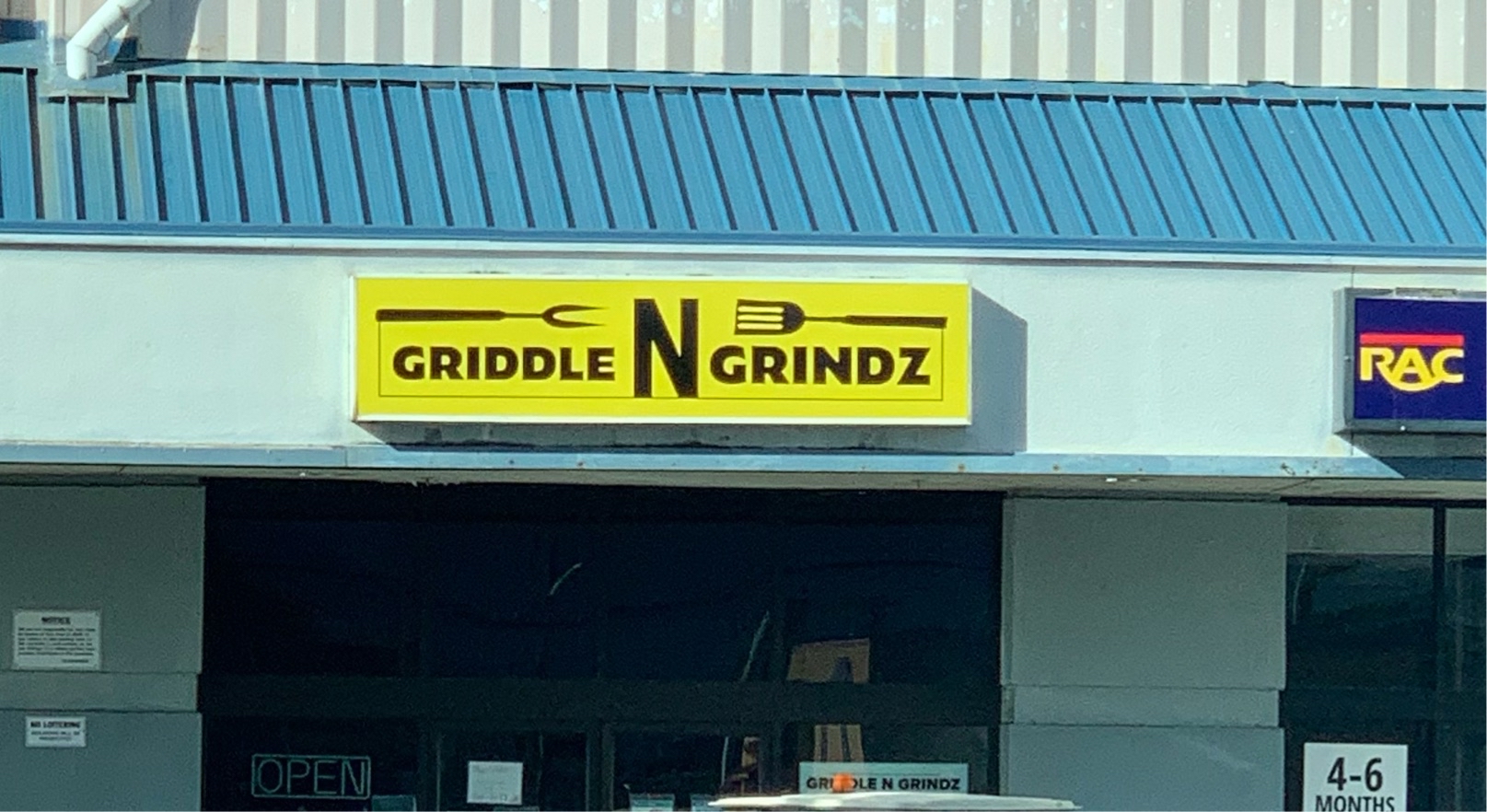
- medium: The sign is printed on a light up sign above the restaurant.
- domain: The context of this sign is that Griddle N Grindz is a Korean BBQ restaurant that serves plate lunches.
- audience: This sign is intended for people who are passing through the area, for locals and nonlocals.
- function: The sign is trying to inform people about the restaurant as they pass by and catch their attention enough to make them want to try their food.
- language: The language that is dominant on this sign is Pidgin or HWC, “Grindz” with a little English, “Griddle”.
The word “grindz” is translated to “food” in Pidgin.
|
Multilingual Hawaiʻi
|
|
|
43954
|
|
United States
Honolulu
|
|
|
SU
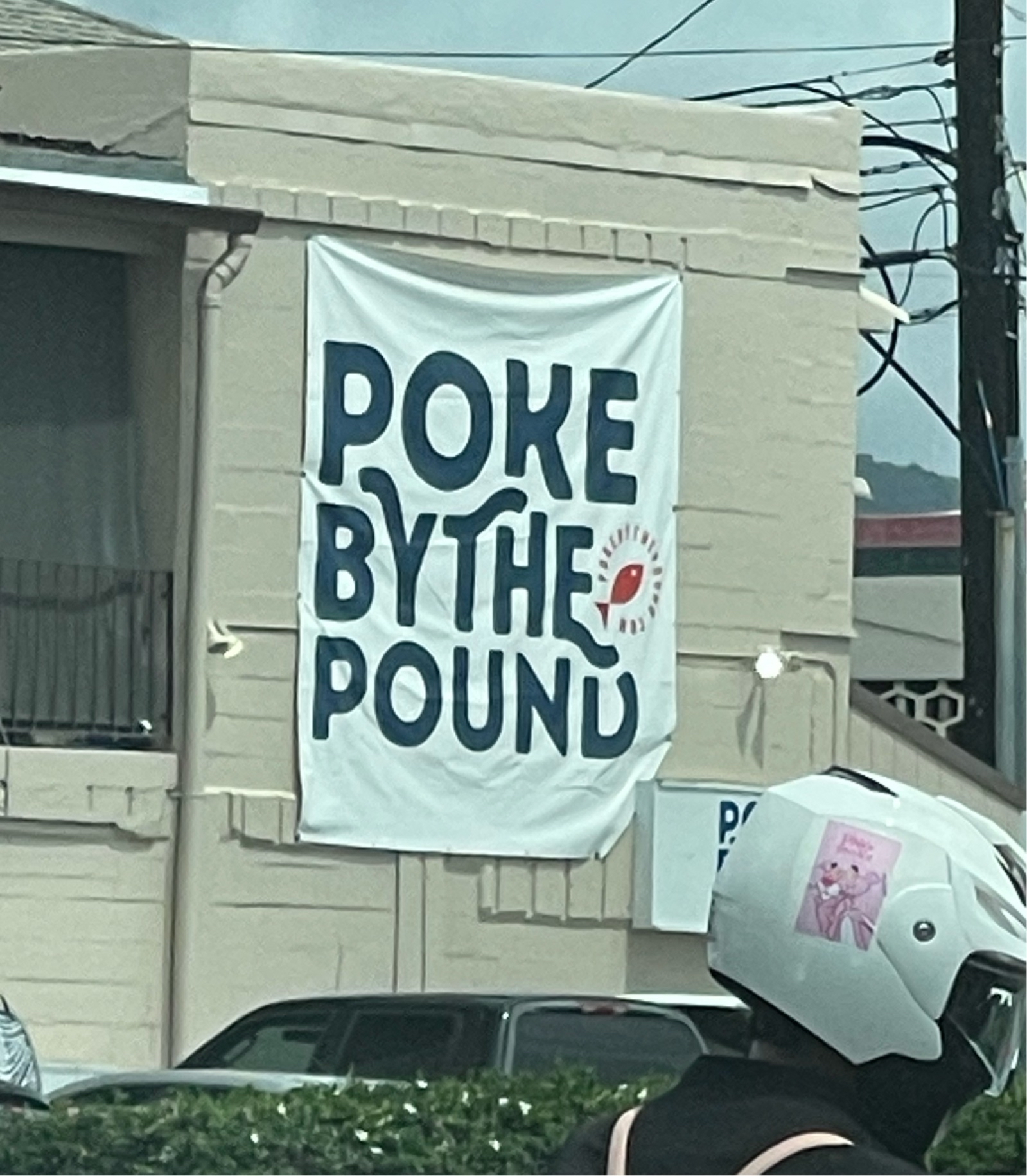
- medium: The sign is printed on a piece of cloth on the front of a building.
- domain: The context of the sign is that Poke by the Pound is a fresh poke and seafood market.
- audience: This sign is intended for people who are passing by this place and might not see the smaller sign that is behind the girl’s helmet in this photo. This sign is intended for locals and nonlocals.
- function: The sign is trying to inform people about the seafood market and get them intrigued in trying the poke.
- language: The language that is dominant on this sign is English, “by the pound” with a little Pidgin, “poke”.
The word “poke” can be a Pidgin term that means to slice, or cut, wood or fish into crosswise pieces and is often used to describe sliced, or cubed, fish that is ready for consumption.
|
Multilingual Hawaiʻi
|
|
|
149433
|
Grace Rennie
|
United States
Honolulu
|
|
|
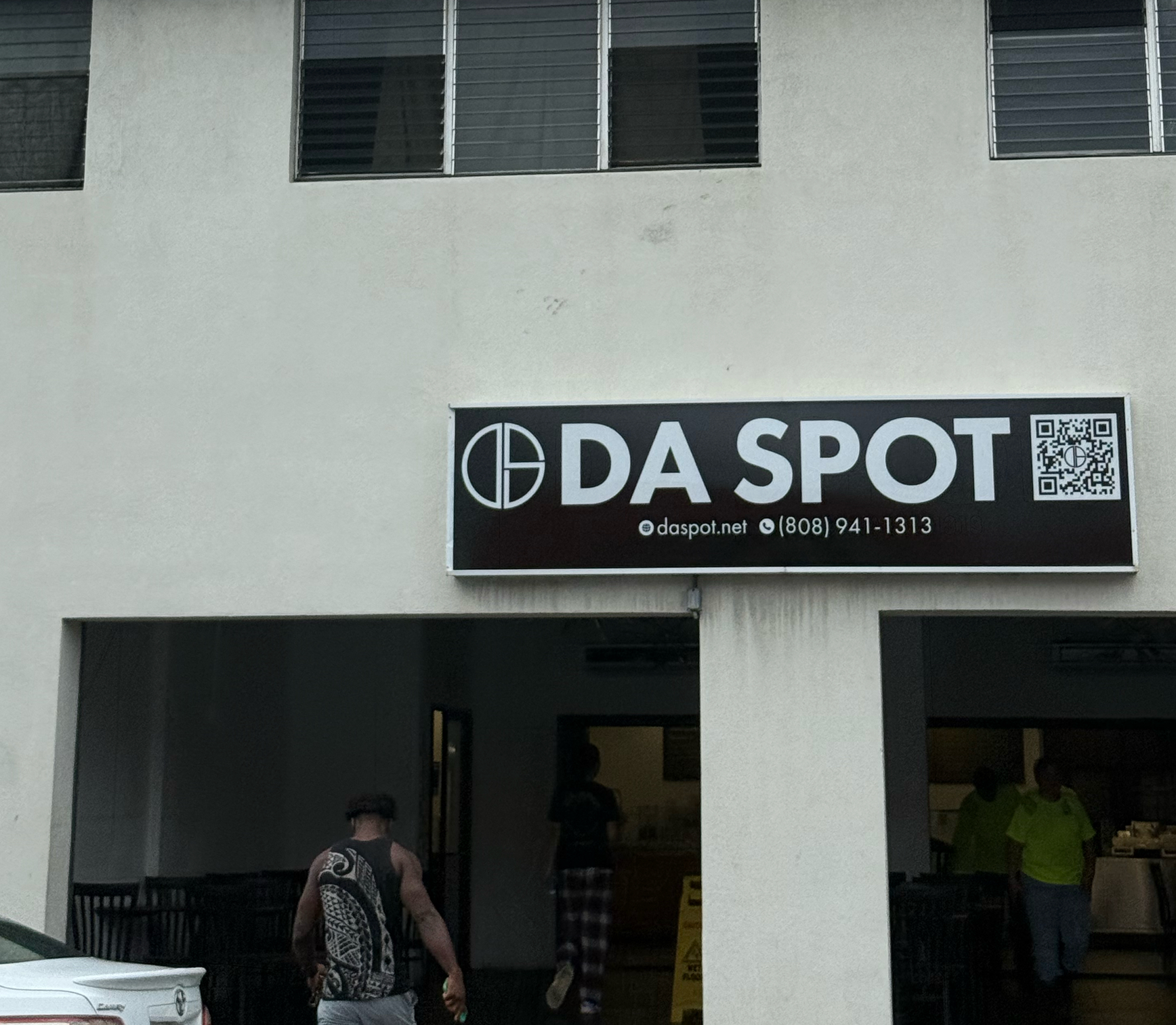
English, but the name “Da Spot” reflects pidgin influence.
|
Multilingual Hawaiʻi
|
|
|
149434
|
Grace Rennie
|
United States
Honolulu
|
|
|
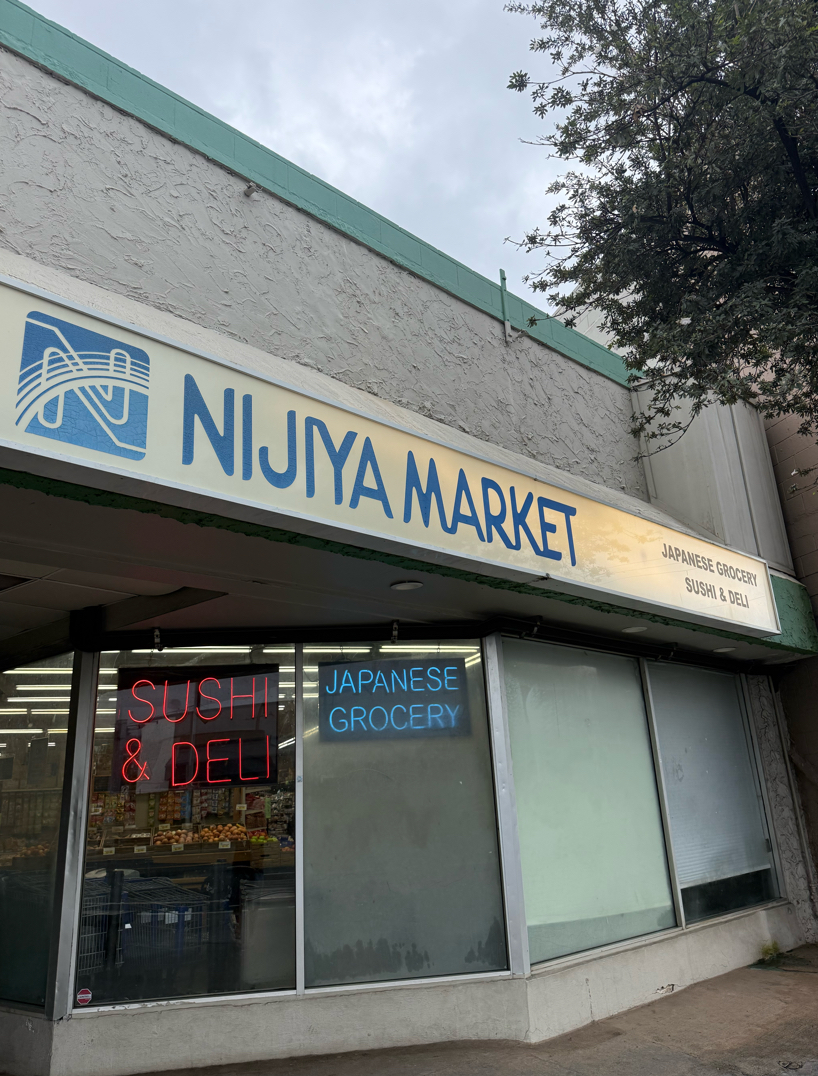
English and Japanese
|
Multilingual Hawaiʻi
|
|
|
149435
|
Grace Rennie
|
United States
Honolulu
|
|
|
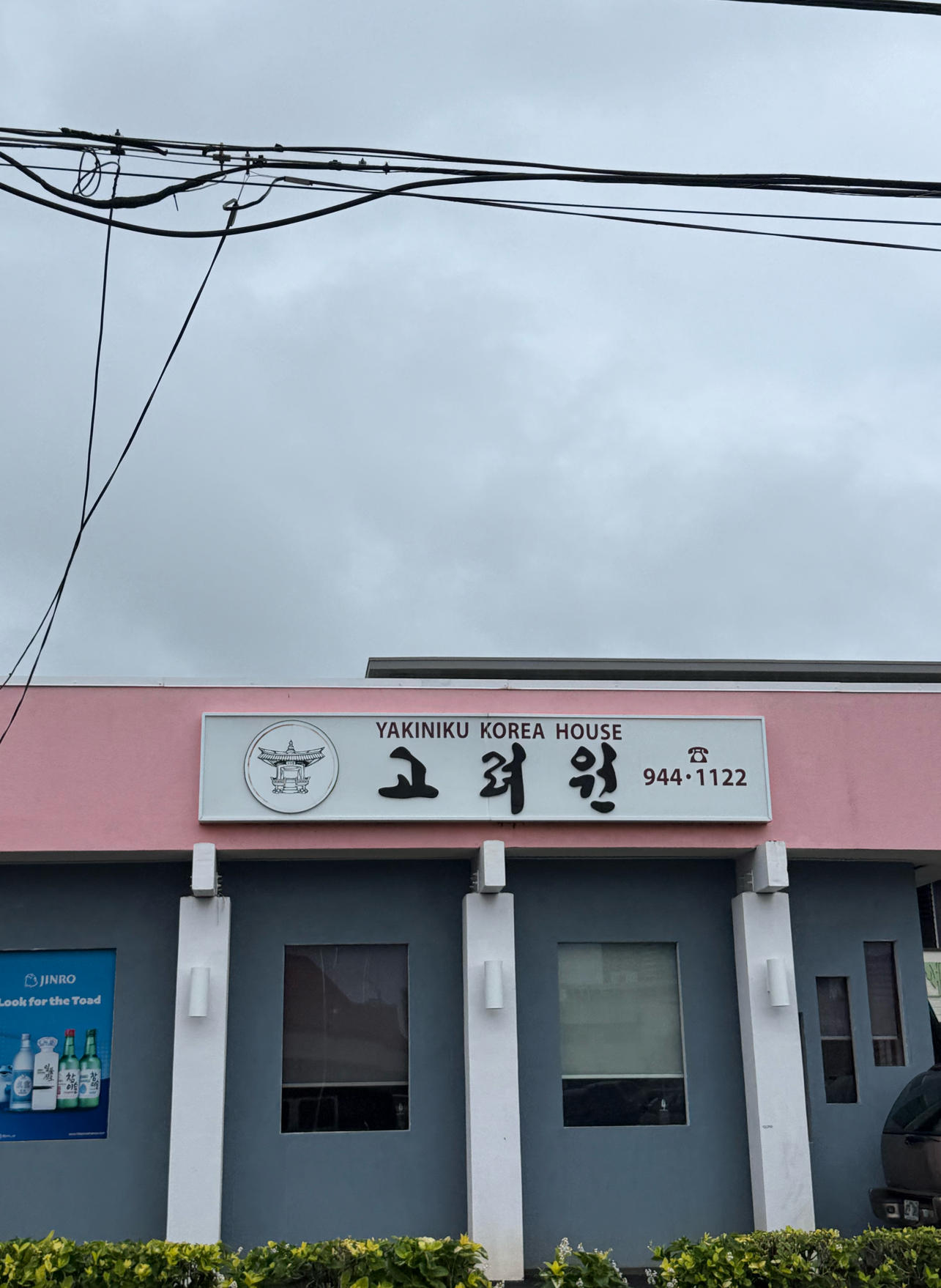
English and Korean
|
Multilingual Hawaiʻi
|
|
|
25787
|
|
United States
Honolulu
|
|
|
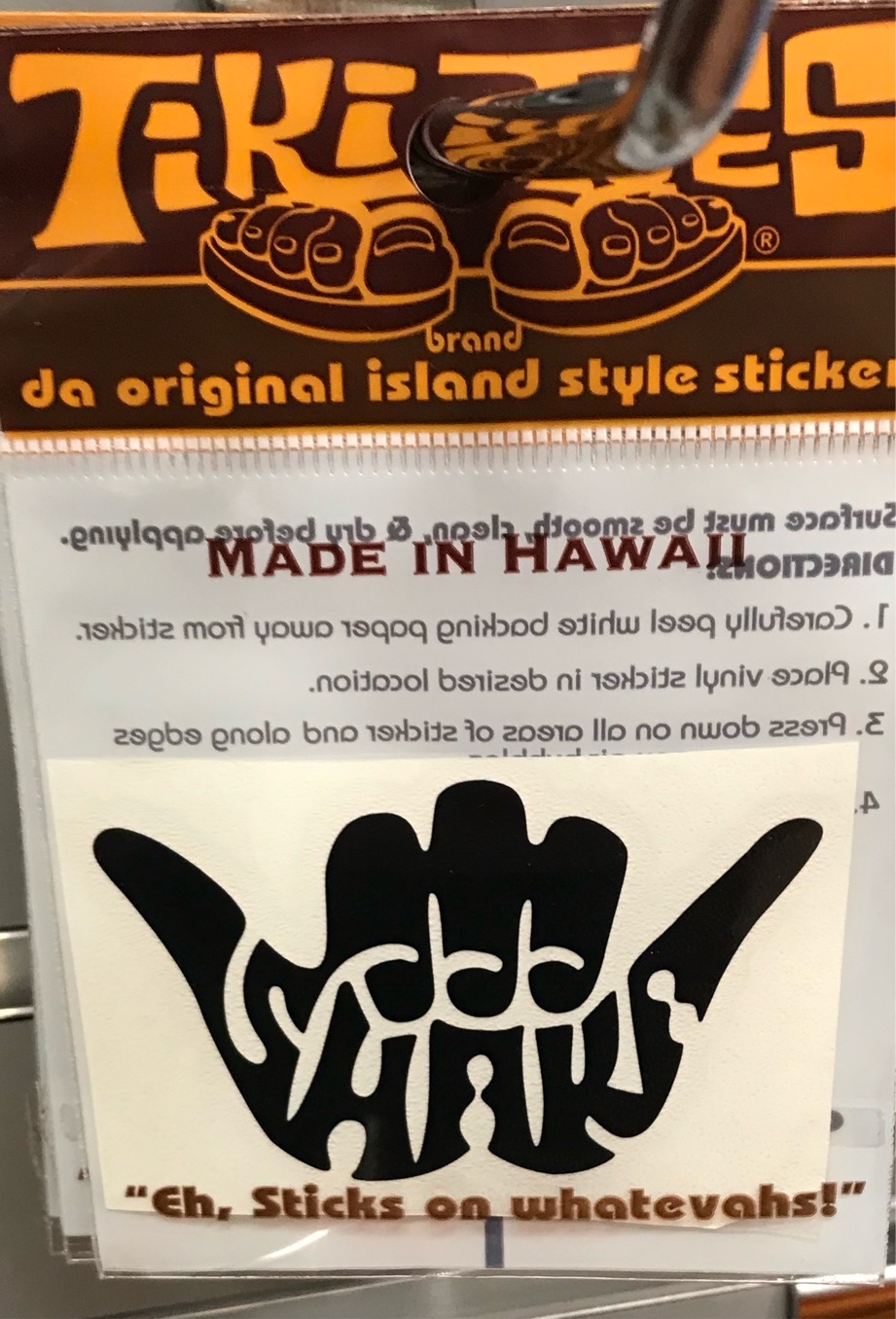
“EH, sticks on whatevahs” means “it sticks on whatever (anything)”. It sounds authentic but is more aimed at tourists, so it is synthetic.
|
Multilingual Hawaiʻi
|
|
|
26813
|
|
United States
Honolulu
|
|
|
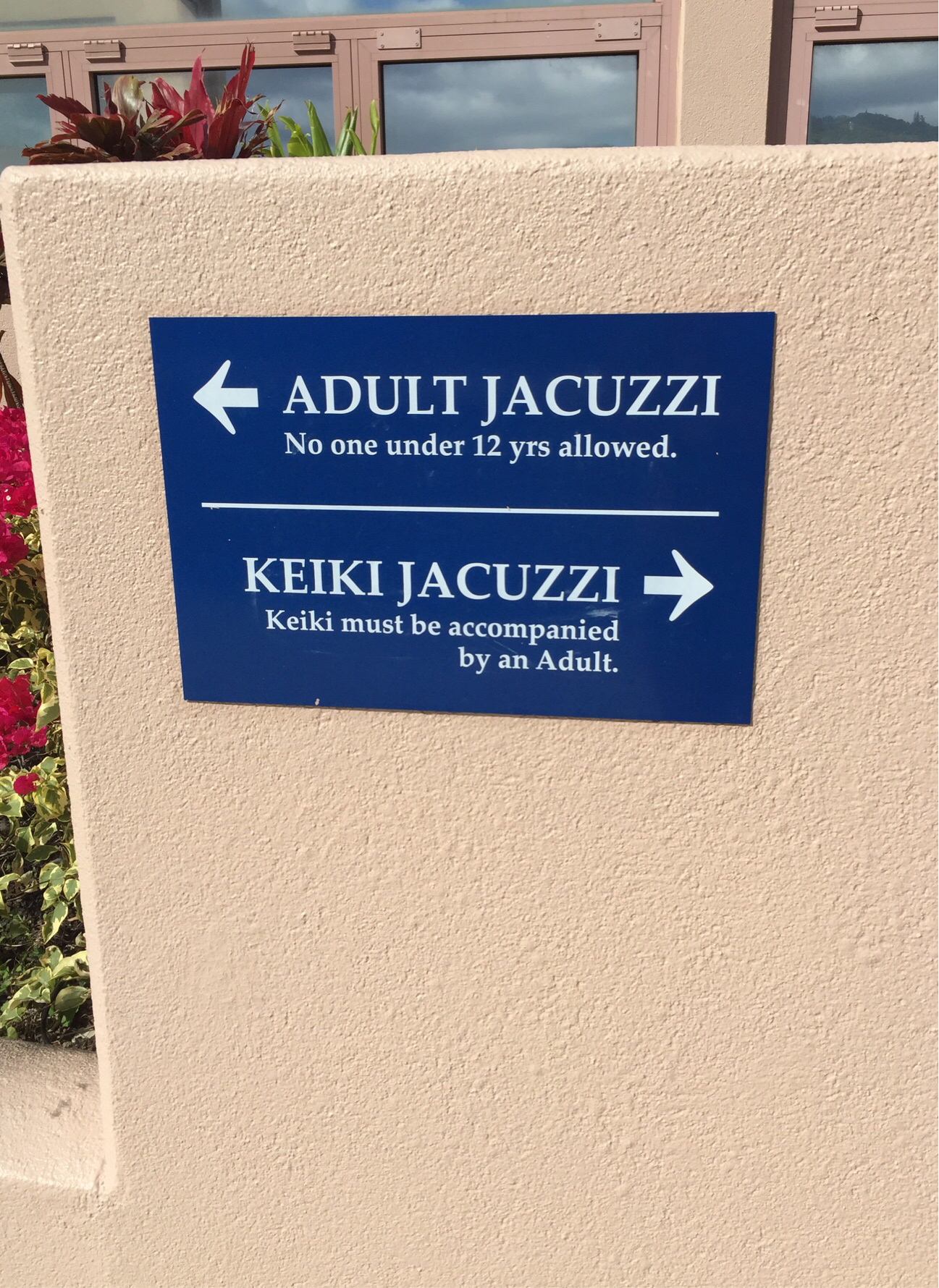
An unusual site in Hawaii, child jacuzzi
|
|
|
|
47807
|
|
United States
Honolulu
|
|
|
—
|
Multilingual Hawaiʻi
|
|
|
134336
|
|
United States
Honolulu
|
|
|
—
|
|
|

|
47300
|
|
United States
Honolulu
|
|
|
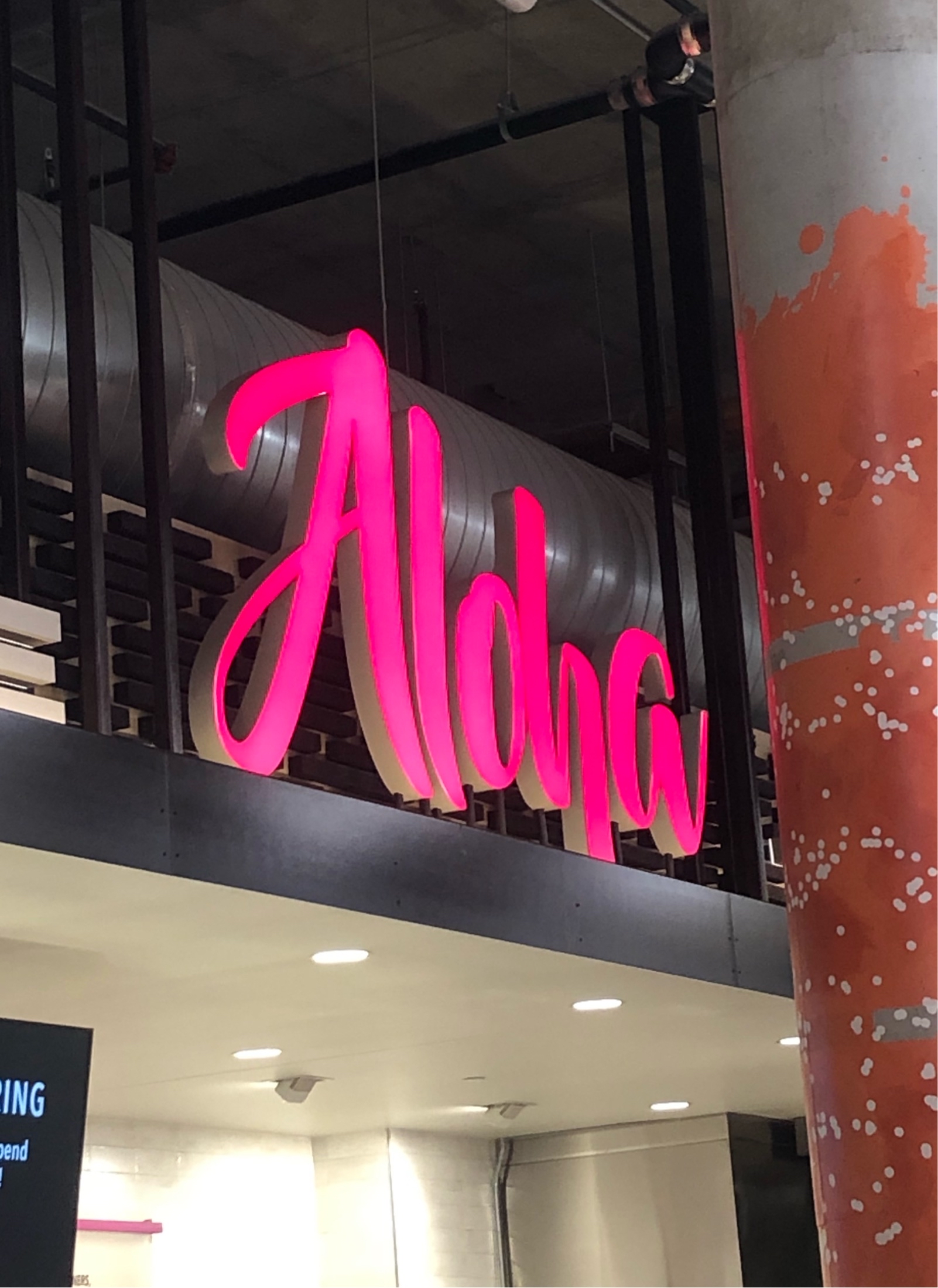
GM EXTRA CREDIT- I took this photo on the bus passing by going to Ala Moana mall. This is a beautiful moral stating “greetings aloha from Waikiki” which I would assume that someone local painted because they added quite a lot of detail ( even in the letters they added all the popular places/things in general around Waikiki). I bet lots of tourists love this moral to take pictures and to post on social media.
|
Multilingual Hawaiʻi
|
|
|
47301
|
|
United States
Honolulu
|
|
|
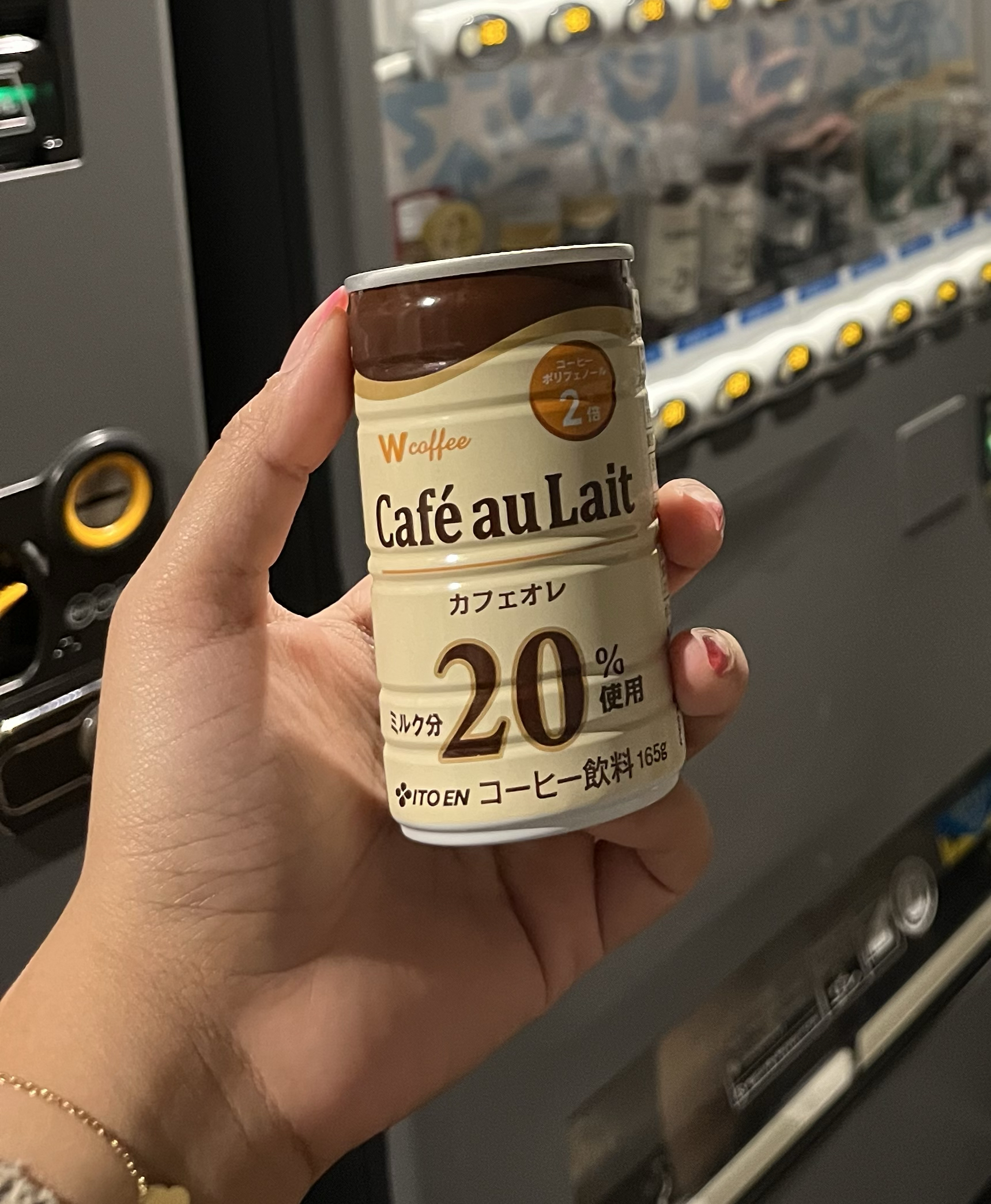
GM EXTRA CREDIT This aloha sign was in whole foods - in the food/deli area. I'm not quite sure why they have the word aloha just kind of floading in the deli because it doesn't really correlate to anything. This makes me think about how the word aloha is overused and that they just put it anywhere and everywhere.
|
Multilingual Hawaiʻi
|
|
|
134342
|
charrr
|
United States
Honolulu
|
|
|
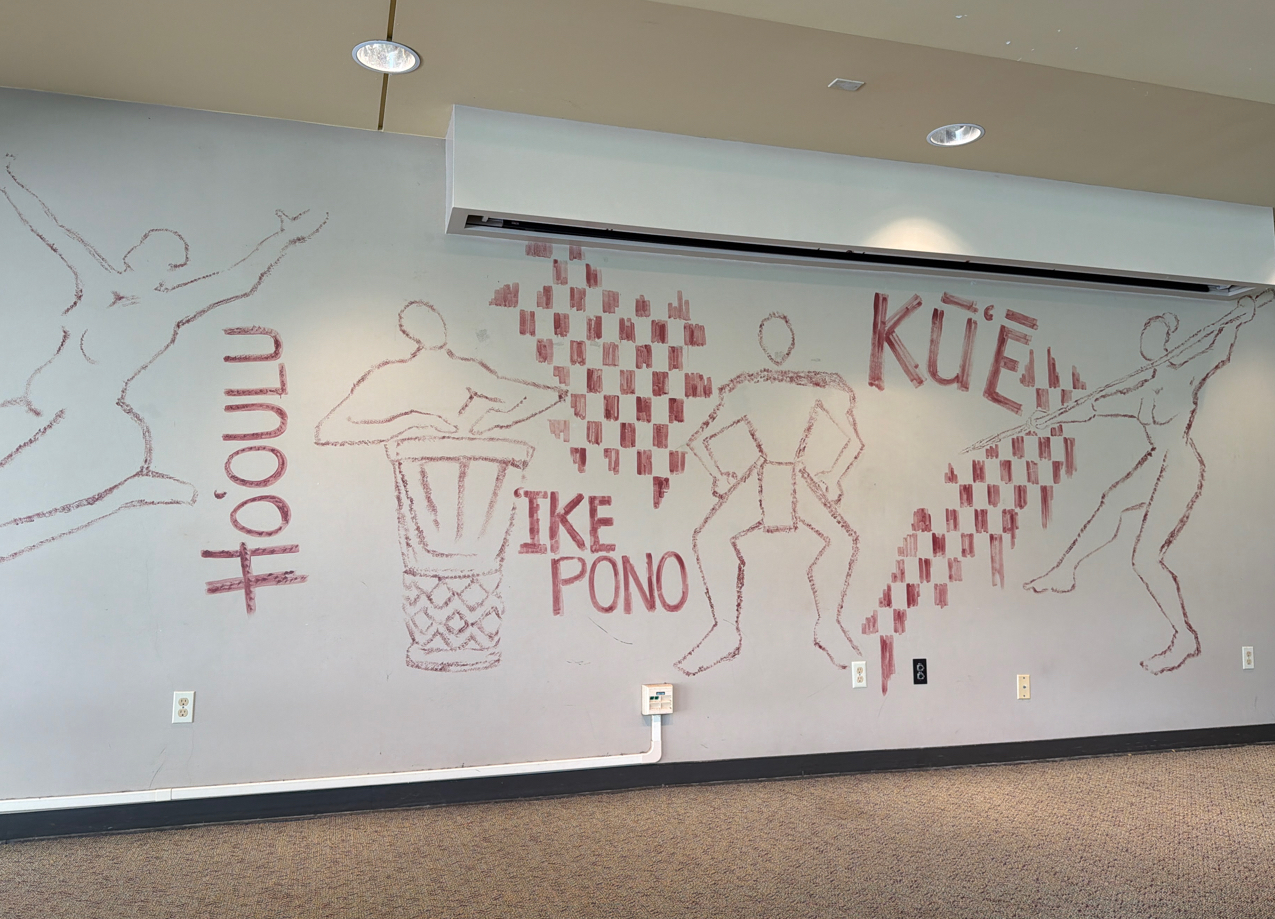
Encountering a Japanese vending machine, I noticed that it had both Japanese and English on it. Noticing that it had both scripts, it made me realize how ingrained multilingualism is to our state and island. Not only does this serve the local community, but for tourists who can enjoy a bit of their culture here. Seeing just how often and frequently it is to have both Japanese and English script, and basically how normalized it is to have multiple languages in this state, made me aware of how this our public language and how valuable it is to create an inclusive, multilingual environment for everyone.
|
Multilingual Hawaiʻi
|
|
|
147910
|
remy
|
United States
Honolulu
|
|
|
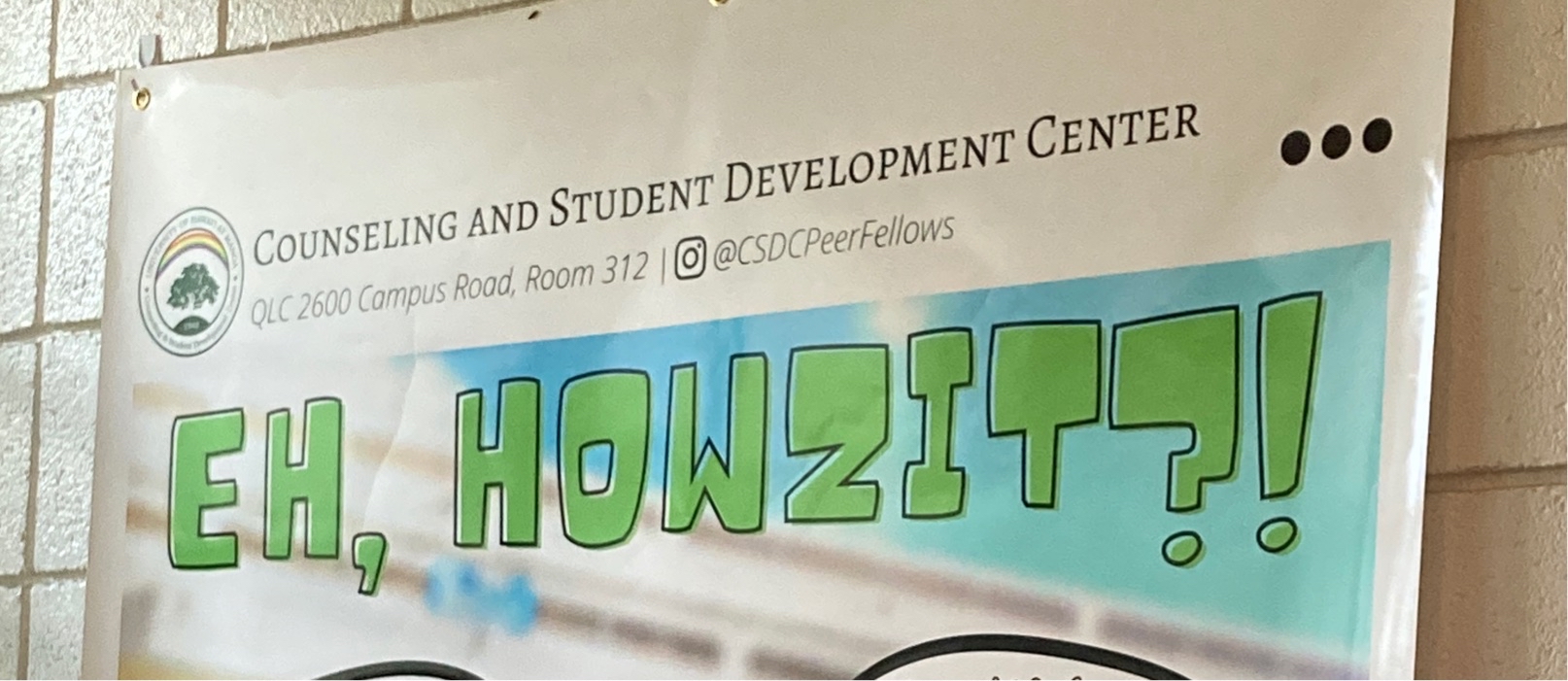
‘Ōlelo Hawai’i
|
Multilingual Hawaiʻi
|
|
|
43463
|
|
United States
Honolulu
|
|
|
The domain is a public sign advertising the student counselling services here at UH manoa. It is intended for students, which include both locals and non locals. -AB
|
|
|

|
47303
|
|
United States
Honolulu
|
|
|
GM EXTRA CREDIT- This poster was in one of the freshman towers. The poster says Ka Papa Lo’I ‘O Kānewai - on one of the pages of the history, it states that it is piko for Hawaiian knowledge at the University of Hawaii at Manoa sitting at the bottom of the slopes of Wa’ahila. I believe that they were trying to educate us students about the topic and just made this posted to get more information out about it!
|
Multilingual Hawaiʻi
|
|

|
47304
|
|
United States
Honolulu
|
|
|
GM EXTRA CREDIT I was passing and saw this which says Maluna A’e O na Lahui Apau Ke ola ke kanaka which means - I tried finding what it meant but I only found out that it might mean something about being UH’s the moto. It means “above all nations is humanity”. The UH website explained the meaning - there is a couple of motos that they explain. It was placed on a cement barrier/bench, it has been there for some time.
|
Multilingual Hawaiʻi
|
|
|
38346
|
|
United States
Honolulu
|
|
|
—
|
Multilingual Hawaiʻi
|
|
|
46538
|
|
United States
Honolulu
|
|
|
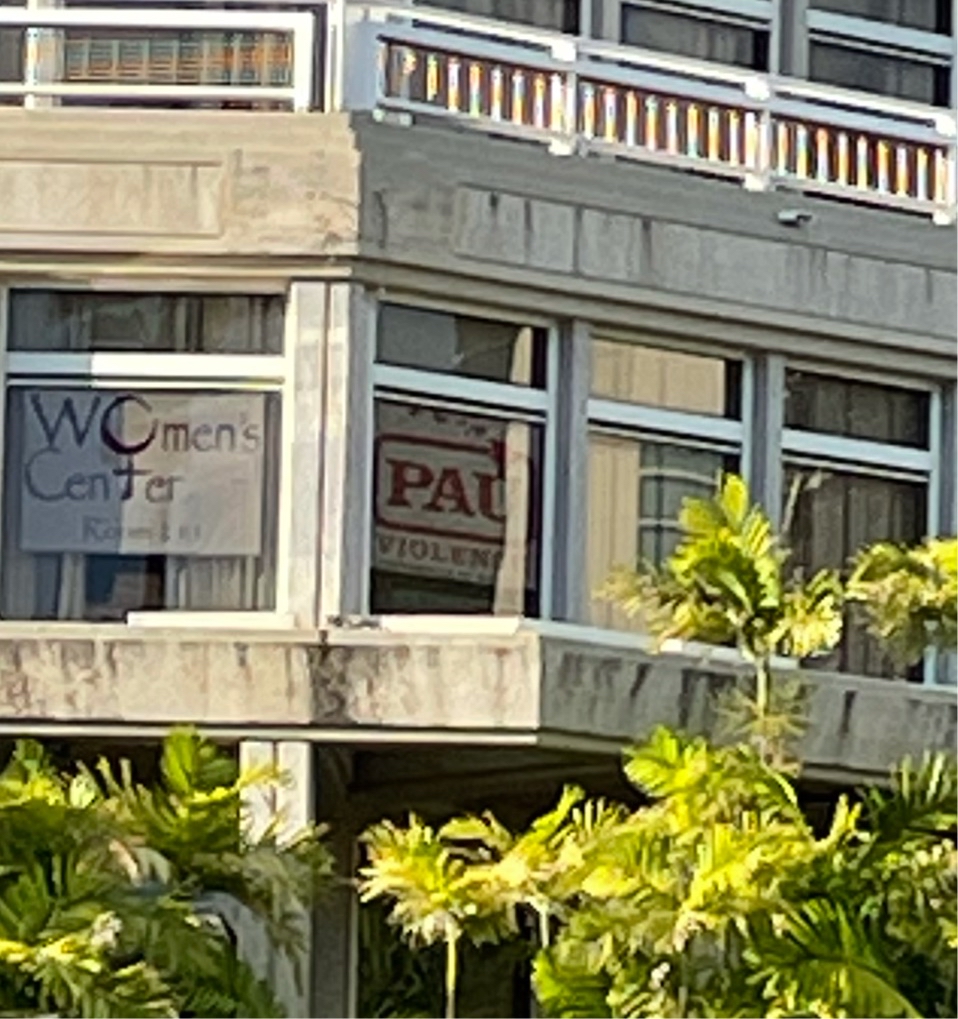
(SP) (Check in #3) though a bit hard to get a picture of, this is a semi-permanent vinyl window sign on a building on the UH Manoa campus, in the domain of student life/education. It uses the Pidgin word Pau (end, all gone) alongside the English word violence to express their views of getting rid of violence. It is also a pun, because PAU is an acronym for the on-campus organization to whom this sign belongs to. It seems they used Pidgin here to help the organization feel connected to Local students and to the school, maybe to encourage students to feel closer to the organization and reach out if they need help. The Pidgin is in huge letters compared to the English to emphasize their goal (to end violence) and because it is the name of the organization.
|
Multilingual Hawaiʻi
|
|
 Lingscape