|
ID |
Nickname |
Country / City |
Languages |
Taxonomies |
Comment |
Project / Group |
Map |
|
42490
|
|
United States
Honolulu
|
|
|
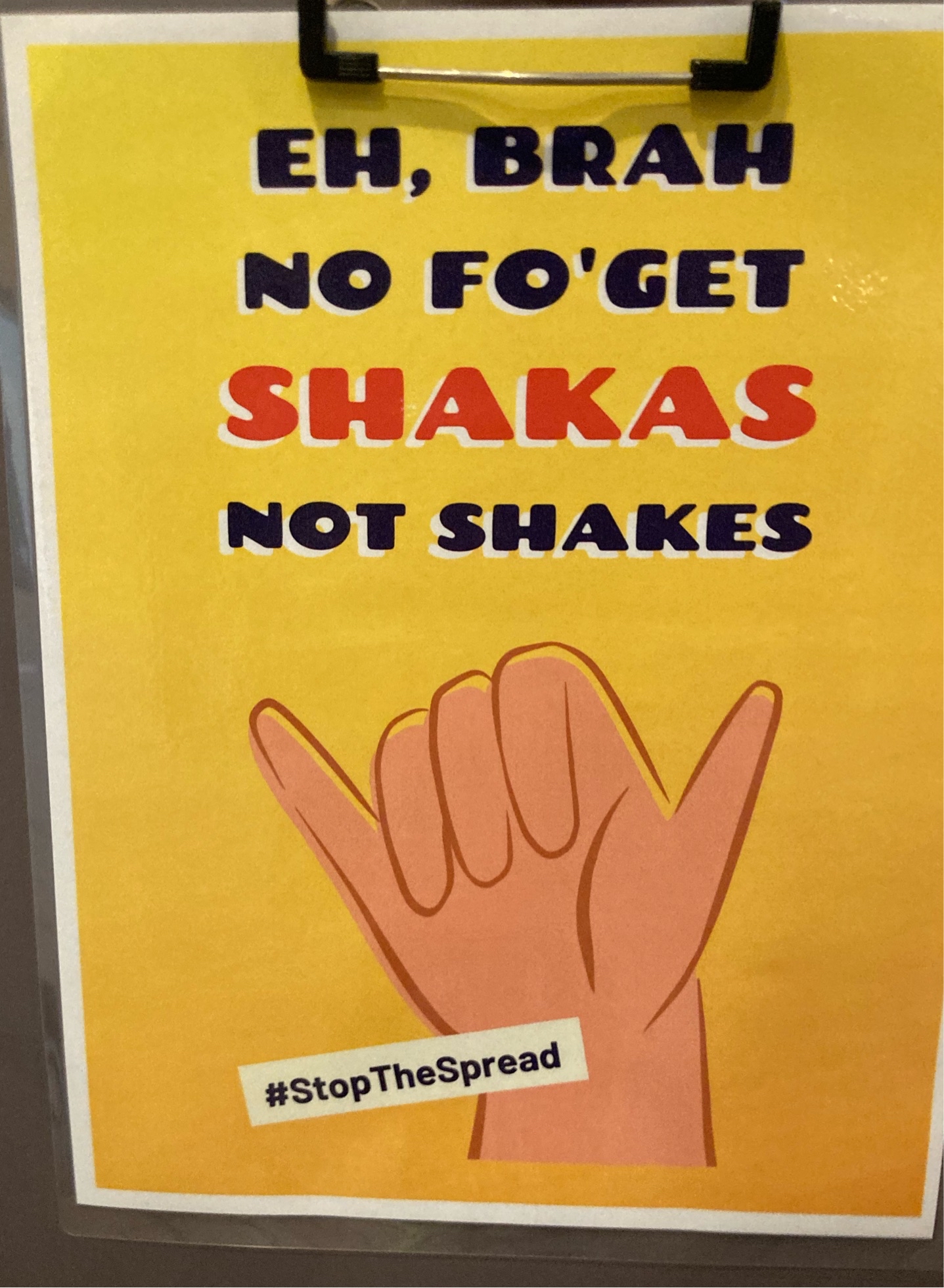
The domain is safety, meant for students (both local and from the mainland) to understand covid rules. This can be understood generally for both of these groups
|
Multilingual Hawaiʻi
|
|
|
46074
|
|
United States
Honolulu
|
|
|
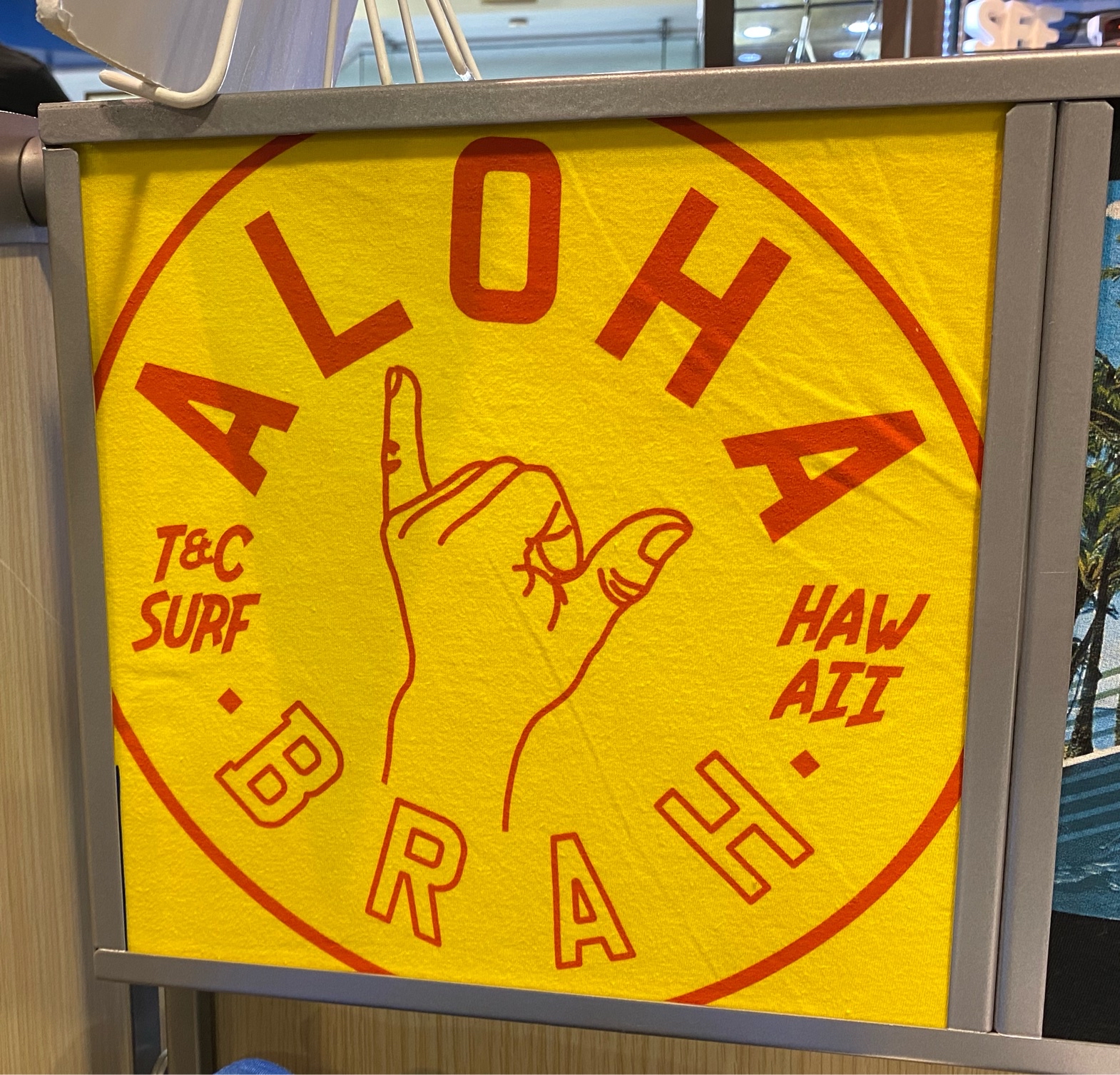
AJR - Check in #2. This picture shows the use of the Hawaiian phrase “Aloha” and Pidgin (?) version of “bro”. The intended audience would be apparel shoppers and it is a great way to promote local identity. However, with the image of a Shaka being exhibited on this shirt, I would say this product catches the eye of more tourists
|
Multilingual Hawaiʻi
|
|
|
25083
|
|
アメリカ合衆国
Honolulu
|
|
|
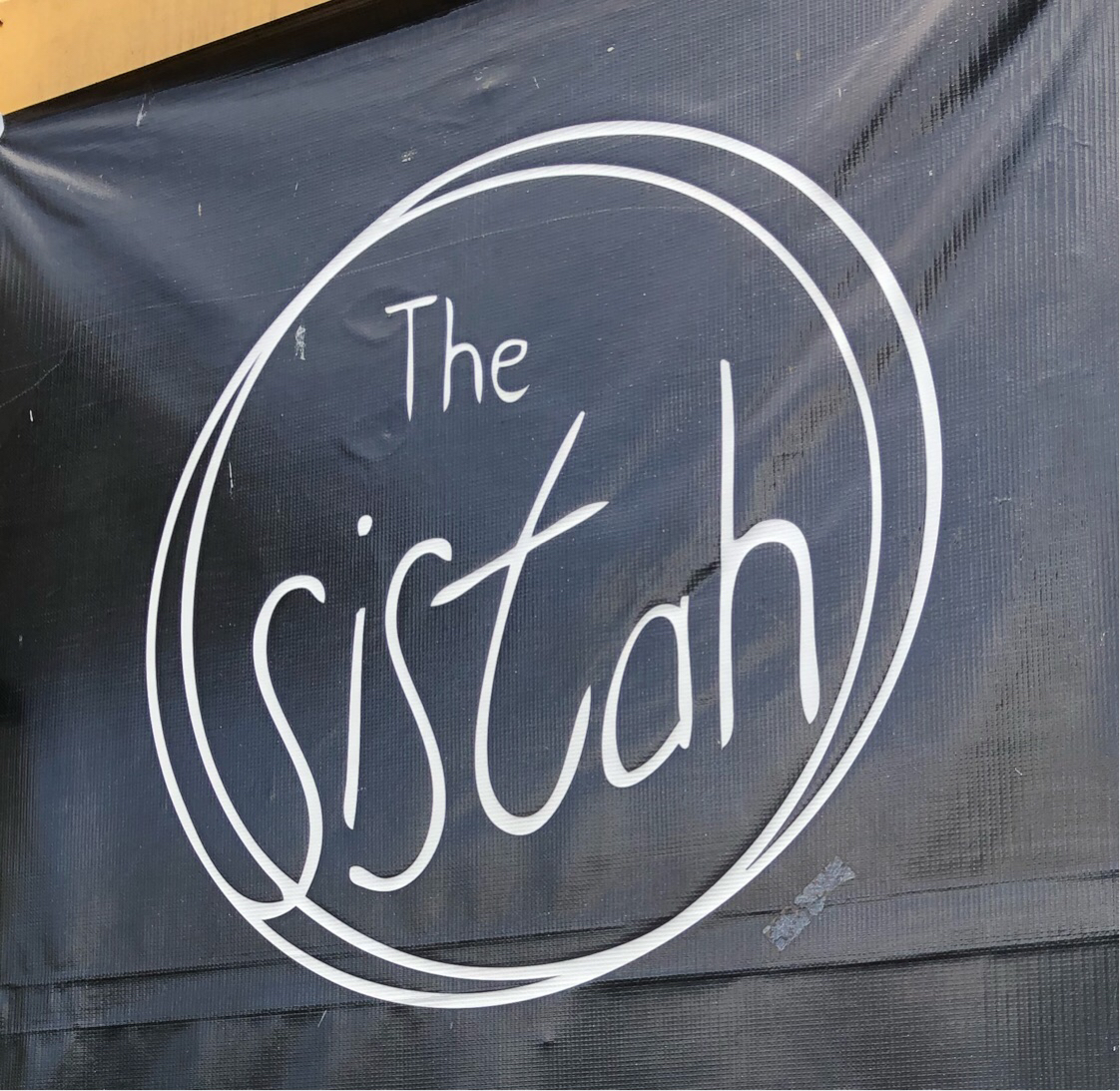
This is a name of the food truck in the campus. “Sisters” means “sister” in English. This is symbolic-authentic to share a sense of “local”. SS
|
Multilingual Hawaiʻi
|
|
|
42491
|
|
ʻAmelika Hui Pū ʻIa
Honolulu
|
|
|
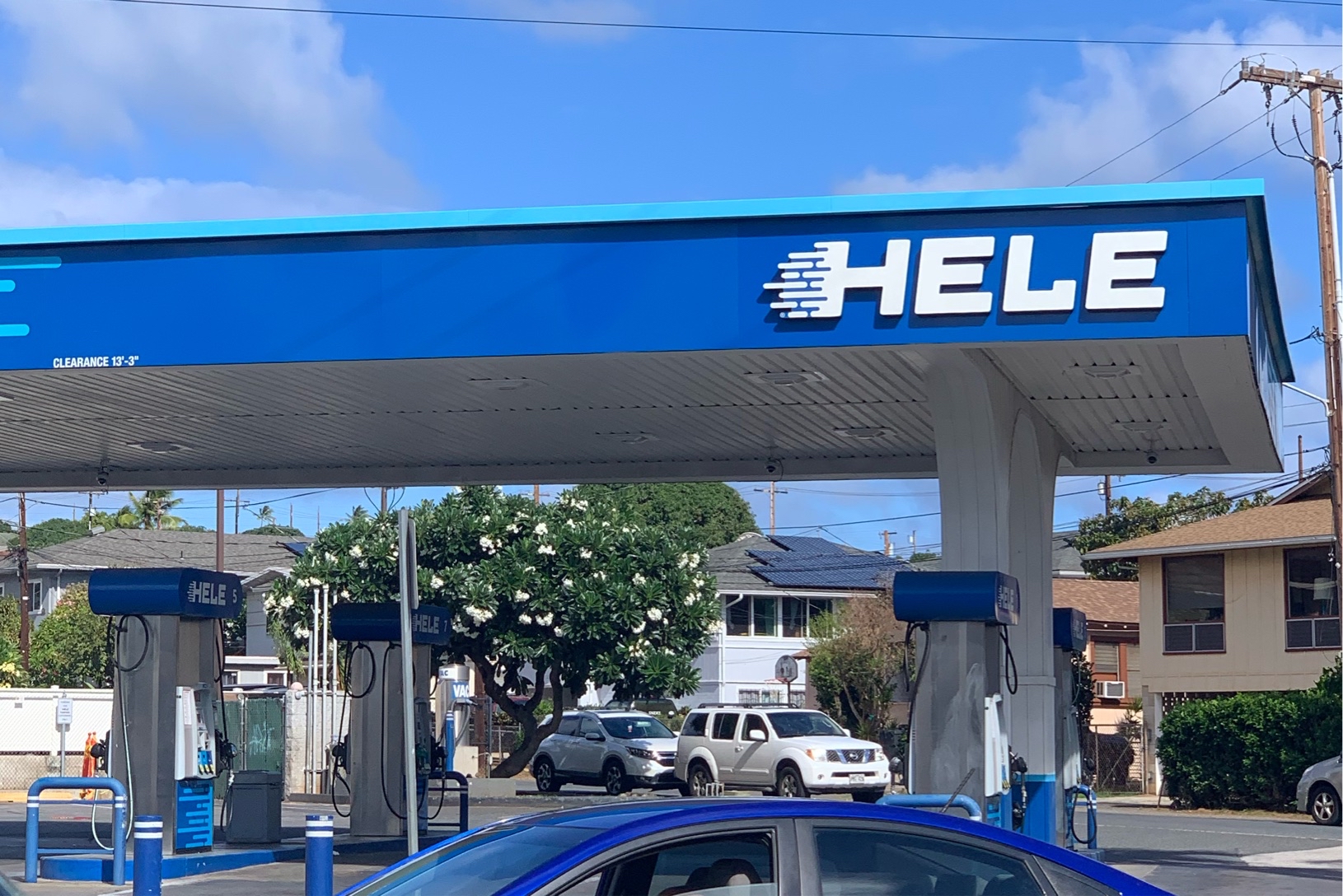
More and more businesses using Hawaiian, Like this Gas Station. Hele being translated as Go, To Go, Move, in this context this refers to cars and being to to fill um up and go! Anyone nearby by needs a quick fill up and go? Come yo Hele. The intended audience is for vehicular users that needs a fill up.
HK
|
Multilingual Hawaiʻi
|
|
|
46075
|
|
United States
Honolulu
|
|
|
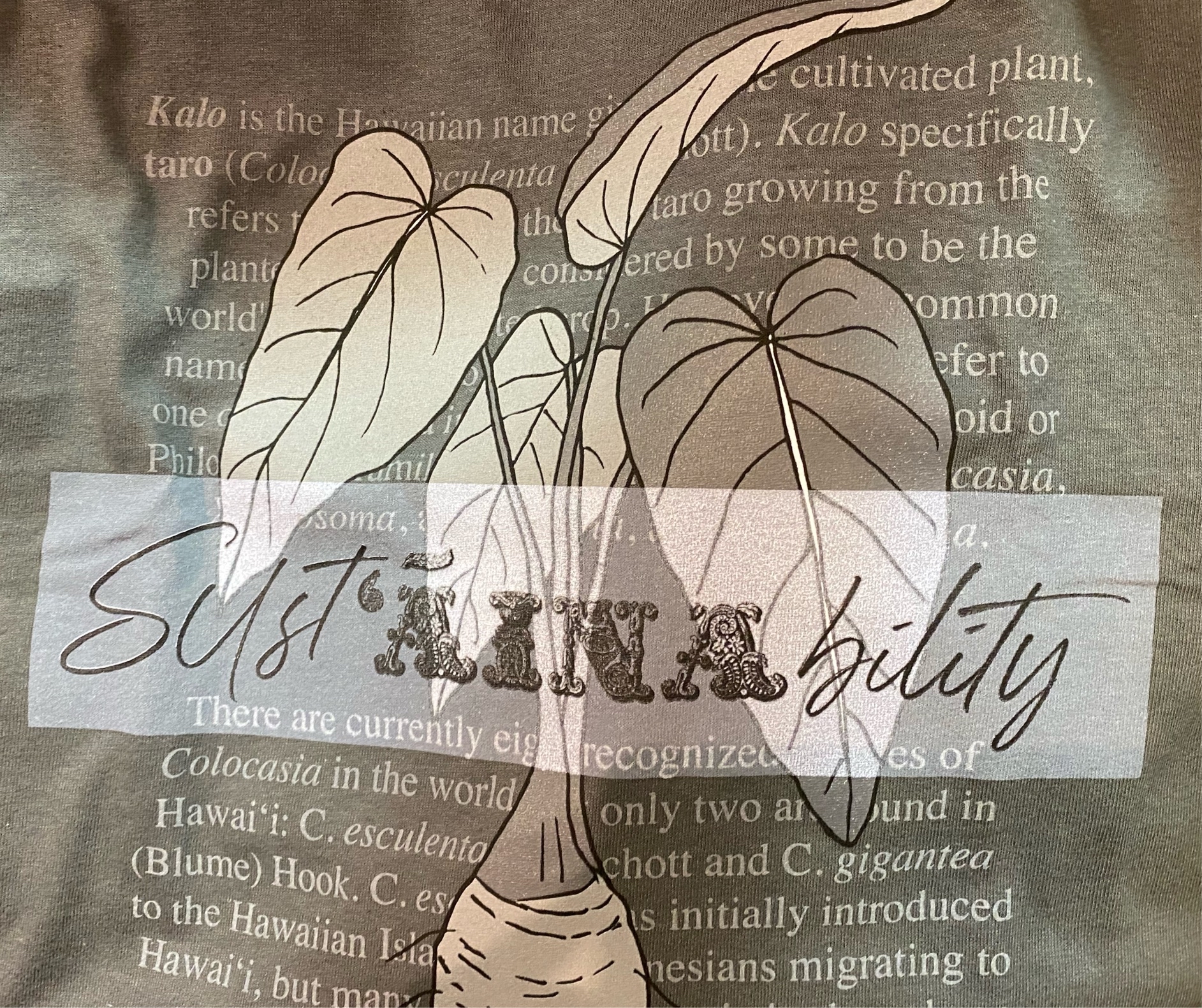
AJR - Check in #2. This picture shows the phrase “SustĀINAbility” in much bigger font than the English/Hawaiian description behind it. By doing so, it combines both English and Hawaiian but gearing the focus more towards the Hawaiian phrase of “Aina.” In my understanding, this phrase refers to having respect towards the land and all that it provides for us, therefore by putting these two words together it creates a Hawaiian claim on sustainability. I would say the intended audience is primarily locals as most tourists most likely don’t know what Aina means
|
Multilingual Hawaiʻi
|
|
|
42492
|
|
United States
Honolulu
|
|
|
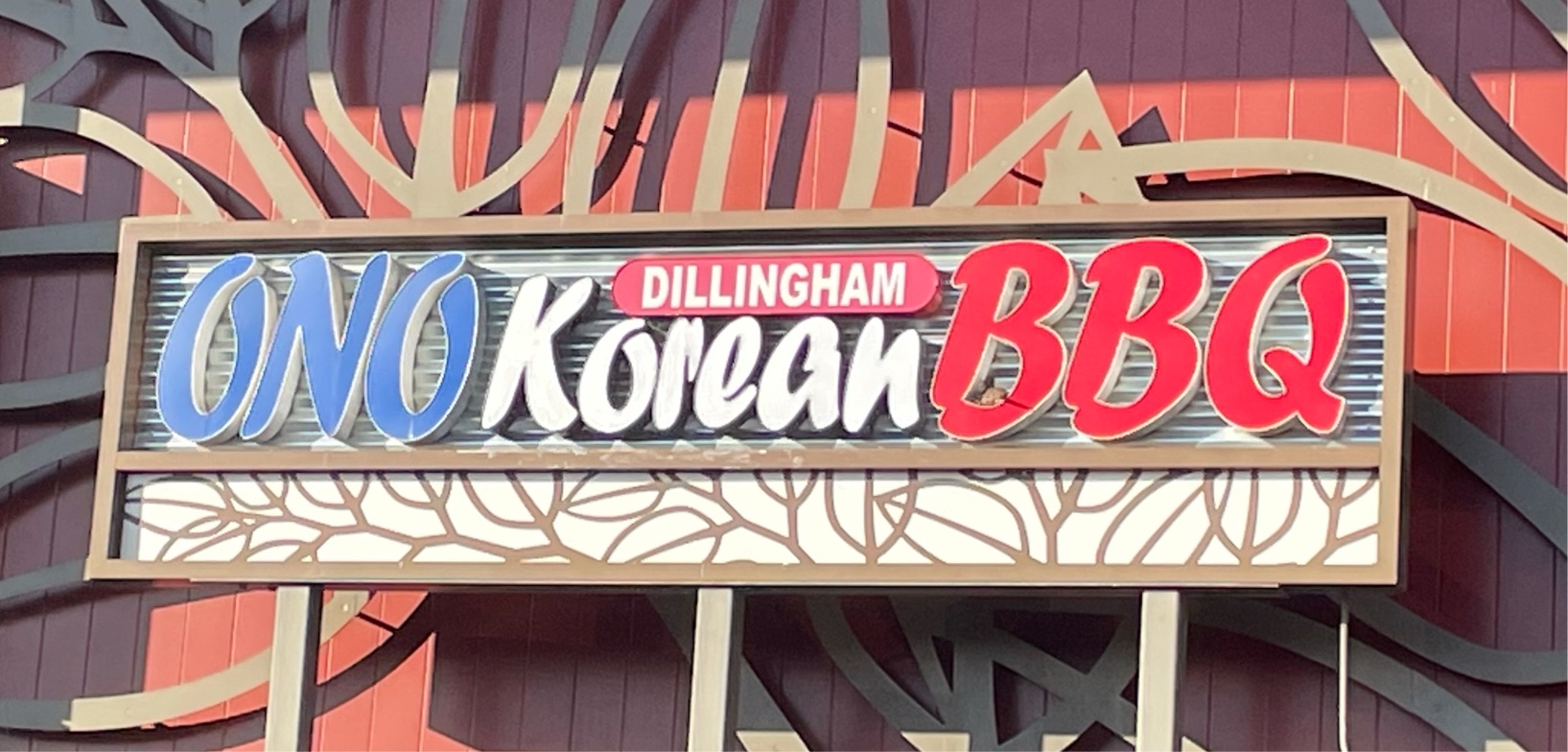
(SP) this is a permanent plastic/metal fixture (medium) on a restaurant (contain). The use of “ono” here is meant to make potential customers (mostly locals who understand the meaning of ono) to immediately associate this restaurant with “deliciousness”. I think the Pidgin here is also used in a commodified sense to make a more catchy and “local” name for this restaurant. Also, this Pidgin is meant to convey to customers that even though this is a Korean-food specific restaurant, it will have a local, more broad feeling environment so it can attract more customers than just Korean people looking for an authentic restaurant (like: “at other Korean restaurants you may only hear servers speaking Korean, but here you’ll hear Pidgin too!”)
|
Multilingual Hawaiʻi
|
|

|
46076
|
|
United States
Honolulu
|
|
|
AJR - Check In #2. As we see in this photo, the phrase “Lawai’a Krew”. I’m not so sure what Lawai’a means but I do believe it is a Hawaiian term. This picture was found in the T&C apparel store, therefore I would guess the intended audience is both locals and non-locals but locals are most likely to be drawn to this shirt
|
Multilingual Hawaiʻi
|
|

|
42493
|
|
United States
Honolulu
|
|
|
(SP) This is another example of Pidgin being used in a restaurant domain on a permanent plastic and metal sign. The use of “Shaka” is likely meant to appeal to tourists and locals alike, but maybe tourists more since Shaka is a Pidgin word that tourists may be familiar with and associate strongly with Hawaiian culture. It adds a sense of “true Hawaiian” to this store, which may attract mainland customers. It also was likely used because it’s very catchy and easy to remember “Shaka Shaka Tea Express”.
|
Multilingual Hawaiʻi
|
|

|
46077
|
|
United States
Honolulu
|
|
|
AJR - Check In #2. This picture exhibits both Hawaiian and English words to describe the names of these plants as well as the significance it has to Hawaii. I would say the intended audience of this sign is primarily tourists given that it was in the Ala Moana shopping center. My guess is that the purpose of it is to teach tourists more of the significance that plants have on Oahu both to the island and the people
|
Multilingual Hawaiʻi
|
|

|
42494
|
|
United States
Honolulu
|
|
|
(SP) This permanent plastic sign is displayed outside Nike’s Bread and Breakfast cafe. It uses mostly English and a few Hawaiian words and phrases. I believe the audience of this sign is both Locals and tourists, as it can be easily understood by anyone who speaks English. “Mahalo” is a word very commonly used instead of of thank you, so it may have been added to increase the Local “Hawaiian” atmosphere of the cafe. They also used “E kala mai” instead of “excuse me” in a way that is easy to miss, so I think it may have been added as a design choice to increase the Local feeling just a little bit more for those who catch it and understand.
|
Multilingual Hawaiʻi
|
|
|
46078
|
|
United States
Honolulu
|
|
|
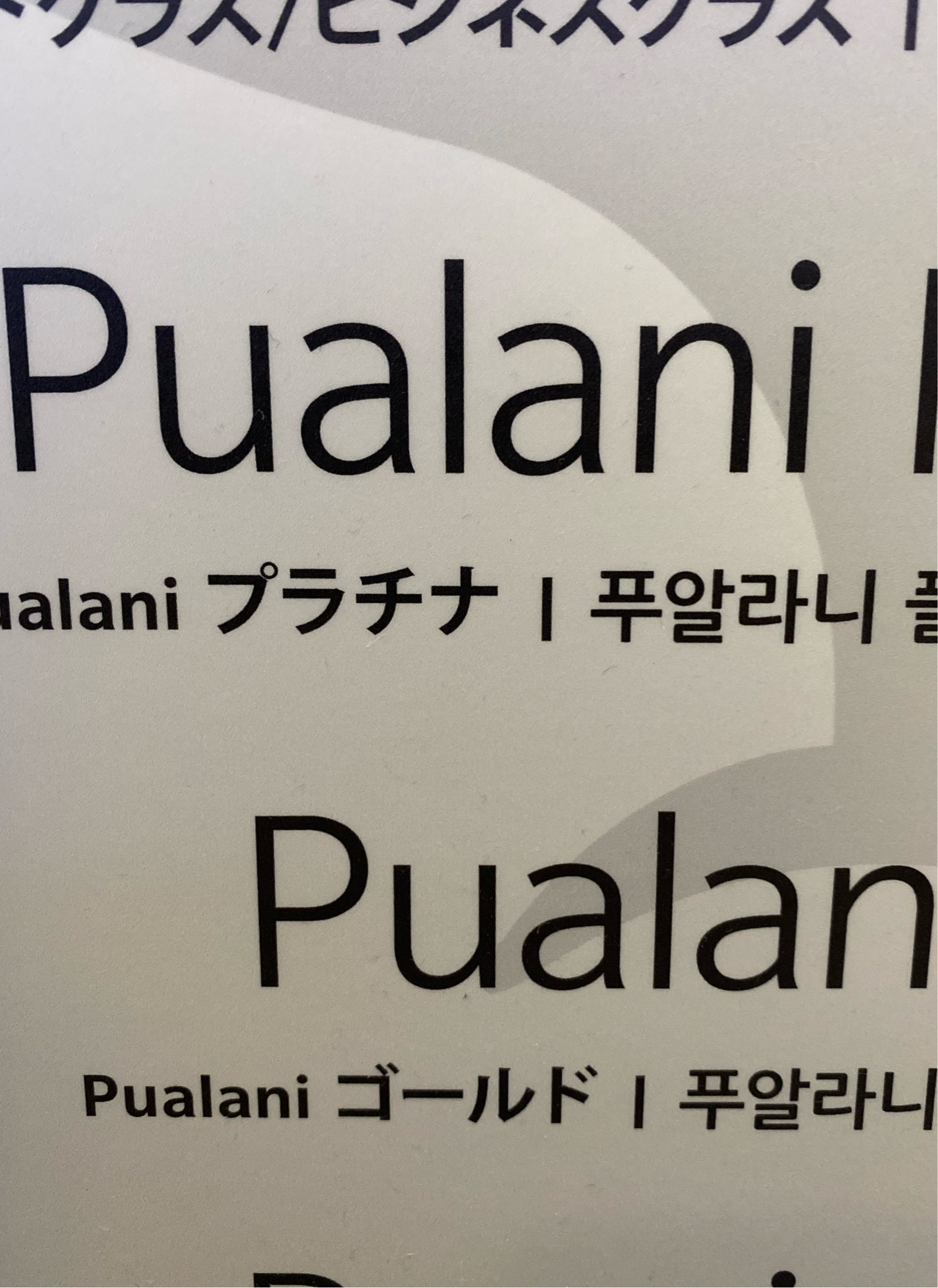
EL-S Checkup #2 : Languages that are used on the sign is Hawaiian and Japanese. There are two Pualani, and one of them is bigger. I think the purpose of this is to catch people’s attention when they enter. The domain is at the international airport. I think what it’s trying to say is the locations of where people are welcoming others. I think Hawaiian is being used here because it’s to welcome them to the island.
|
Multilingual Hawaiʻi
|
|
|
25087
|
|
United States
Honolulu
|
|
|
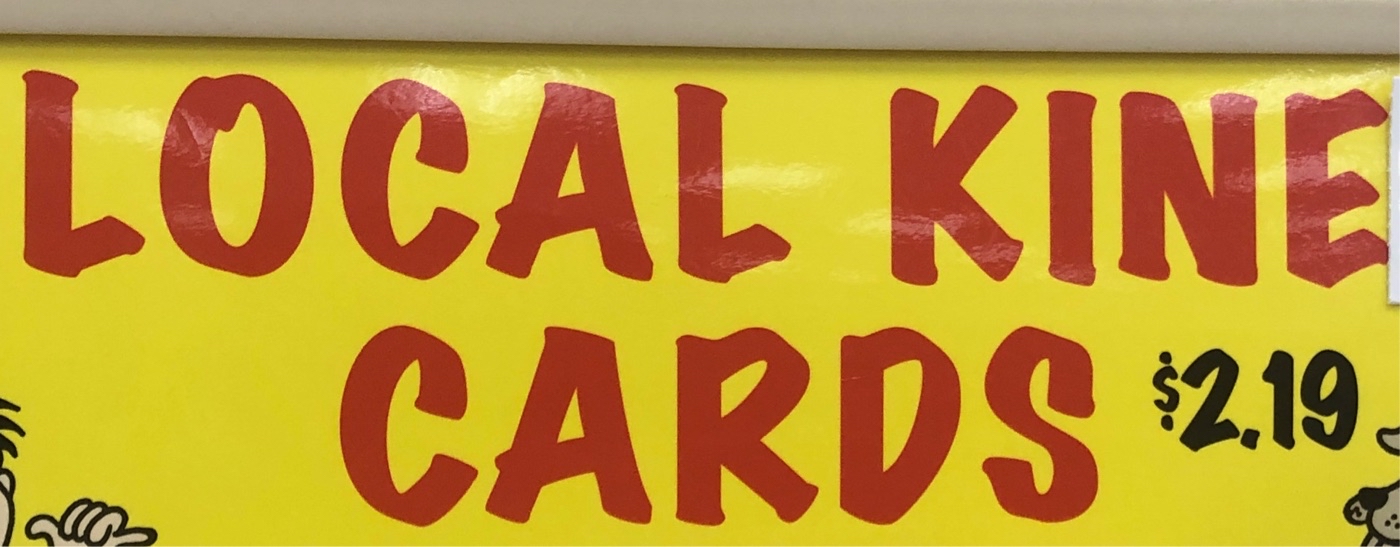
The sign says “Local Kine Cards” which translates to Local Kind Cards, referencing the language locals talk, Pidgin. This is symbolic-authentic. J.A.S
|
Multilingual Hawaiʻi
|
|

|
42495
|
|
United States
Honolulu
|
|
|
(SP) (photo was taken while riding The Bus) This is a semi-permanent paper advertisement on one of the buses (transportation domain) in Honolulu. Most of this sign is in English, while the Pidgin word “Holoholo” is added in there as a tag line for the Holo Card. This Pidgin word has been commodified and turned from a casual word in an entire branding identity for this large company. The audience is both Locals and tourists, since most of the sign is in English, anyone will be able to understand it just fine. Maybe the addition of holoholo is a bit of a wink wink nod to Locals to make people feel more connected to the company and associate using the bus as way to explore and have fun with friends
|
Multilingual Hawaiʻi
|
|

|
46079
|
|
United States
Honolulu
|
|
|
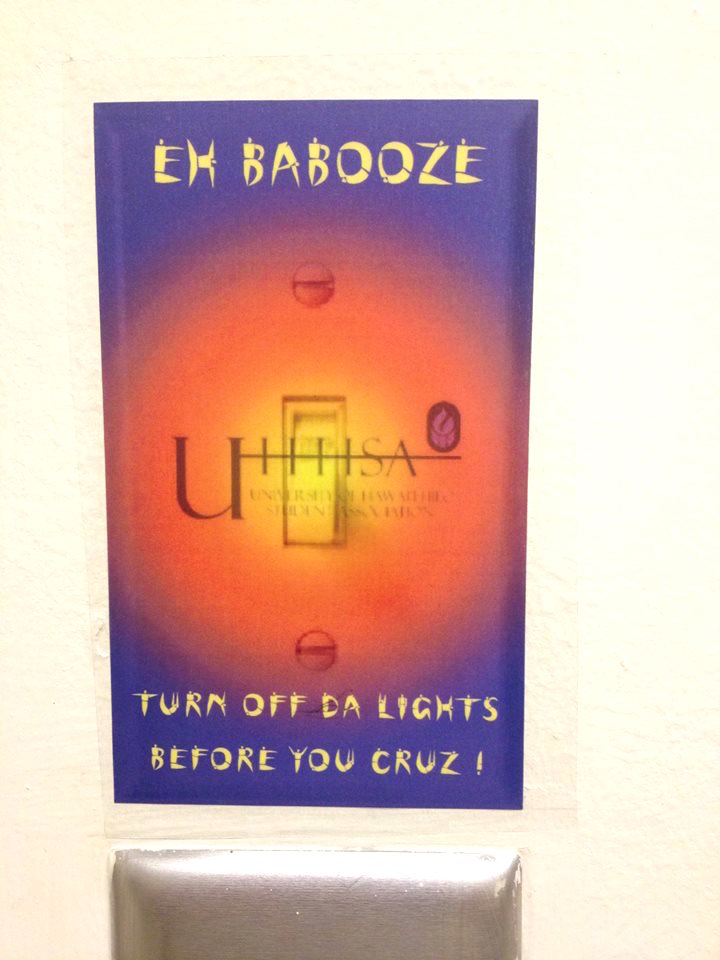
EL-S Checkup #2 : Hawaiian is being used on the sign. The words are big and colored, and have a floral design on it. I think it’s big like that as just a reminder to workers of the airport. The audience would be the general public such as workers or people entering the airport. The domain as I said is the airport. The message is “aloha ‘oe” which means I love you in Hawaiian I believe.
|
Multilingual Hawaiʻi
|
|
|
38971
|
|
United States
Hilo
|
|
|
—
|
Multilingual Hawaiʻi
|
|
|
39045
|
|
United States
Hilo
|
|
|
—
|
Multilingual Hawaiʻi
|
|

|
108710
|
Ticiana Sprok
|
Kuwait
Hawally
|
|
|
In a diversified neighborhood, I saw a storefront with Arabic and English signage. What caught my attention in particular was the dual-language sign that triggered these thoughts: business ventures are responsive to the needs of their community. Having grown up in an area with a rich tapestry of cultures and languages, I appreciate how multilingual signs foster inclusivity. They give a sense of belonging and an opportunity for recognition to those who might otherwise be excluded. After all, this has been an experience that really puts to the test my understanding that language use in public spaces is not about information alone but also respect and recognition toward cultural identity.
|
Multilingual Hawaiʻi
|
|
|
44131
|
|
United States
Hauula
|
|
|
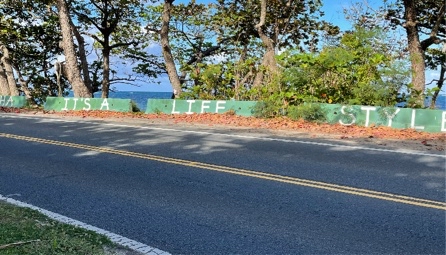
LM. Ko’olaupoko district Aloha it’s a lifestyle. Being kind and compassionate. Intended for locals and non locals alike.
|
Multilingual Hawaiʻi
|
|
|
44133
|
|
United States
Hauula
|
|
|
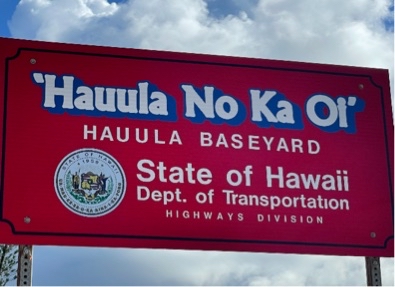
LM. Ko’olaupoko district. “Hau’ula No Ka Oi” means “Hau’ula is the best” intended for locals.
|
Multilingual Hawaiʻi
|
|
|
41344
|
|
United States
Hauula
|
|
|
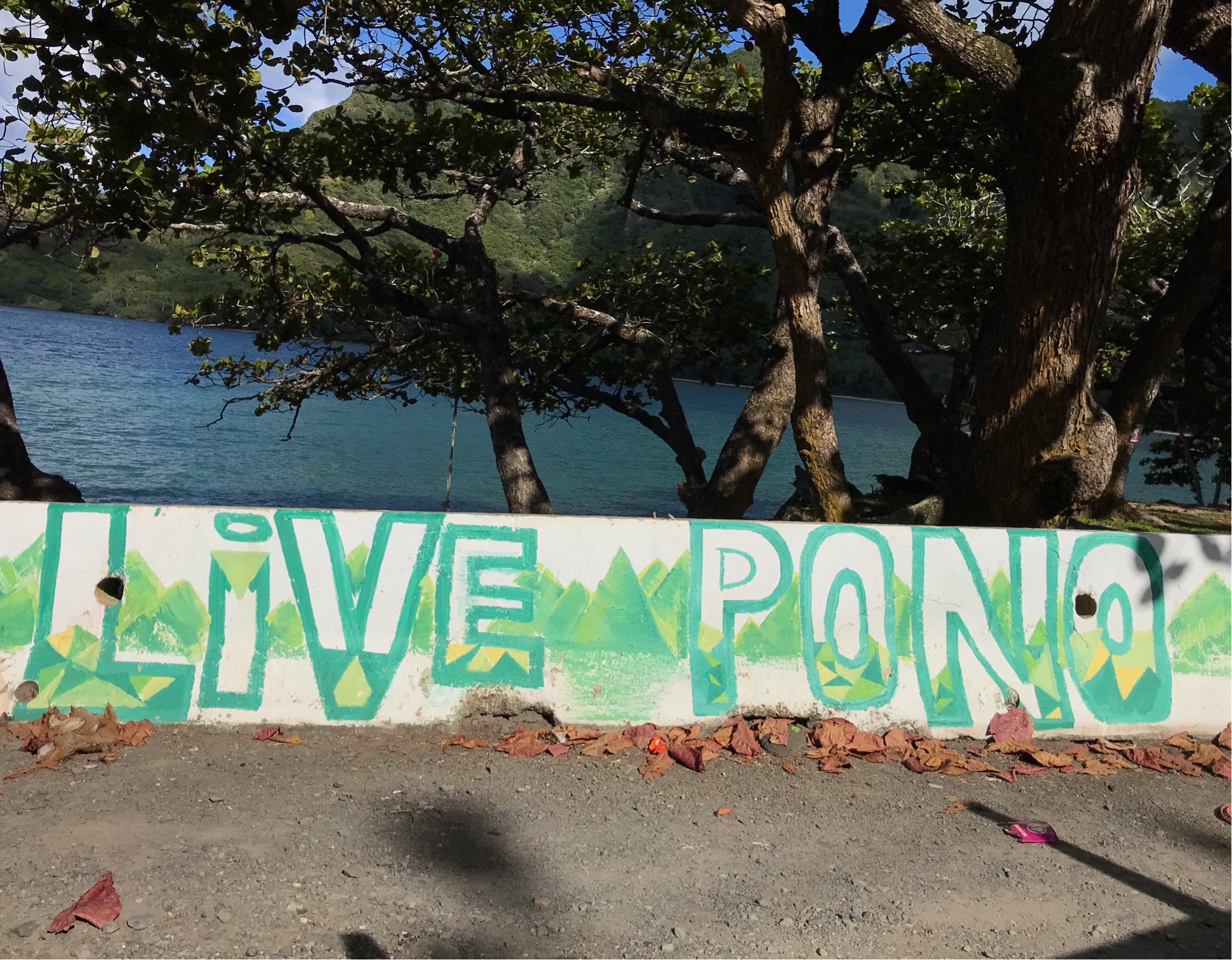
This is meant for locals - relates to the Hawaiian culture and reminds people of the important values in life
|
Multilingual Hawaiʻi
|
|
 Lingscape