|
ID |
Nickname |
Country / City |
Languages |
Taxonomies |
Comment |
Project / Group |
Map |
|
46167
|
|
United States
Honolulu
|
|
|
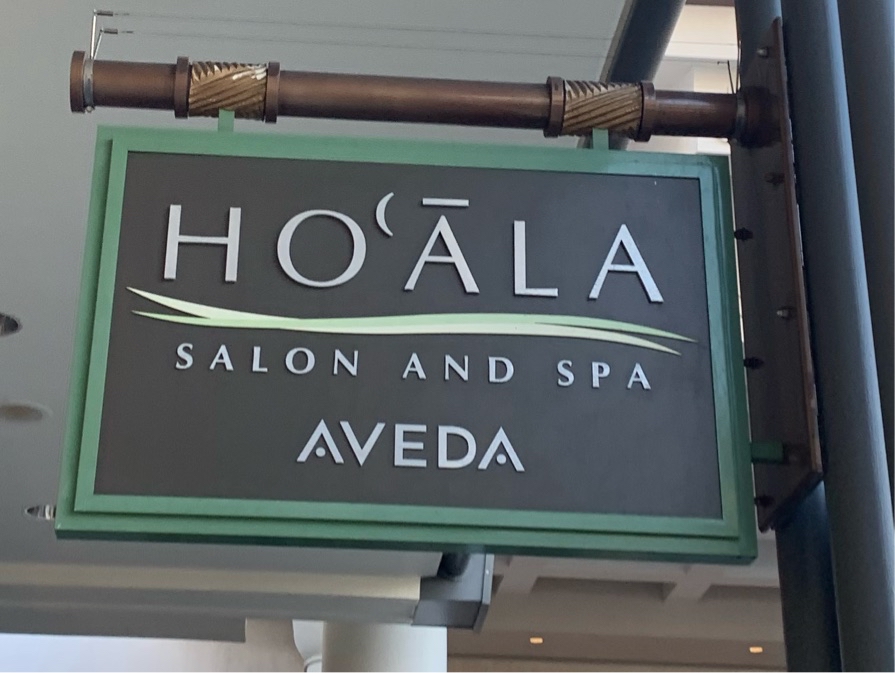
This is an example of Hawaiian. Ho’Āla meaning to awaken, rise up. It’s a sign advertising a spa so it’s more neutral in advertising to both tourists and locals.
-NIP
|
Multilingual Hawaiʻi
|
|

|
47191
|
|
United States
Kaneohe
|
|
|
N.L
https://www.yelp.com/biz_photos/wai%C4%81hole-poi-factory-kaneohe-2?select=bpE8L4F6j3RVgNxbGAMzYQ
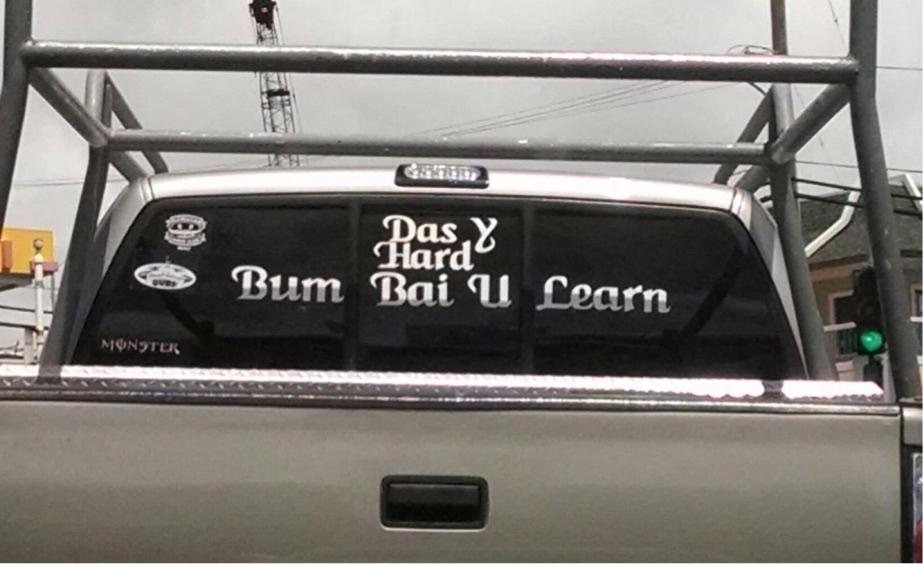
This photo is a menu from a restaurant called Waiahole Poi Factory. There are 2 Hawaiian foods named in this menu. Kulolo, a dessert made with taro and coconut. Haupia, which is a coconut based dessert.
|
Multilingual Hawaiʻi
|
|
|
39000
|
|
United States
Honolulu
|
|
|
—
|
Multilingual Hawaiʻi
|
|
|
44120
|
|
United States
Honolulu
|
|
|
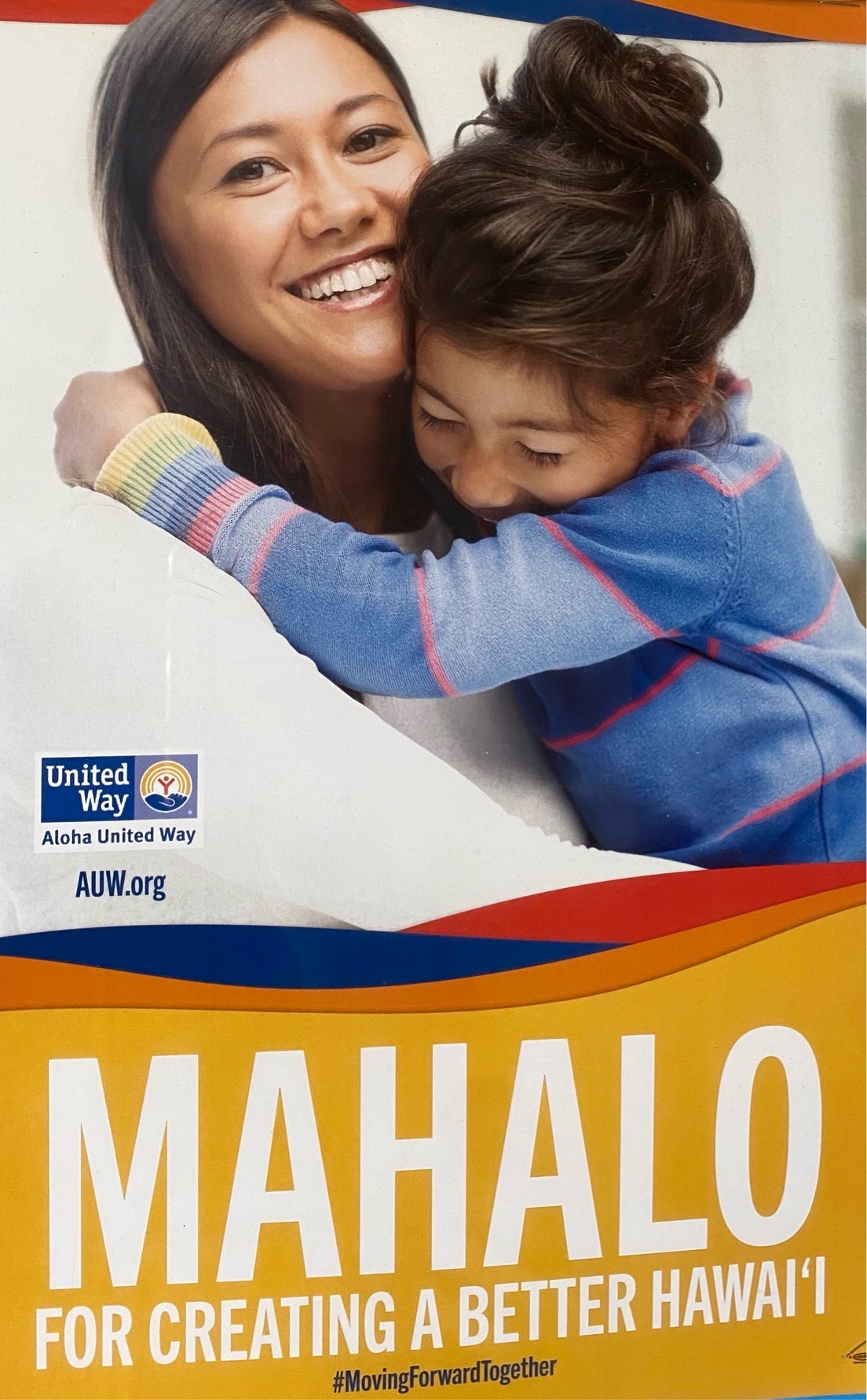
This is a poster in UHM’s Shidler building. The use of Hawaiian in this poster shows that the intended audience is the local community. It also creates a sense of “togetherness”. AJR
|
Multilingual Hawaiʻi
|
|
|
46168
|
|
United States
Honolulu
|
|
|
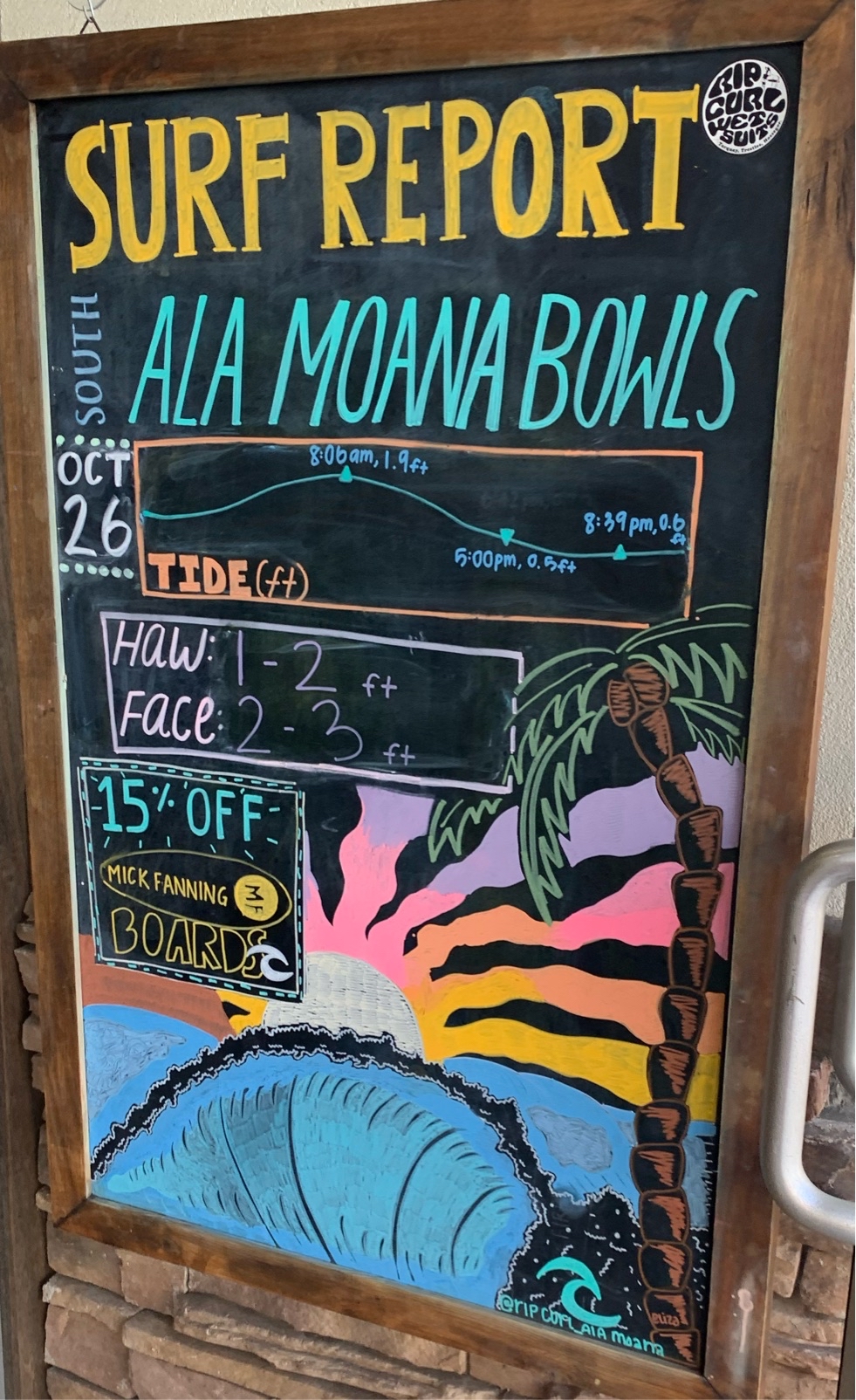
This has English, Hawaiian, and Pidgin. It’s a mock up surf report at Ala Moana Bowls which is a local spot that’s named with its Pidgin. It was outside of a clothing store so it’s probably more for tourists but has a touch of local flavor in the writing to make it more neutral.
-NIP
|
Multilingual Hawaiʻi
|
|

|
47192
|
|
United States
Aiea
|
|
|
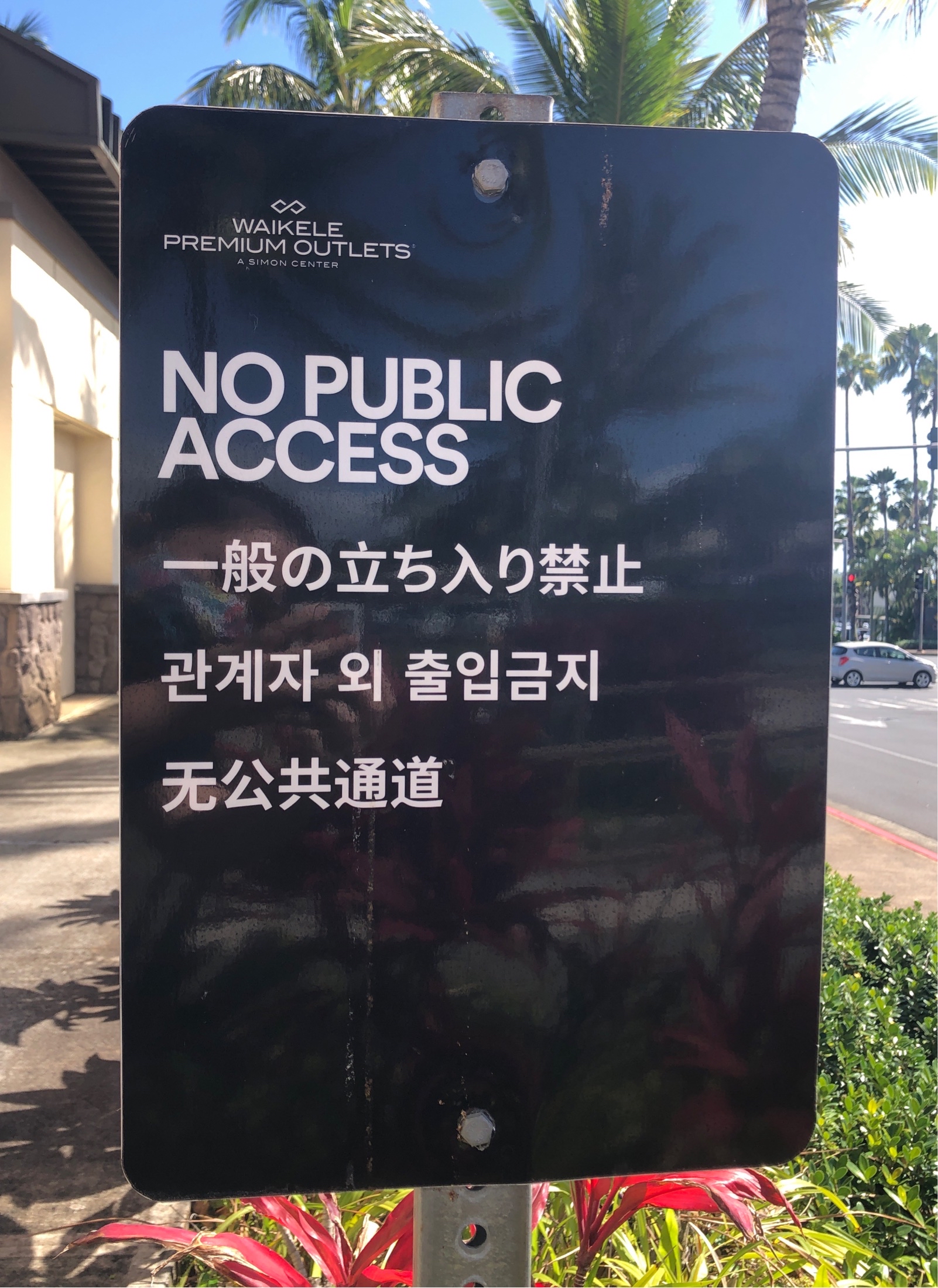
EL-S Checkup #3: The languages being used in here are Hawaiian, English and Pidgin. The domain is the food court is located in Downtown Pearlridge. The audience would mainly be locals since the place is called “Rainbow Drive-Inn,” it can attract many locals but many shoppers that are hungry as well.
|
Multilingual Hawaiʻi
|
|
|
38745
|
|
United States
Waipahu
|
|
|
—
|
Multilingual Hawaiʻi
|
|
|
39001
|
|
United States
Honolulu
|
|
|
—
|
Multilingual Hawaiʻi
|
|

|
44121
|
|
United States
Honolulu
|
|
|
This is an informative poster that was on The Bus. From the context of the English words used below, I can see that the meaning of “Malama Kupuna” implies putting our elders first, especially on public transportation. This also implies that the intended audience would be the local community, along with foreigners as English is also used. AJR
|
Multilingual Hawaiʻi
|
|

|
47193
|
|
United States
Honolulu
|
|
|
The domain in this photo is branding and commodification. The purpose of using Hawaiian in this photo is to connect the sole purpose of what the book is about which is to teach/learn about Hawaiian. The intended audience is those who are interested in the Hawaiian language and want to learn it. It is printed on card-stock and paper. The implied message of the Hawaiian title directly translated means “the eight seas”. - CQ
|
Multilingual Hawaiʻi
|
|
|
39002
|
|
United States
Honolulu
|
|
|
—
|
Multilingual Hawaiʻi
|
|
|
44122
|
|
United States
Honolulu
|
|
|
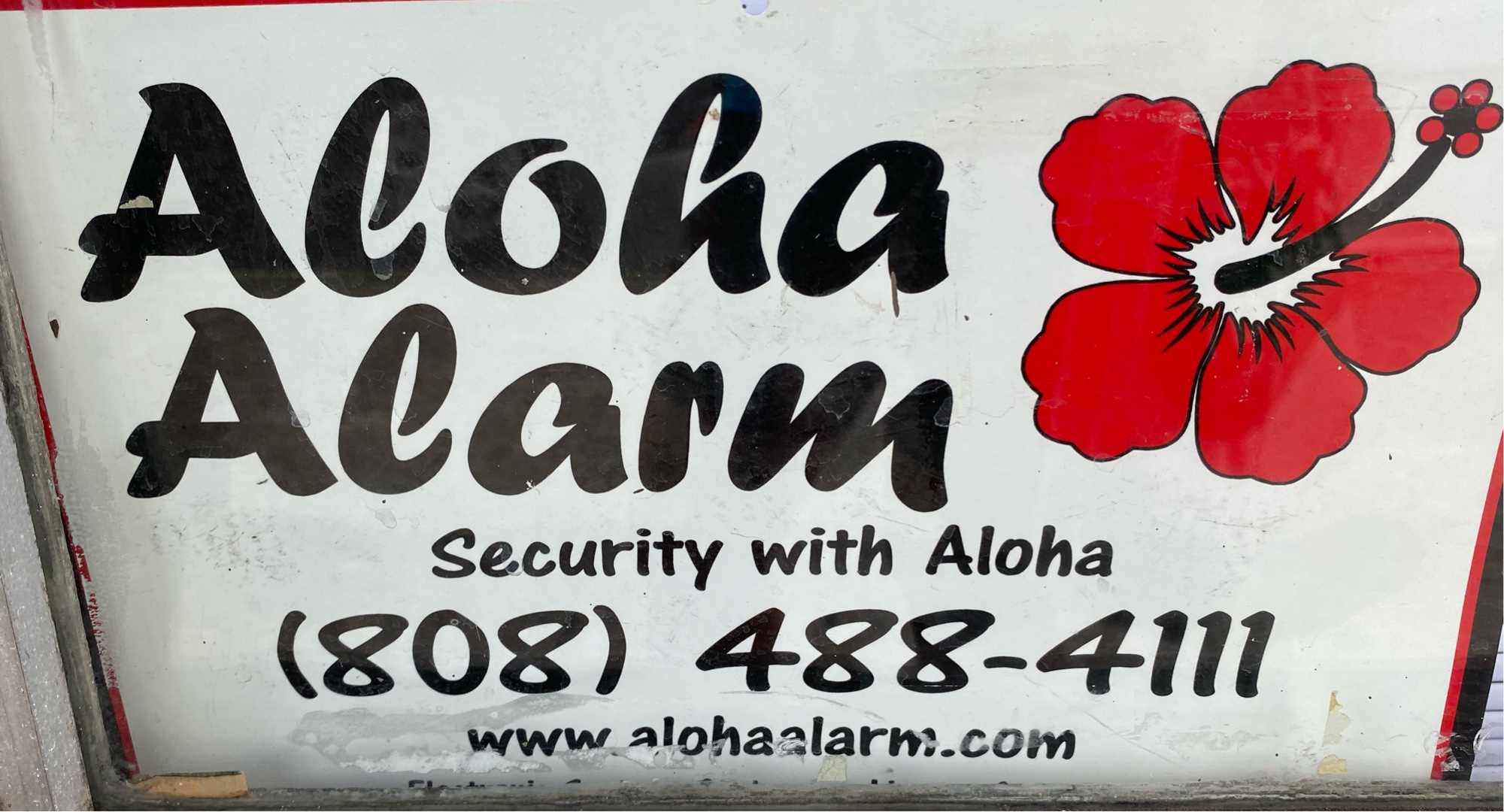
This is a public sign showcasing an alarm system. The intended audience would be both locals with a business as well as foreigners as it includes English words. AJR
|
Multilingual Hawaiʻi
|
|

|
46170
|
|
United States
Honolulu
|
|
|
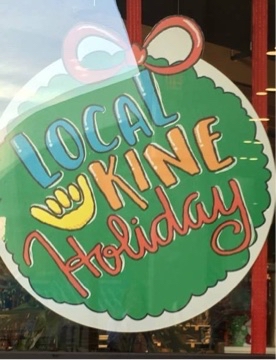
This would be an example of Hawaiian. It’s pretty neutral on being for both locals and tourists mainly because it’s in Longs. It uses Keiki to communicate to both that it’s for kids and has nice fun designs that could be appealing to either side.
-NIP
|
Multilingual Hawaiʻi
|
|

|
47194
|
|
United States
Honolulu
|
|
|
The domain in this photo is branding and commodification. The Hawaiian in this case is “Hula Pahu” and this is the title of the book. It is also a direct translation of the subtitle, “drum dance”. The purpose of using Hawaiian adds credibility to the book because it talks about Hawaiian culture. It is natural to put the Hawaiian language when talking about Hawaiian culture. The book is specifically targeted on people who want to learn about Hawaiian culture specifically hula. This is printed on card-stock and paper. The implied message is to educate people about hula. - CQ
|
Multilingual Hawaiʻi
|
|
|
39003
|
|
United States
Honolulu
|
|
|
—
|
Multilingual Hawaiʻi
|
|

|
44123
|
|
United States
Honolulu
|
|
|
This is the menu at South Shore Grill. We see the use of Pidgin in this menu to showcase their “local favorites”; “keiki dog,” “small kine”. The intended audience is both local and foreigner customers. AJR
|
Multilingual Hawaiʻi
|
|
|
46171
|
|
United States
Honolulu
|
|
|
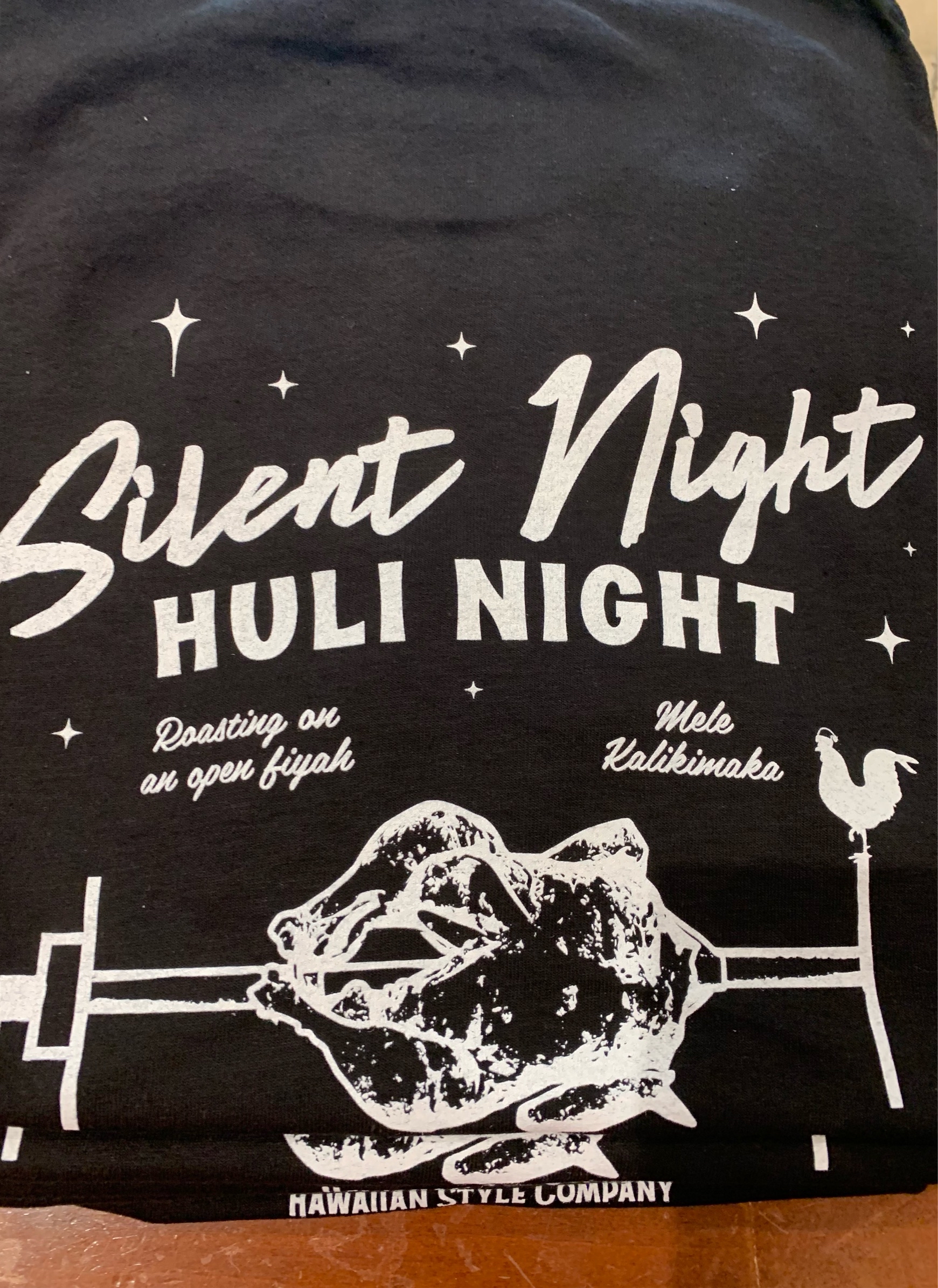
This is an example of Pidgin and Hawaiian. With Huli and being a cooking style. And Mele Kalikimaka being merry Christmas in Hawaiian. While fiyah is spelt in the Pidgin style and the whole of the shirt being a more local oriented design.
-NIP
|
Multilingual Hawaiʻi
|
|
|
47195
|
|
United States
Aiea
|
|
|
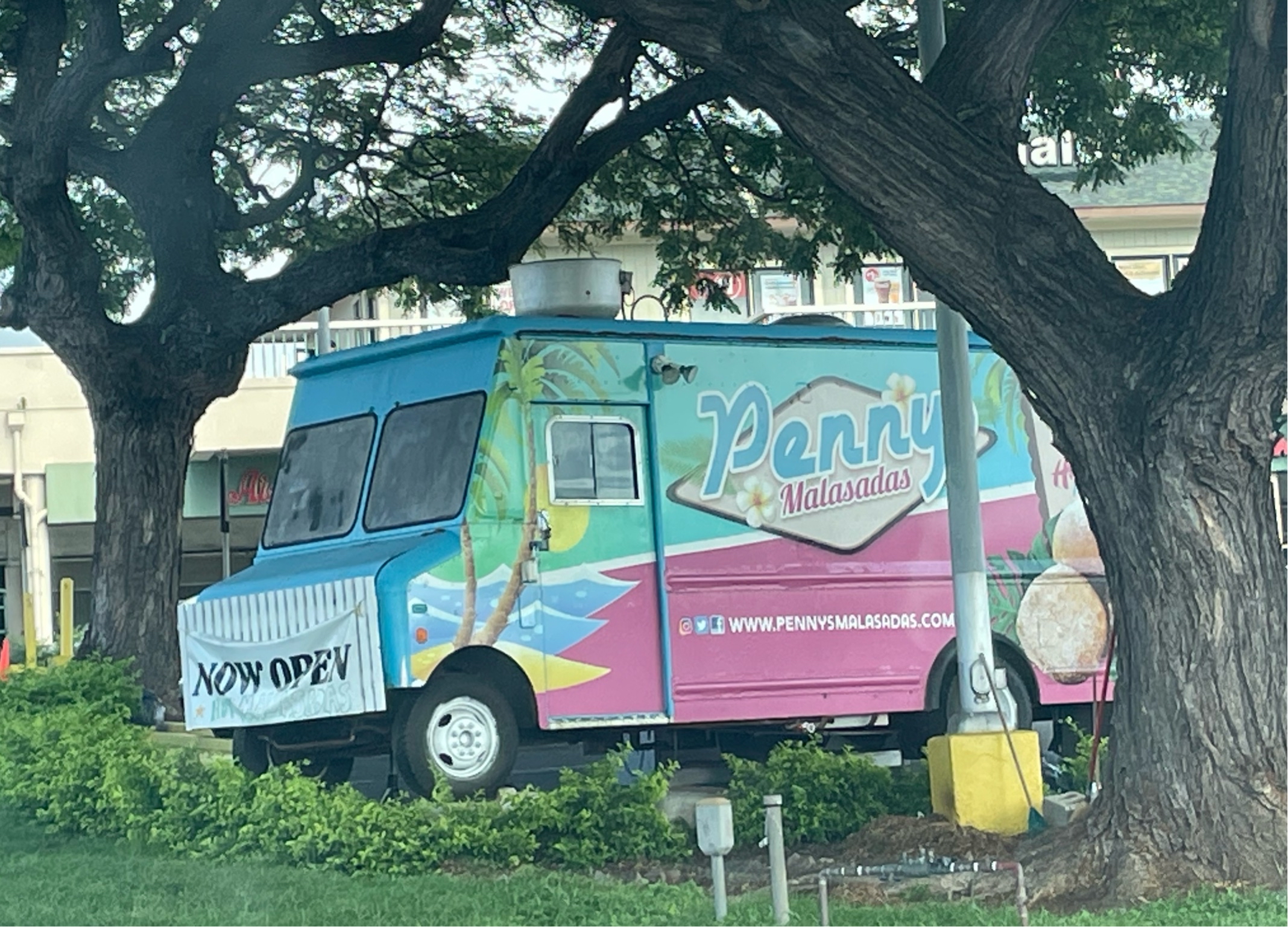
EL-S Checkup #3: This was taken in a parking lot of the Aiea Shopping Center. The domain is a shopping center/food truck. The Pidgin that is recognized is Malasadas, which is a dessert that’s fried and has sugar on top. It’s a local delite. The audience would be locals who are looking for something sweet to snack on or tourists who are curious to try it.
|
Multilingual Hawaiʻi
|
|
|
39004
|
|
United States
Honolulu
|
|
|
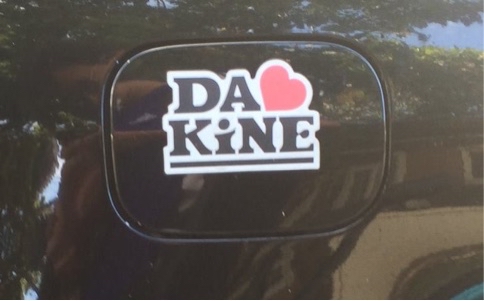
—
|
Multilingual Hawaiʻi
|
|
|
44124
|
|
United States
Honolulu
|
|
|
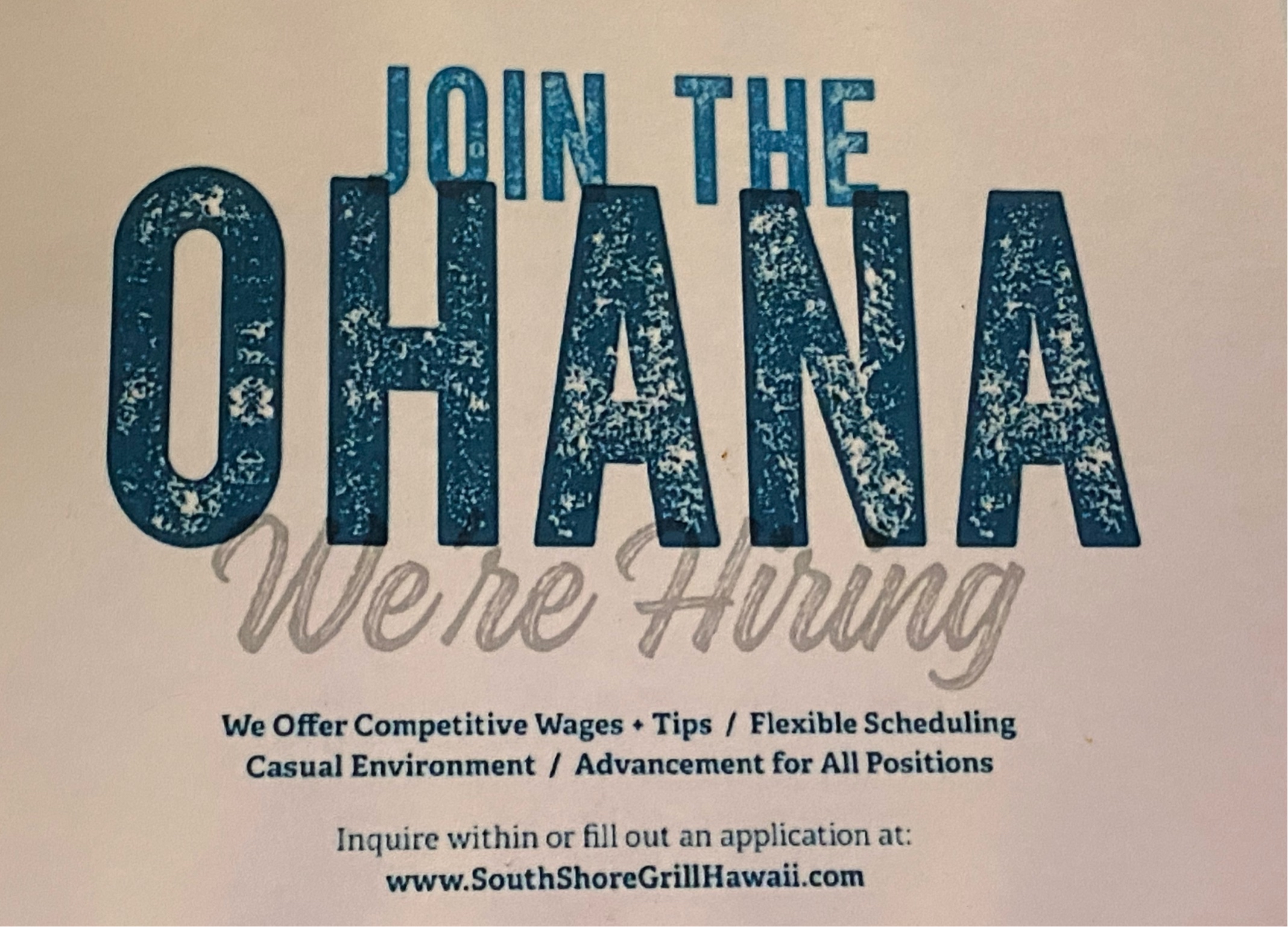
I would consider this Pidgin because it incorporates both English and Hawaiian in the phrase “Join the Ohana”. This is another poster up at South Shore Grill. The intended audience can also be both locals and people of other ethnic groups living on the island. AJR
|
Multilingual Hawaiʻi
|
|
 Lingscape