Birthday card. Symbolic synthetic. Full of pidgin first part. Formal English second part. JAS
Multilingual Hawaiʻi
26173
United States
Tucson
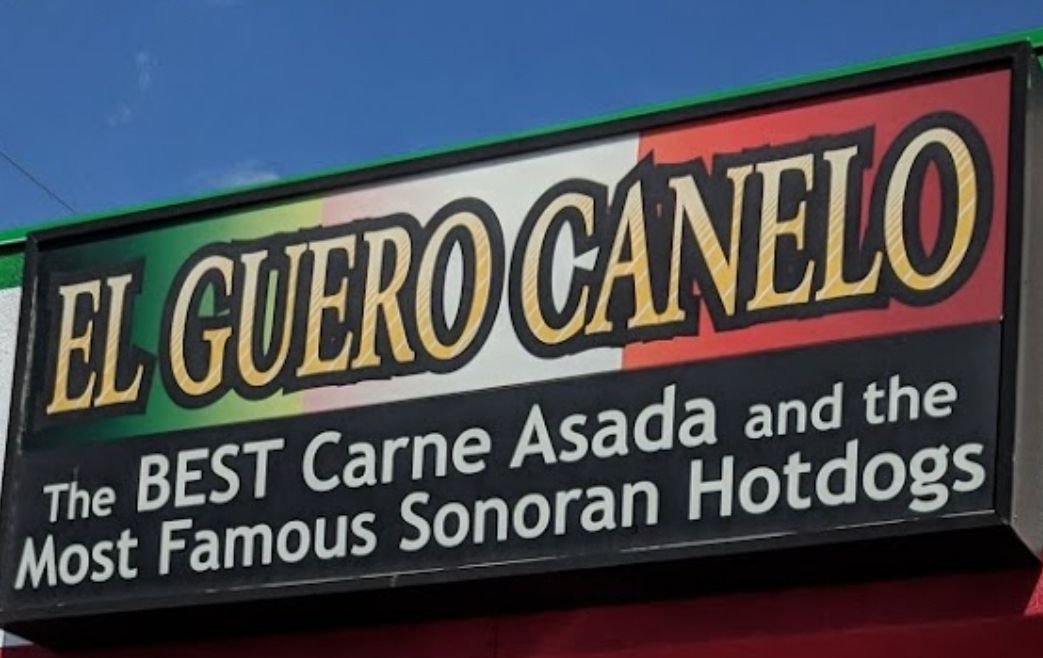
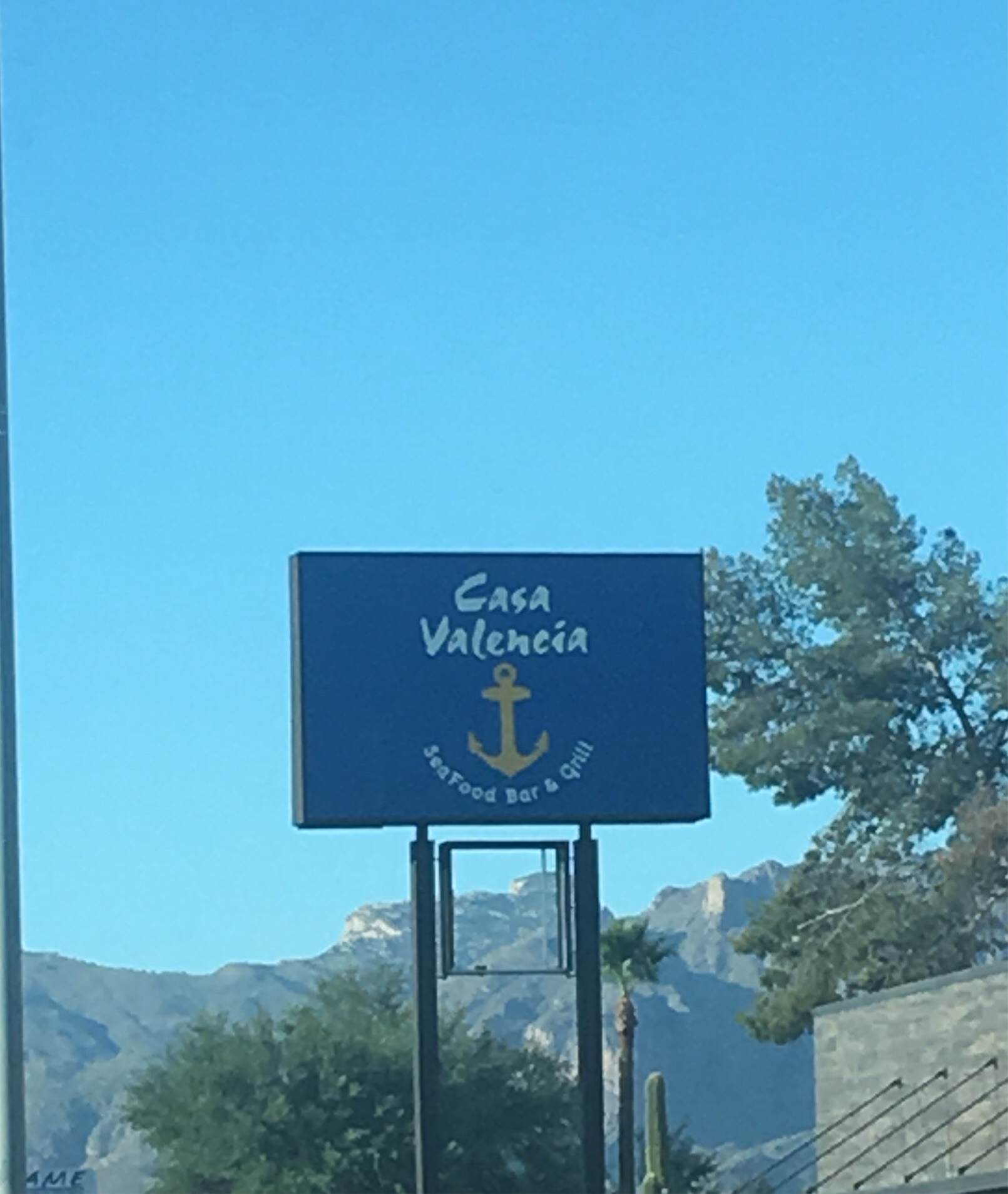
Esta restaurante tiene muy buena carne asada. - Cynthia A.
159549
United States
Coventry
—
RILL
38973
United States
Honolulu
—
Multilingual Hawaiʻi
46141
United States
Honolulu
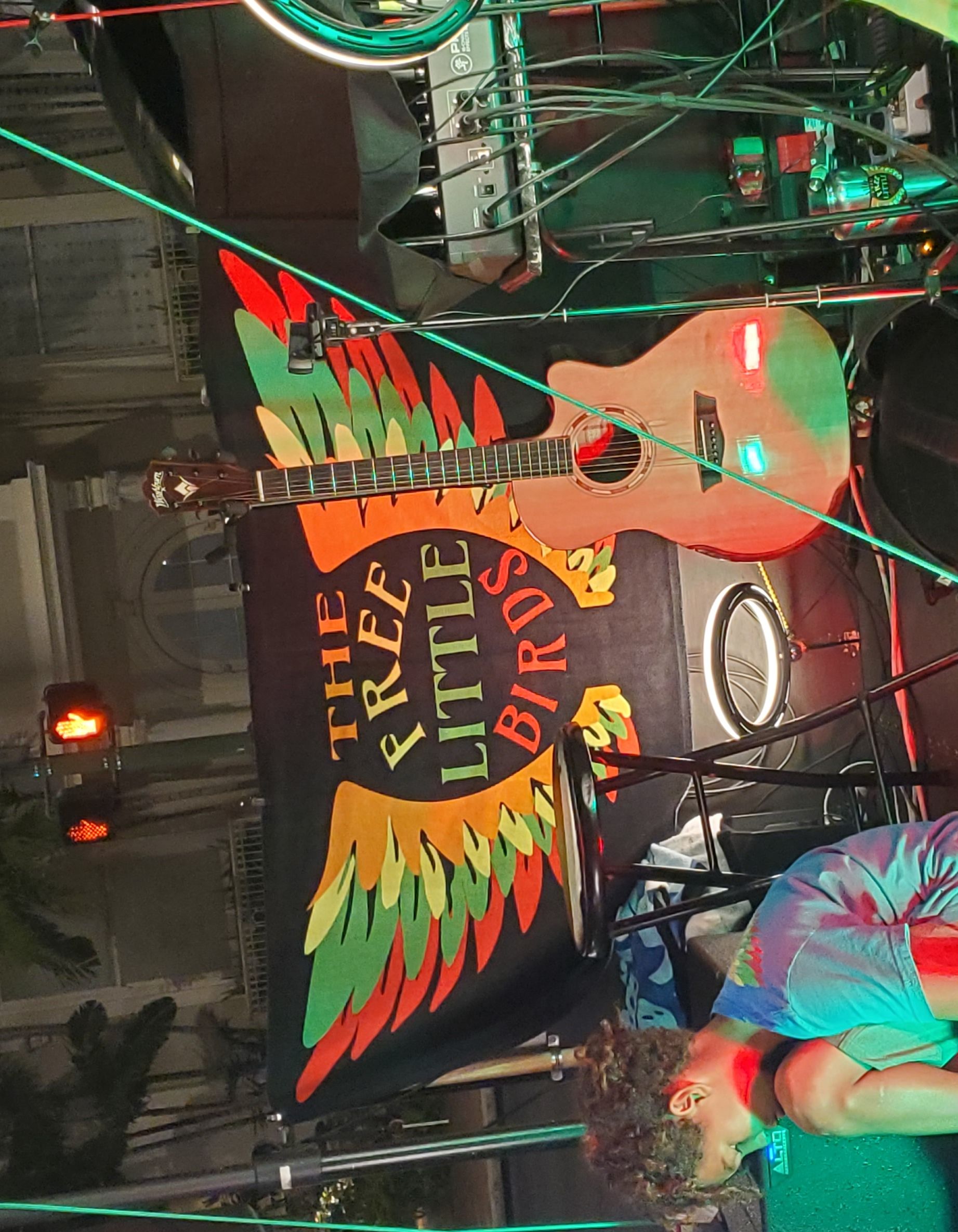
here pidgin is used by the Jawaiian band to relate more to the people
Multilingual Hawaiʻi
47165
United States
Kaneohe
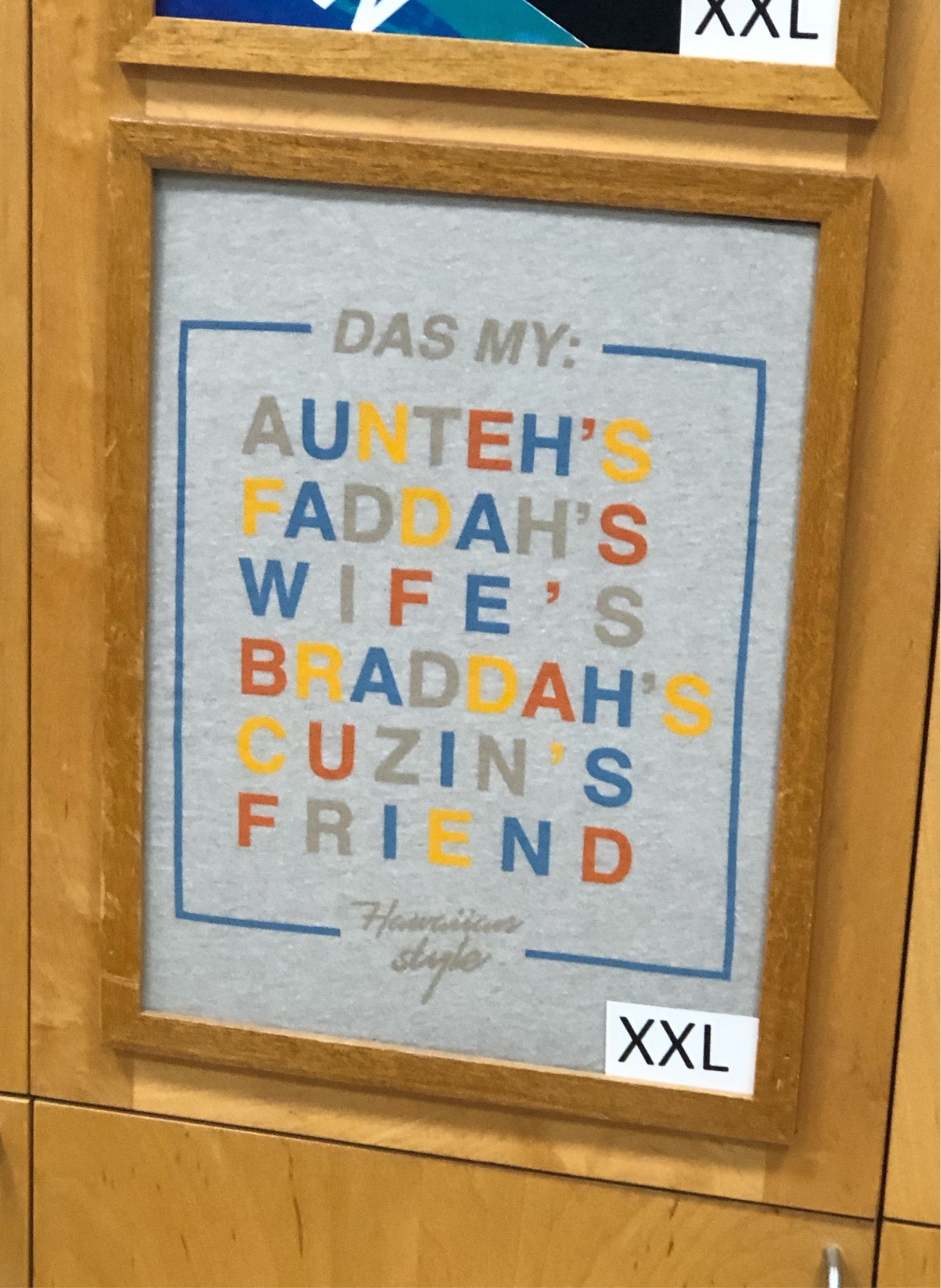
SU: Check Up #3
- What languages are used on the sign?:
The languages that are used on the sign are Hawai’i Creole or Pidgin and English.
- How is the language presented?:
Both languages are presented in colorful and upper case letters but I think the Pidgin word “braddah” is the most colorful on the sign and has the least amount of grey letters.
- Who is the audience?:
The audience is the general public, but would probably be more directed towards locals.
- What is the domain?:
The domain is on an example card for a T-shirt in the T&C store at Windward Mall.
- What is the sign telling people?:
The phrase in the sign is a common way people in Hawai’i explain how they know someone, to someone else. In this case the person that they’re talking about would probably be their grandma’s, brother’s, cousin’s friend.
- Why is Pidgin/Hawaiian being used here?:
Pidgin is being used here because it is a unique and intriguing way to make a shirt and it is also appropriate since the people in this island commonly use this type of language.
Multilingual Hawaiʻi
113213
United States
Port Henry
—
113469
United States
Saranac Lake
—
117053
United States
Potsdam
—
65854
United States
McAllen
—
Letreros en el RGV
5694
United States
Lincolnwood
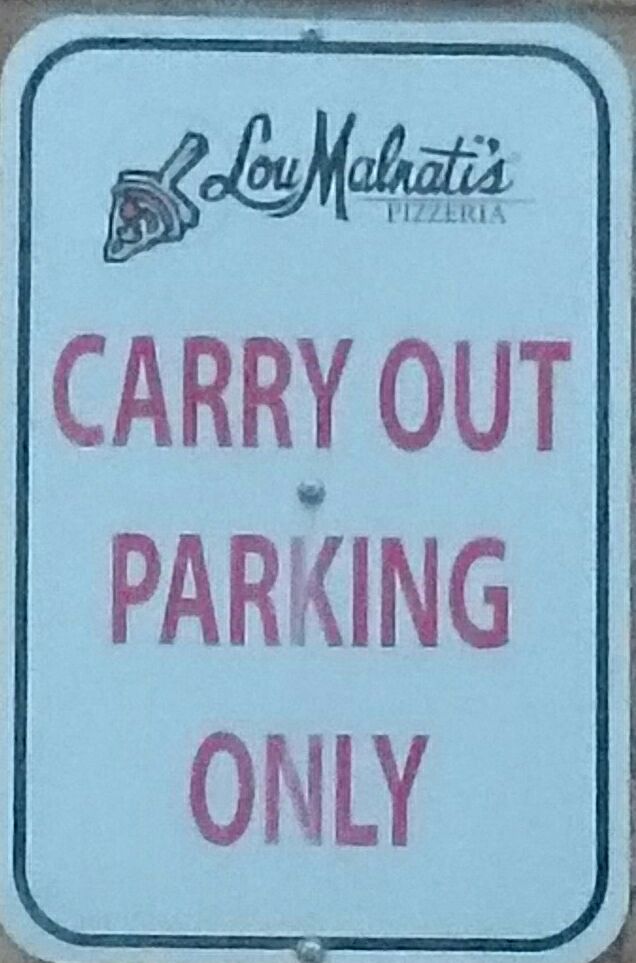
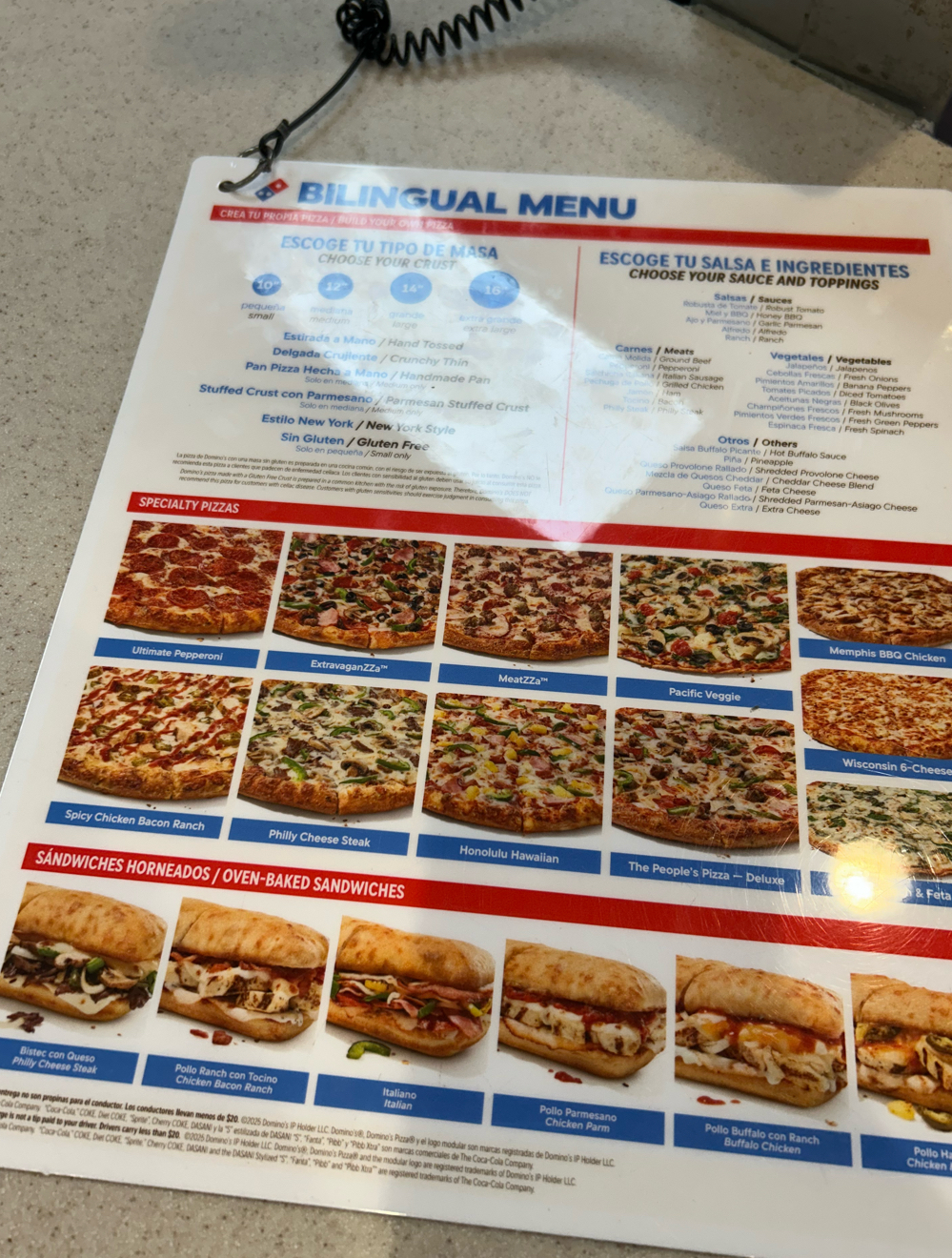
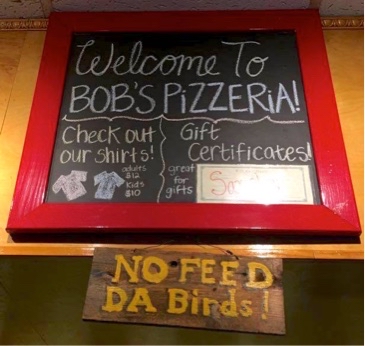
pizza restaurant
6462
United States
Chicago
—
6718
United States
Westville
—
15678
United States
Tucson
Bella B.
Casa Valencia es un restaurante que tiene comida como mariscos
149054
United States
Warwick
Spanish and English
RILL
38974
United States
Kailua
—
Multilingual Hawaiʻi
46142
United States
Honolulu
it's funny
Multilingual Hawaiʻi
47166
United States
Aiea
SU: Check Up #3
- What languages are used on the sign?:
The language that is used on the sign is Hawaiian.
- How is the language presented?:
The Hawaiian word “aloha” is presented backwards and upside down in all white letters.
- Who is the audience?:
The audience is the general public, but would probably be more directed towards locals.
- What is the domain?:
The domain is above a clothing store in Aiea in a public shopping center.
- What is the sign telling people?:
The Hawaiian word, “aloha”, is a form of greeting to say hello, welcome and is also a form of farewell or to say goodbye. It also means the presence of breath or breath of life as “alo” means “presence” or “share” and “ha” means “breath of life” or “essence of life”.
- Why is Pidgin/Hawaiian being used here?:
Hawaiian is being used here to catch the attention of the locals as they pass by the store.
 Lingscape