Lingscape
Lingscape Public Image Repository
About the project | Project list | Taxonomies | License

Filter data

ID Nickname Country / City Languages Taxonomies Comment Project / Group Map
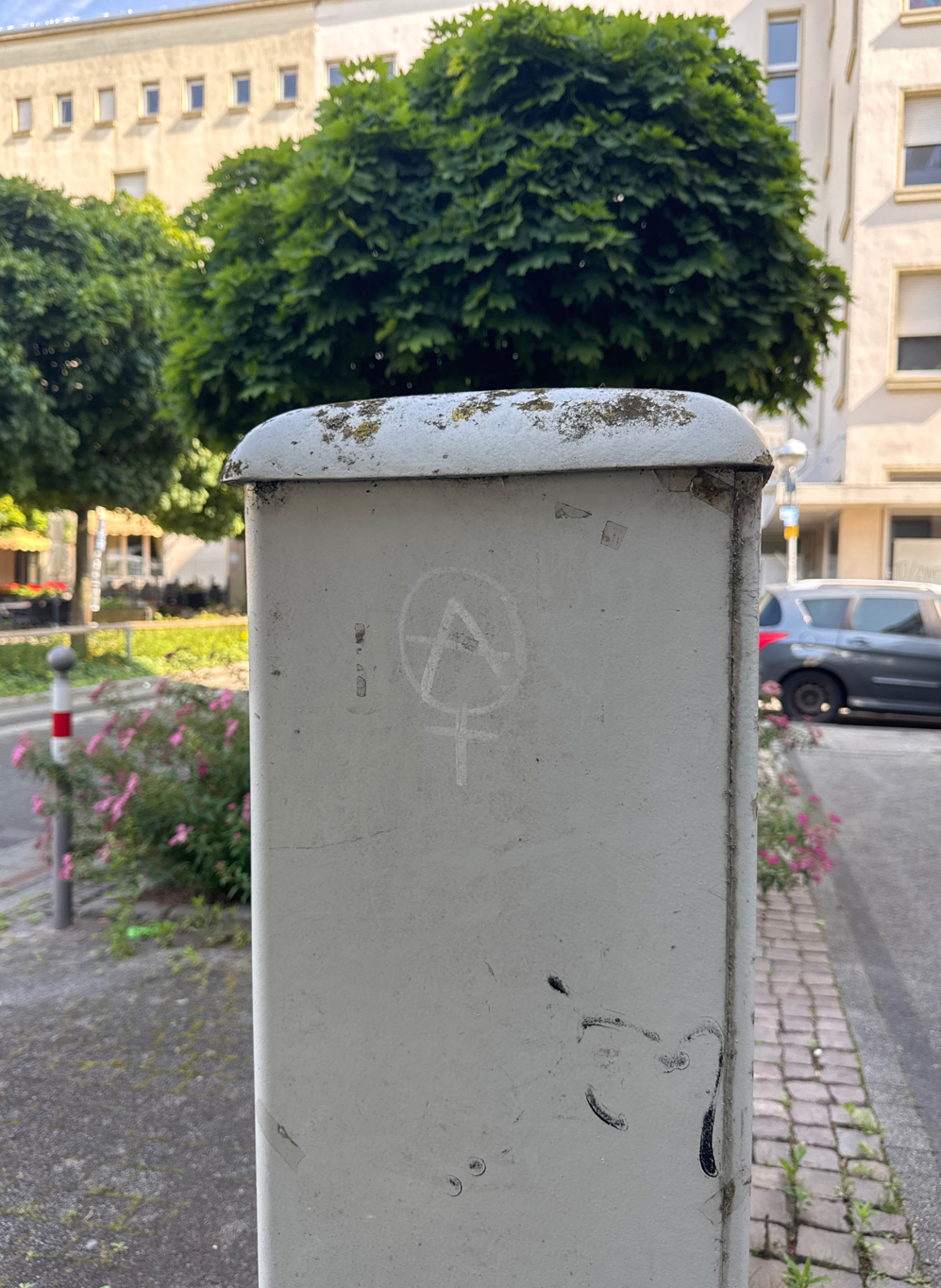
Pin 80599 Deutschland Karlsruhe
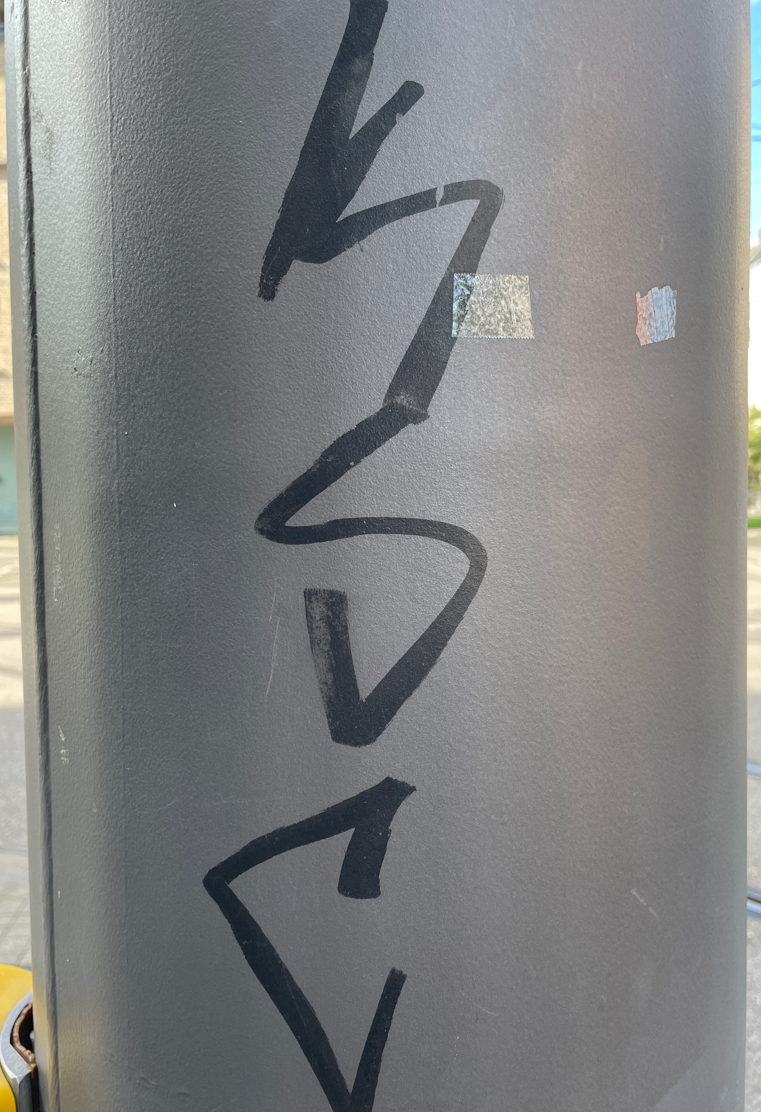
KAGraffiti
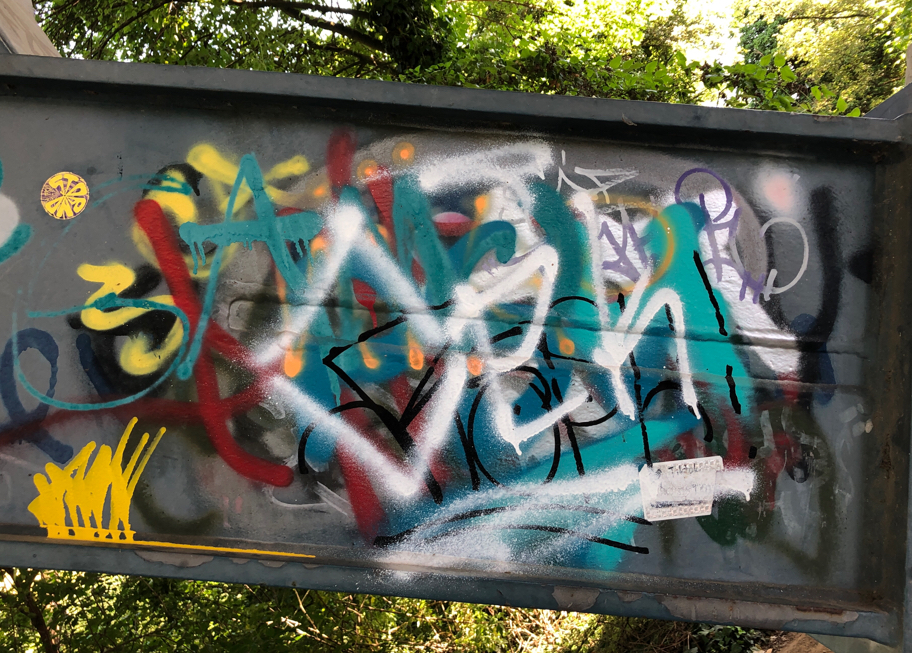
Pin 81111 Deutschland Karlsruhe
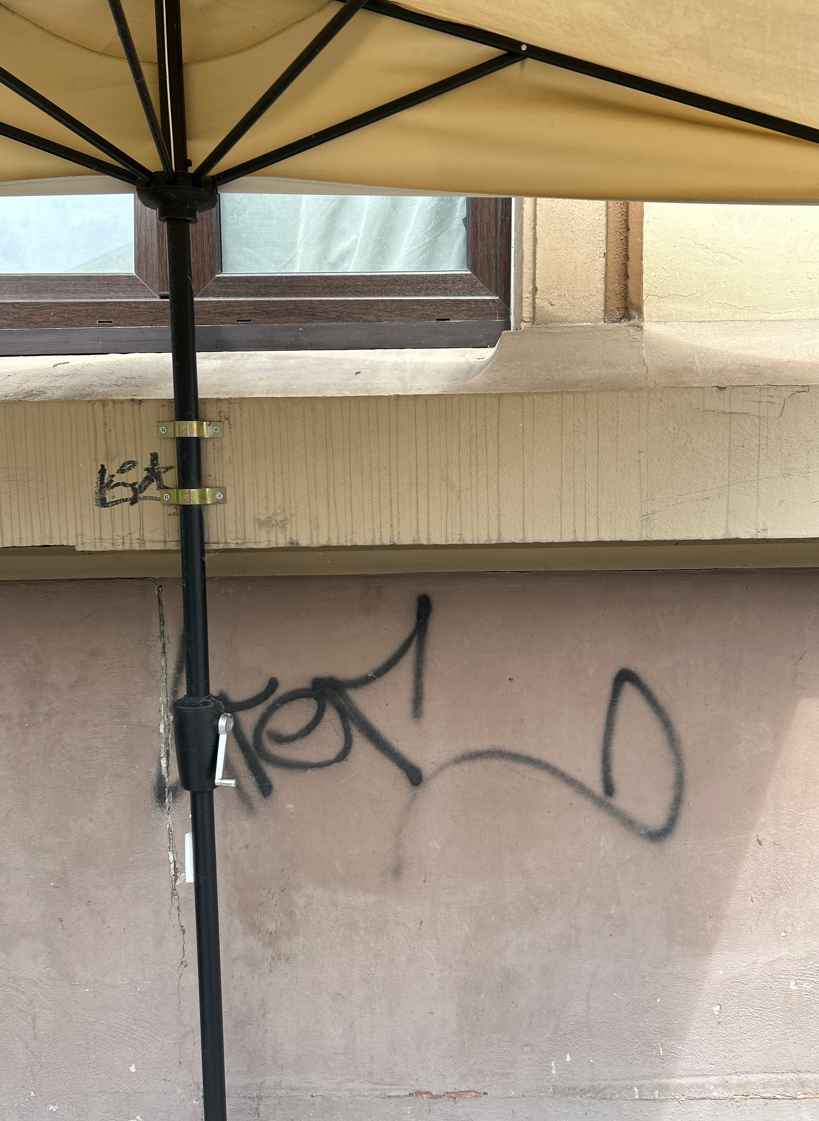
KAGraffiti
Pin 16343 Deutschland Überlingen
Deutsch (German)
&Badisch
Pin 147671 Deutschland Mannheim
Deutsch (German) English (English)
Pin 148183 Julia__U Deutschland Frankfurt (Oder)
Deutsch (German) English (English) Polski (Polish)
informatory top-down duplicating positioning typeface institution
ID_NEW
Pin 17623 Deutschland München
Deutsch (German)
Ein nettes kleines u TypeWalk
Pin 148951 LaGringa Deutschland Potsdam
Hörsaal Haus 5
Pin 150999 Deutschland Dortmund
English (English)
$SiR #transgressiv
Pin 85975 Deutschland Mannheim
English (English)
writing standard
Sprach-Checker
Pin 153303 Deutschland Dresden
Deutsch (German)
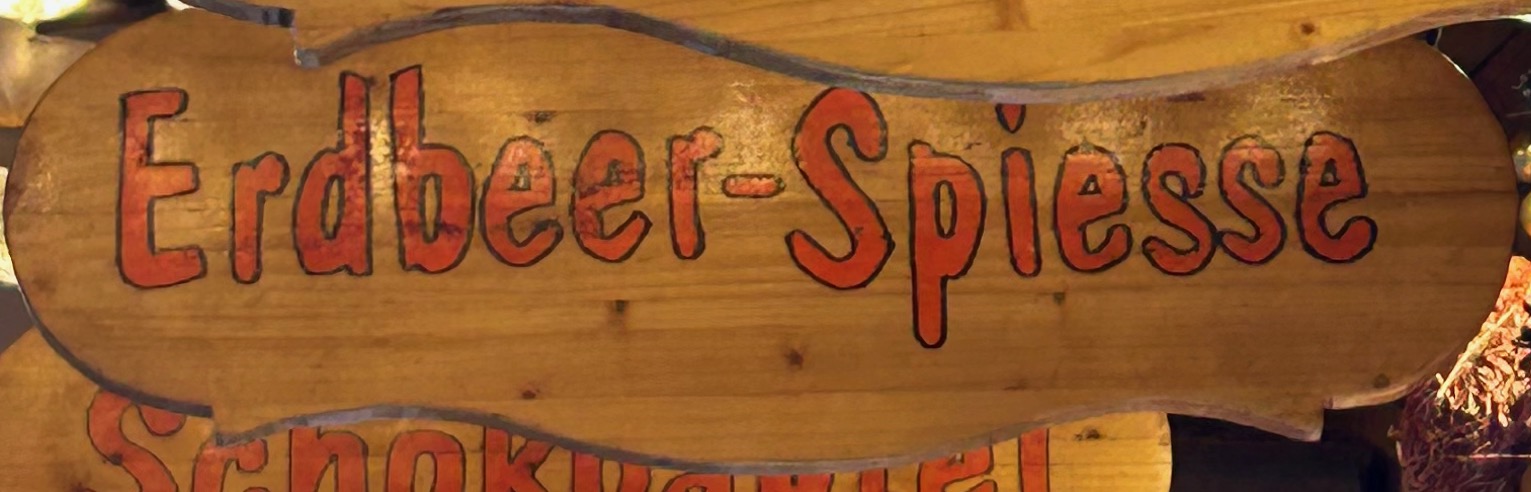
authorized commercial glass handwritten monolingual A3 – 1m² wall
DEXmasMarkets
Pin 24023 Deutschland Berlin
Dansk (Danish) Deutsch (German) Français (French) Italiano (Italian) Lingua latina (Latin) Norsk (Norwegian) Svenska (Swedish) Türkçe (Turkish)
#Mensa #Guten Appetit
Pin 156119 Deutschland München
Türkçe (Turkish)
regulatory religious top-down latin poster monolingual
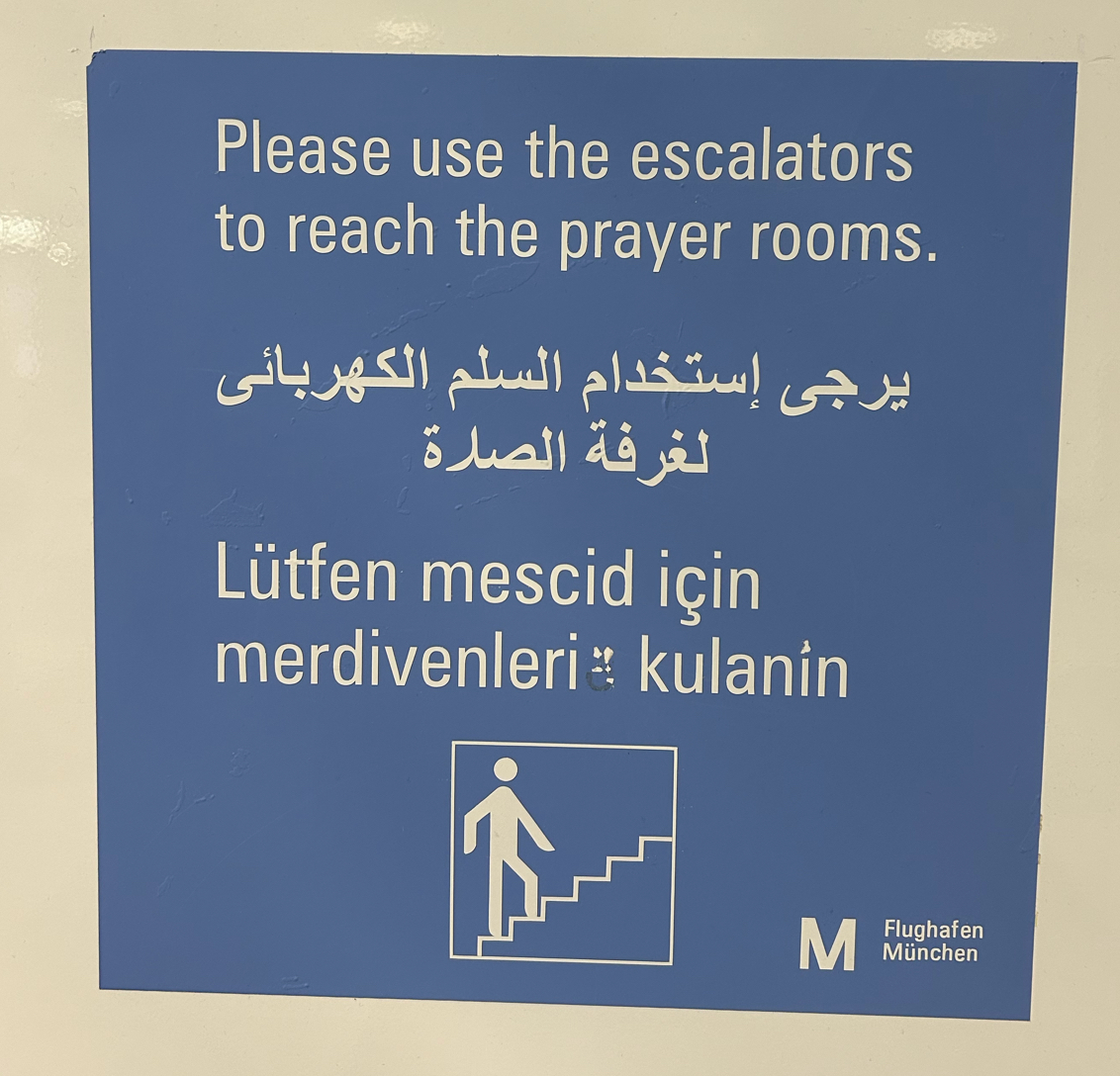
Deutsch Das Zeichen richtet sich primär an türkischsprachige Gemeindemitglieder und stellt eine Top-down-Initiative einer religiös-institutionellen Autorität (Diyanet) dar. Es bezeichnet eine regulatorische sowie religiös-normative Funktion und kann dem Typ institutionelle Verhaltens- bzw. Verbotsbeschilderung zugeordnet werden. Verwendet wird ausschließlich Türkisch („Lütfen dilencilere para vermeyin …“), wodurch eine gezielte Ansprache einer spezifischen sprachlich-religiösen Gemeinschaft erfolgt. Auffällig ist die starke moralisch-religiöse Rahmung der Botschaft, indem das Verhalten nicht nur reguliert, sondern explizit religiös bewertet wird („haramdır“), wodurch normative Autorität über religiöse Legitimation hergestellt wird. Hinsichtlich der Materialität und des Modus handelt es sich um ein gedrucktes, fest angebrachtes Schild im institutionellen Kontext. Die verwendete Schrift ist lateinisch; orthographische Abweichungen sind nicht zentral, vielmehr steht die diskursive Struktur im Vordergrund, die religiöse Argumentation mit Verhaltensregulierung verknüpft. English The sign is primarily directed at Turkish-speaking community members and represents a top-down initiative by a religious institutional authority (Diyanet). It denotes a regulatory as well as religious-normative function and can be classified as institutional behavioral or prohibition signage. The language used is exclusively Turkish (“Please do not give money to beggars …”), resulting in a targeted address to a specific linguistic and religious community. Notably, the message is strongly framed in moral and religious terms, as the behavior is not only regulated but explicitly evaluated through religious judgment (“haram”), thereby establishing normative authority through religious legitimation. In terms of materiality and mode, it consists of a printed, fixed sign in an institutional setting. The script used is Latin; orthographic features are not central here, as the discursive structure foregrounds the link between religious reasoning and behavioral regulation. Visible Turkish
Pin 26071 Deutschland Lübeck
Plattdüütsch (Low German)
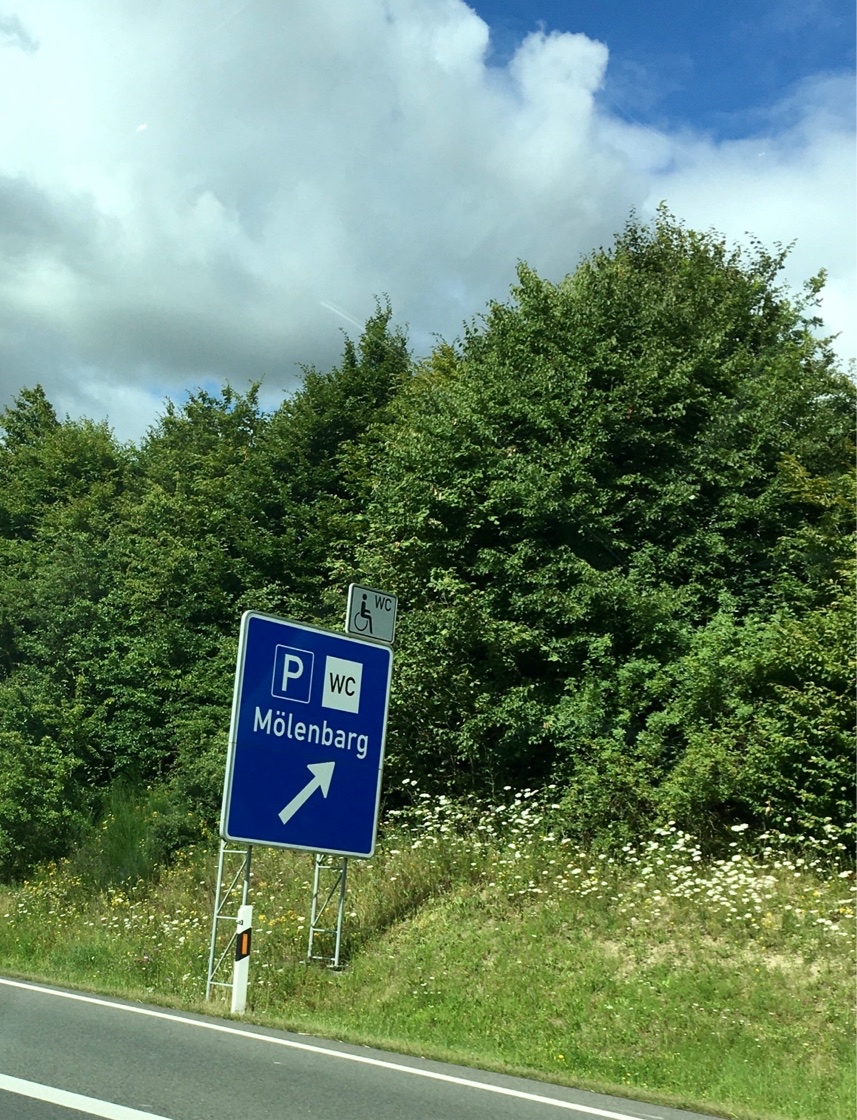
Pin 27095 Deutschland Weilheim in Oberbayern
Deutsch (German)
Aus und vorbei…
Pin 100311 LMA Deutschland Karlsruhe
KAGraffiti
Pin 100567 LRA Deutschland Karlsruhe
KAGraffiti
Pin 100823 ISA Deutschland Karlsruhe
KAGraffiti
Pin 37591 Deutschland Tönisvorst
Deutsch (German)
Pin 38359 Deutschland Nürnberg
Deutsch (German)
Pin 42199 Deutschland Quedlinburg
Deutsch (German)