Lingscape
Lingscape Public Image Repository

About the project | Project list | Taxonomies | License

Filter data

ID Nickname Country / City Languages Taxonomies Comment Project / Group Map
Pin 148184 Alina2502 Deutschland Frankfurt (Oder)
Deutsch (German) Polski (Polish)
informatory political top-down duplicating positioning authority institution
ID_NEW
Pin 148952 LaGringa Deutschland Potsdam
Pin 151000 Deutschland Dortmund
$SiR #infrastrukturell
Pin 85976 Deutschland Mannheim
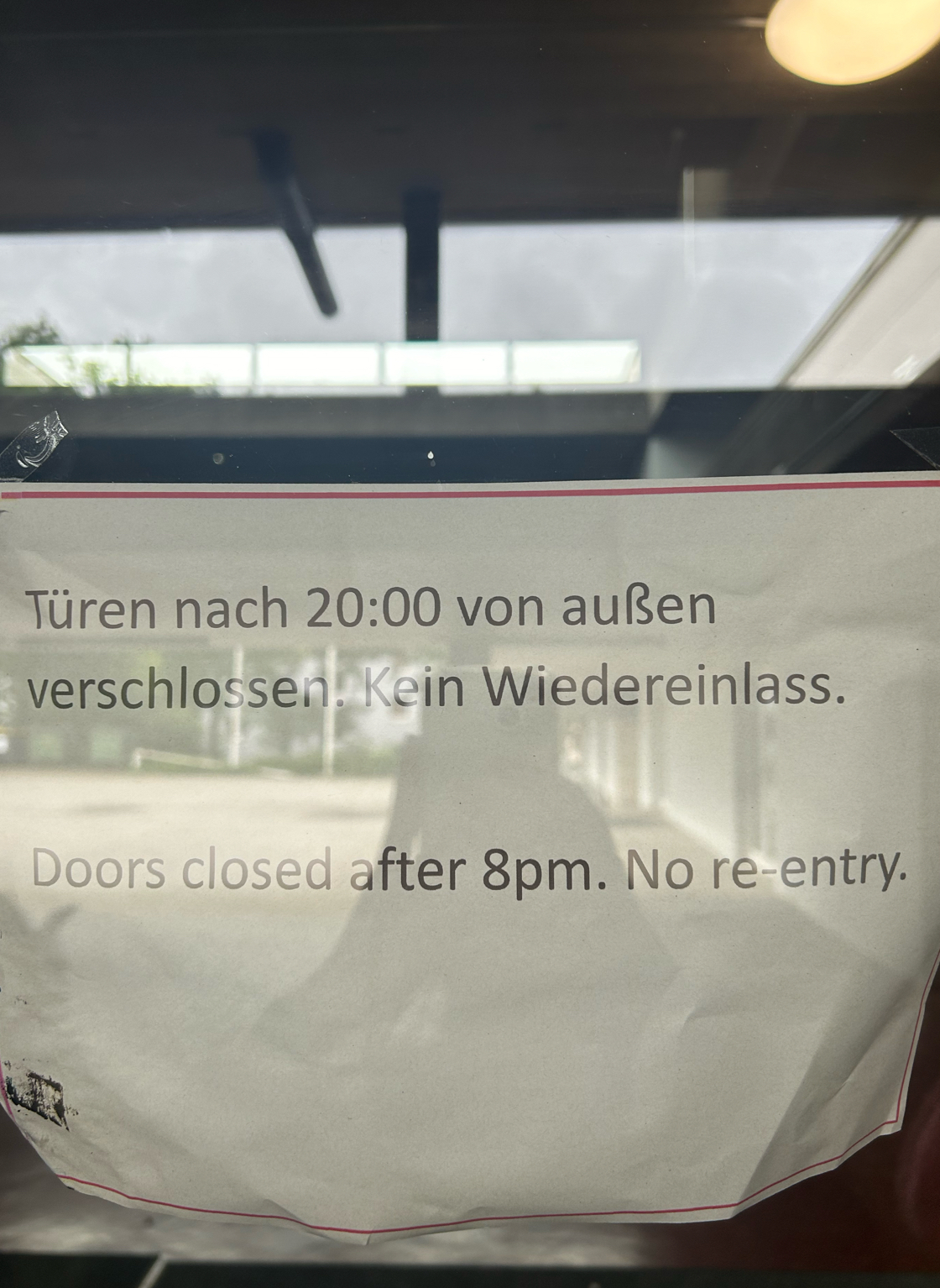
Deutsch (German) English (English)
writing standard
Id 5 Gruppe 1 Sprach-Checker
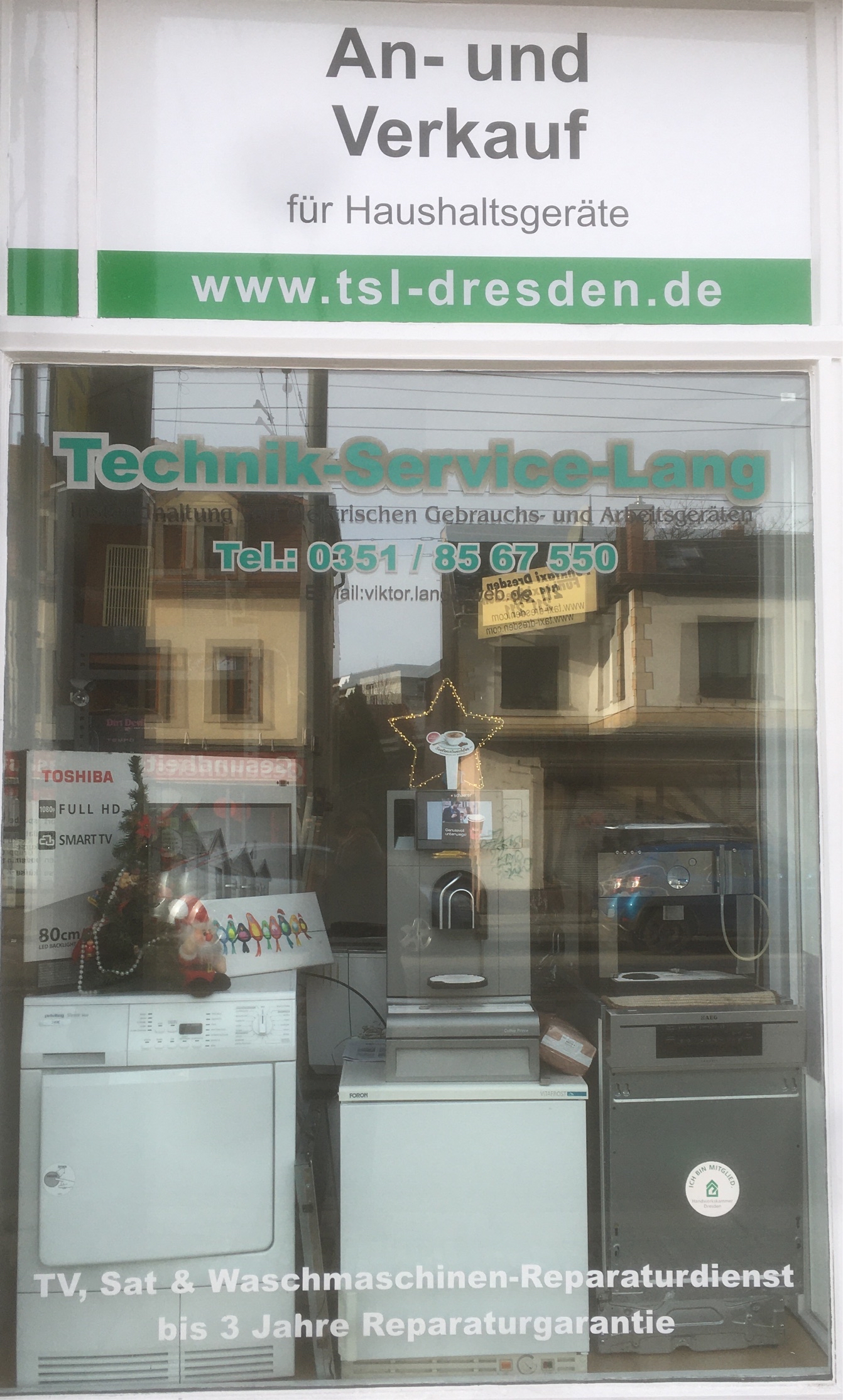
Pin 153304 Deutschland Dresden
Deutsch (German)
authorized commercial glass handwritten monolingual A3 – 1m² wall
DEXmasMarkets
Pin 89304 Deutschland Köln
Deutsch (German) Español (Spanish)
La esquina - die Ecke, Tapas Bar an der Ecke, Eingangsschild Español en Colonia
Pin 156120 Deutschland München
Deutsch (German) Türkçe (Turkish)
infrastructural top-down latin sticker bilingual
Deutsch Das Zeichen richtet sich an ein breites öffentliches Publikum und stellt eine Top-down-Initiative einer religiösen Organisation (DITIB) dar. Es bezeichnet eine informative sowie institutionell-identifizierende Funktion und kann dem Typ institutionelle Beschilderung zugeordnet werden. Verwendet werden Deutsch („Türkisch Islamische Gemeinde e.V.“) sowie ein türkisch geprägter Eigenname („Mehmed Akif Camii“), wodurch eine spezifische Form institutioneller Mehrsprachigkeit entsteht. Deutsch fungiert als offizielle und rechtlich-administrative Sprache der Institution im deutschen Kontext, während der türkische Bestandteil primär identitätsstiftend wirkt und die religiös-kulturelle Zugehörigkeit markiert. Auffällig ist die Verwendung einer historisch-osmanisch anmutenden Namensform („Mehmed“ statt „Mehmet“), die eine symbolische Verbindung zu religiös-kultureller Tradition herstellt. Hinsichtlich der Materialität und des Modus handelt es sich um ein fest installiertes Schild an einer Gebäudestruktur (Briefkasten/Haustafel). Die verwendete Schrift ist lateinisch; orthographische Besonderheiten sind weniger funktional als vielmehr symbolisch motiviert und verweisen auf eine bewusste stilistische Wahl im Spannungsfeld von Sprache und Tradition. English The sign is directed at a broad public audience and represents a top-down initiative by a religious organization (DITIB). It denotes an informational and institutionally identificatory function and can be classified as institutional signage. The languages used include German (“Türkisch Islamische Gemeinde e.V.”) and a Turkish-derived proper name (“Mehmed Akif Camii”), resulting in a specific form of institutional multilingualism. German functions as the official and administrative language within the German context, while the Turkish element primarily serves as an identity marker, signaling religious and cultural affiliation. Notably, the use of the historically Ottoman-influenced name form (“Mehmed” instead of “Mehmet”) establishes a symbolic connection to religious-cultural tradition. In terms of materiality and mode, it consists of a fixed sign attached to a building structure (mailbox/entrance panel). The script used is Latin; orthographic features are less functional and rather symbolically motivated, reflecting a deliberate stylistic choice at the intersection of language and tradition. Visible Turkish
Pin 100312 MWI Deutschland Karlsruhe
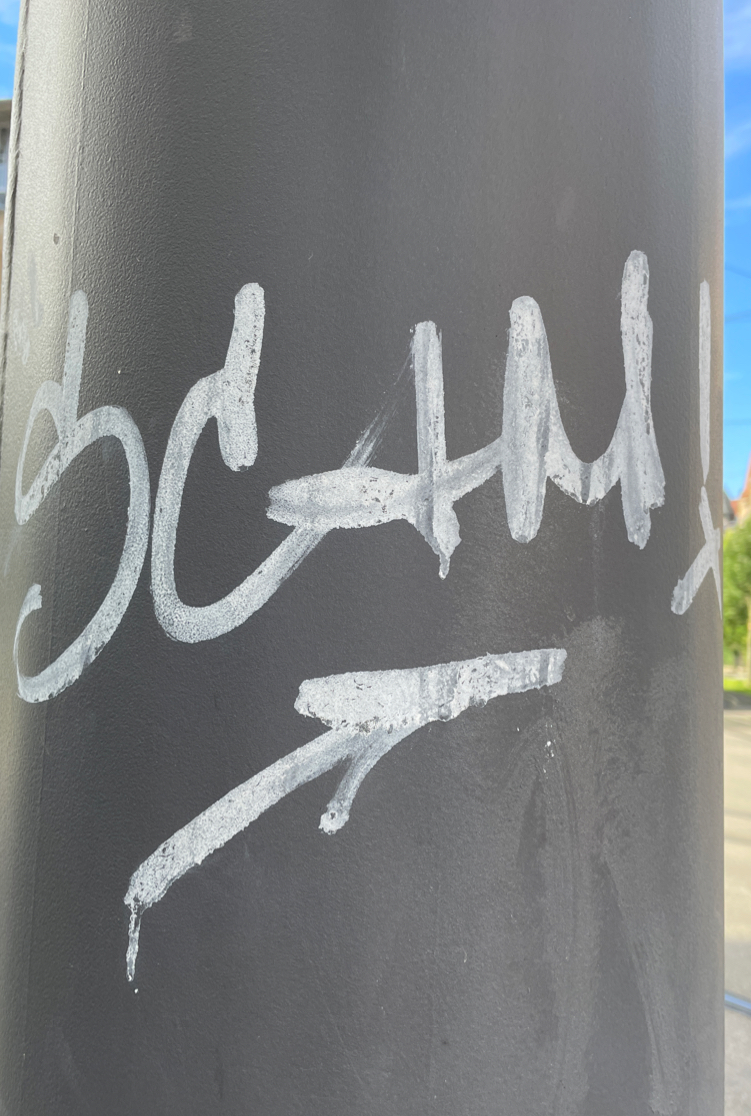
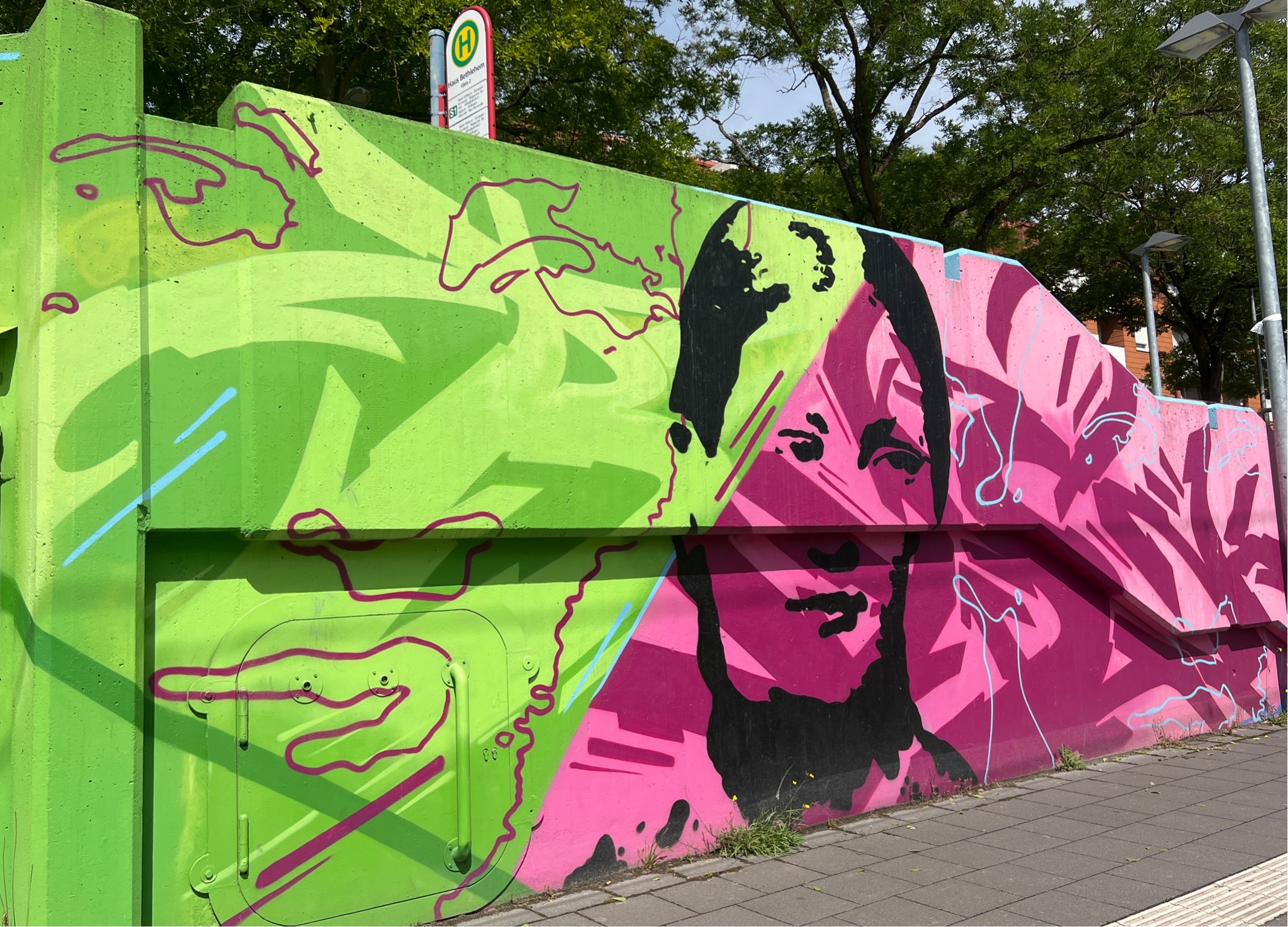
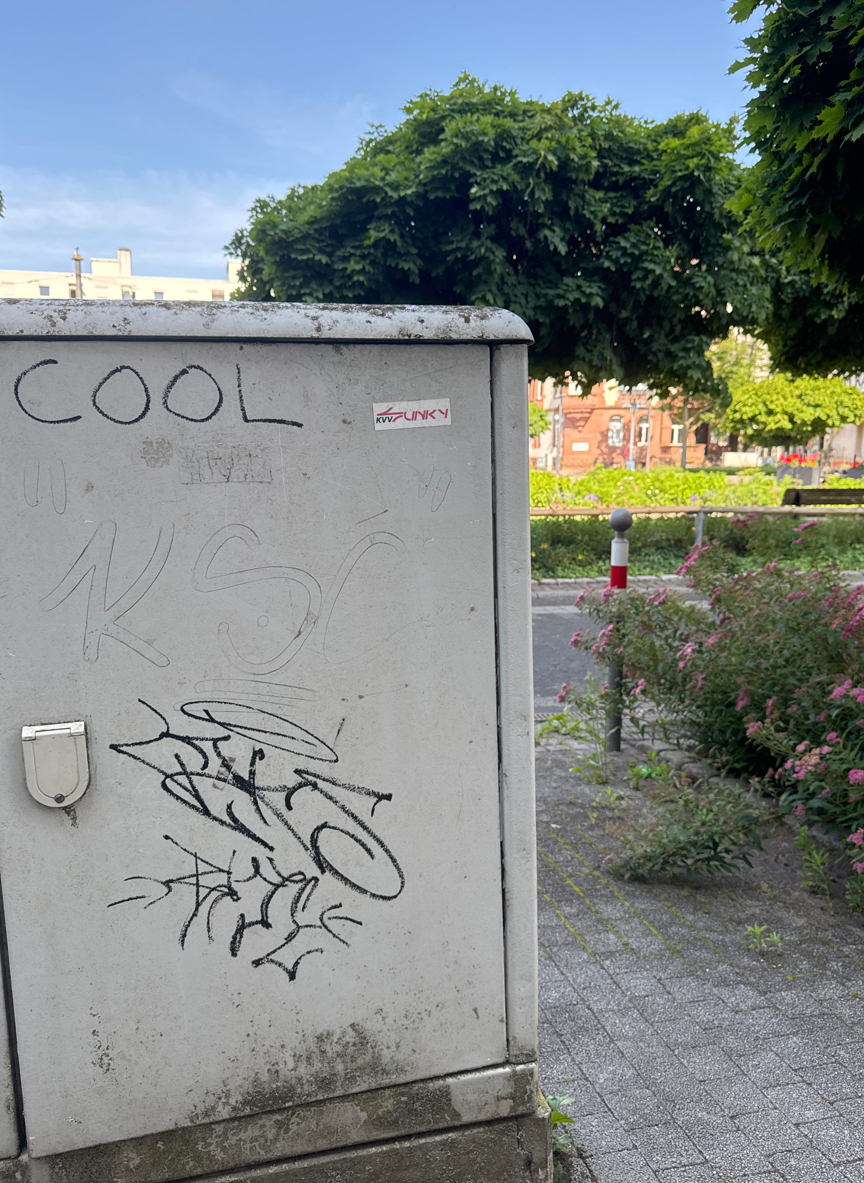
KAGraffiti
Pin 100568 LRA Deutschland Karlsruhe
KAGraffiti
Pin 100824 ISA Deutschland Karlsruhe
KAGraffiti
Pin 37592 Deutschland Tönisvorst
Deutsch (German)
Pin 38360 Deutschland Nürnberg
Deutsch (German) English (English)
Pin 42456 Deutschland Jena
Deutsch (German)
%2020
Pin 59864 Deutschland Karlsruhe
KAGraffiti
Pin 60120 Deutschland Karlsruhe
KAGraffiti
Pin 60632 Deutschland Karlsruhe
KAGraffiti
Pin 61656 Deutschland Karlsruhe
graffiti
KAGraffiti
Pin 62168 Deutschland Karlsruhe
KAGraffiti
Pin 985 Deutschland Frankfurt am Main
Deutsch (German)
Pin 132313 YRA Deutschland Karlsruhe