Lingscape
Lingscape Public Image Repository

About the project | Project list | Taxonomies | License

Filter data

ID Nickname Country / City Languages Taxonomies Comment Project / Group Map
Pin 146413 Naomi_Heller Spain València
Valencia
Pin 146669 Naomi_Heller Spain València
Valencia
Pin 146925 Naomi_Heller Spain València
Valencia
Pin 147181 alex_analyzing stickers_unibe Spain València
Valencia
Pin 129005 Spain Zamora
Español (Spanish)
Pin 135918 Laura_Pizarro_Jacinto Spain Cáceres
Español (Spanish)
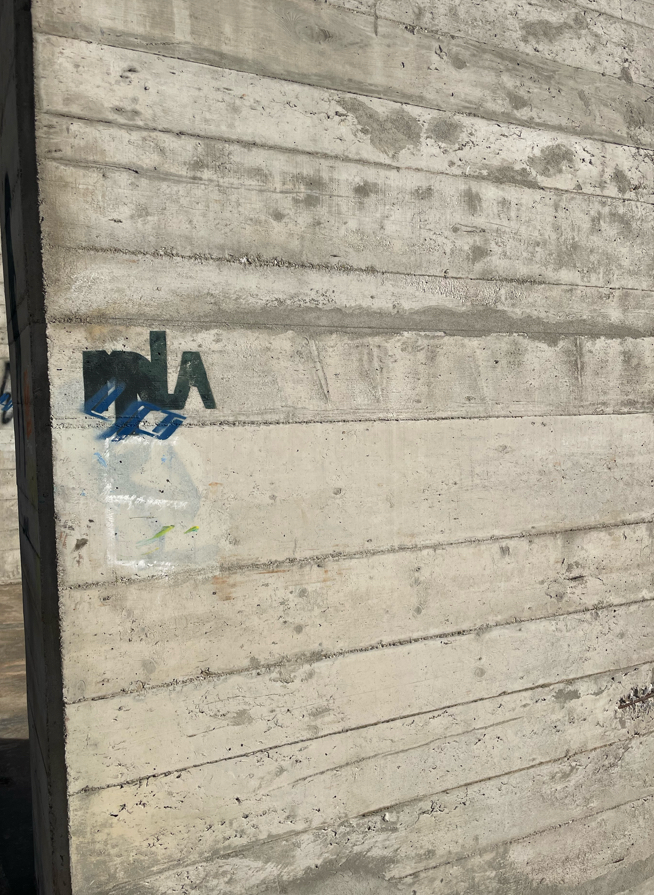
PALRA
Pin 136174 Laura_Pizarro_Jacinto Spain Cáceres
Deutsch (German) English (English) Français (French) Português (Portuguese) Español (Spanish) Other language
This interpretive panel, titled “Cáceres en sus Palacios: Las principales familias cacereñas”, is part of the Museo de Semana Santa de Cáceres exhibition. It focuses on noble lineages and heraldry in Cáceres, using coats of arms as visual markers of family identity and continuity. Upper Section: The title situates the theme: the principal families of Cáceres. The text explains that coats of arms are present on many façades in the historic center, symbolizing the city’s noble past and the families who shaped it. A genealogical and heraldic chart occupies the center, with coats of arms belonging to prominent families such as los Golfines, los Carvajales, los Ovando, los Ulloa, and los Mogollones. Each shield is accompanied by explanatory notes describing the family’s origins, social role, and notable members (for instance, Nicolás de Ovando, governor of the Indies in 1509, or families who received kings and nobles in Cáceres). Middle Section: Multilingual text (Spanish, English, Portuguese, German, and French) offers translations of the main content. Each language is identified by its colored circle with initial (s, e, p, d, f). A Braille transcription band runs across the panel, ensuring that the narrative is accessible to visually impaired visitors. Lower Section: A section titled “Otros escudos” (Other coats of arms) displays photographs of additional heraldic emblems found on buildings across Cáceres. Each photograph is paired with a short explanation, situating these shields within their architectural and historical context. Decorative flourishes reinforce the heraldic theme, visually linking text, symbols, and imagery. PALRA
Pin 136430 Laura_Pizarro_Jacinto Spain San Martín de Trevejo
Fala (Fala) Español (Spanish)
authorized informatory infrastructural operative regulatory top-down linguistic duplicating metal positioning embossed street sign fixed permanent bilingual A3 – 1m² complete symbol-text wall authority
PALRA | Documenting Living Languages in Western Iberia SM | San Martín de Trevejo Corpus ID : 126 -136430 Semiotic Resources (TS) / Composition (LL) : symbol+ text (municipal crest) Translational Agency (TS) / Directedness (LL) : top-down (municipal authority) Discursive Framing (TS) / Discourse (LL) : infraestructural+informatory+regulatory (street naming, orientation) Translation Strategy (TS) / Distribution (LL) : duplicating (A Fala ↔ Spanish) Visibility / Linguistic Hierarchy (TS) / Dominance (LL) : positioning (A Fala on top, Spanish below, same typeface and size) Mobility (TS) / Dynamics (LL) : fixed (fixed plaque) Sign Type (TS) / Form (LL) : street sign Textual Integrity (TS) / Integrity (LL) : complete (legible and intact) Intertextuality (TS) / Layering (LL) : linguistic Multilingualism (TS) / Linguality (LL) : bilingual (A Fala + Spanish) Material (TS) / Material (LL) : metal Inscription (TS) / Mode (LL) : enamelled lettering Agents (TS) / Name (LL) : authority (municipal council) Placement (TS) / Placement (LL) : wall (mounted on building façade) Size (TS) / Size (LL) : A·-1m (small plaque) Status (TS) / Status (LL) : authorised (official signage) Paratext (TS) / Supplement (LL) : municipal crest (coat of arms) Temporality (TS) / Temporality (LL) : permanent Language Constellation (TS) / Languages (LL) : FAX (A Fala) + SPA (Spanish) Intersemiotic Elements (TS) / Non-Linguistic Semiotics (LL) : municipal crest Translation Mode (TS) / Translation Mode (LL) : interlingual (A Fala ↔ Spanish) Translational Silencing (TS) / Absence Marker (LL) : Yes (Extremaduran absent) Notes : This street sign illustrates municipal recognition of A Fala, with its placement above Spanish, reversing the usual hierarchy seen elsewhere. The inclusion of the municipal crest emphasises institutional authority, while the bilingual layout foregrounds the local language as primary in this context. PALRA
Pin 146158 Naomi_Heller Spain València
Valencia
Pin 146414 Naomi_Heller Spain València
Valencia
Pin 146670 Naomi_Heller Spain Valencia
Valencia
Pin 147182 alex_analyzing stickers_unibe Spain València
Valencia
Pin 28910 Spain Salamanca
English (English) Español (Spanish)
English name and text in the window display of a pizzeria #adv
Pin 135919 Laura_Pizarro_Jacinto Spain Cáceres
Español (Spanish)
Alphabetic language AT : Spanish institutional code, short for Apartamentos Turísticos (Tourist Apartments). This is a regulated accommodation category in Spain, marked with the official blue sign and key symbols. Pictorial / symbolic language Two key icons below the “AT” : non-verbal semiotic code. Keys = hospitality, lodging, tourism. The number of keys sometimes represents quality classification (similar to hotel stars). Non-linguistic cultural signage Traditional ceramic tiles with geometric and floral patterns : heritage aesthetics. These tiles are not “words,” but they communicate cultural identity. They anchor the modern tourism signage in the historic urban environment. PALRA
Pin 136175 Laura_Pizarro_Jacinto Spain Cáceres
Deutsch (German) English (English) Français (French) Português (Portuguese) Español (Spanish) Other language
This image shows the two interpretive panels of the “Cáceres en sus Palacios” section in the Museo de Semana Santa de Cáceres. Together, they narrate the story of the city’s noble palaces and heraldic traditions, situating architecture and lineage at the heart of Cáceres’ identity. Left Panel – “Las Casas Palacio, hoy” (The Palatial Houses Today): Explores the survival of noble palaces in Cáceres and their integration into the modern city. A map of the historic center connects to illustrated branches leading to specific palaces, such as the Palacio de Carvajal, Palacio de los Golfines, Palacio de Moctezuma, and Palacio de Hernando de Ovando. Each palace is accompanied by an image, short historical description, and heraldic reference. A section at the bottom, “Otras casas de la hidalguía local”, shows a gallery of smaller noble houses, emphasizing the abundance of aristocratic architecture in Cáceres. Right Panel – “Las principales familias cacereñas” (The Principal Families of Cáceres): Focuses on heraldry as a symbol of lineage and identity. A central heraldic chart displays the coats of arms of prominent families such as the Carvajales, Ovandos, Golfines, Ulloa, Mogollones, and others. Explanatory notes situate these families in local and global history (e.g., Nicolás de Ovando, governor of the Indies in 1509). The lower section, “Otros escudos”, includes photographs of additional coats of arms found on façades across the city, turning the streetscape into an archive of noble identity. Accessibility and Multilingualism: Both panels provide texts in Spanish, English, Portuguese, German, and French, marked with colored initials (s, e, p, d, f). A wide Braille transcription band ensures accessibility for visually impaired visitors, making inclusivity a central design principle. PALRA
Pin 136431 Laura_Pizarro_Jacinto Spain San Martín de Trevejo
Español (Spanish)
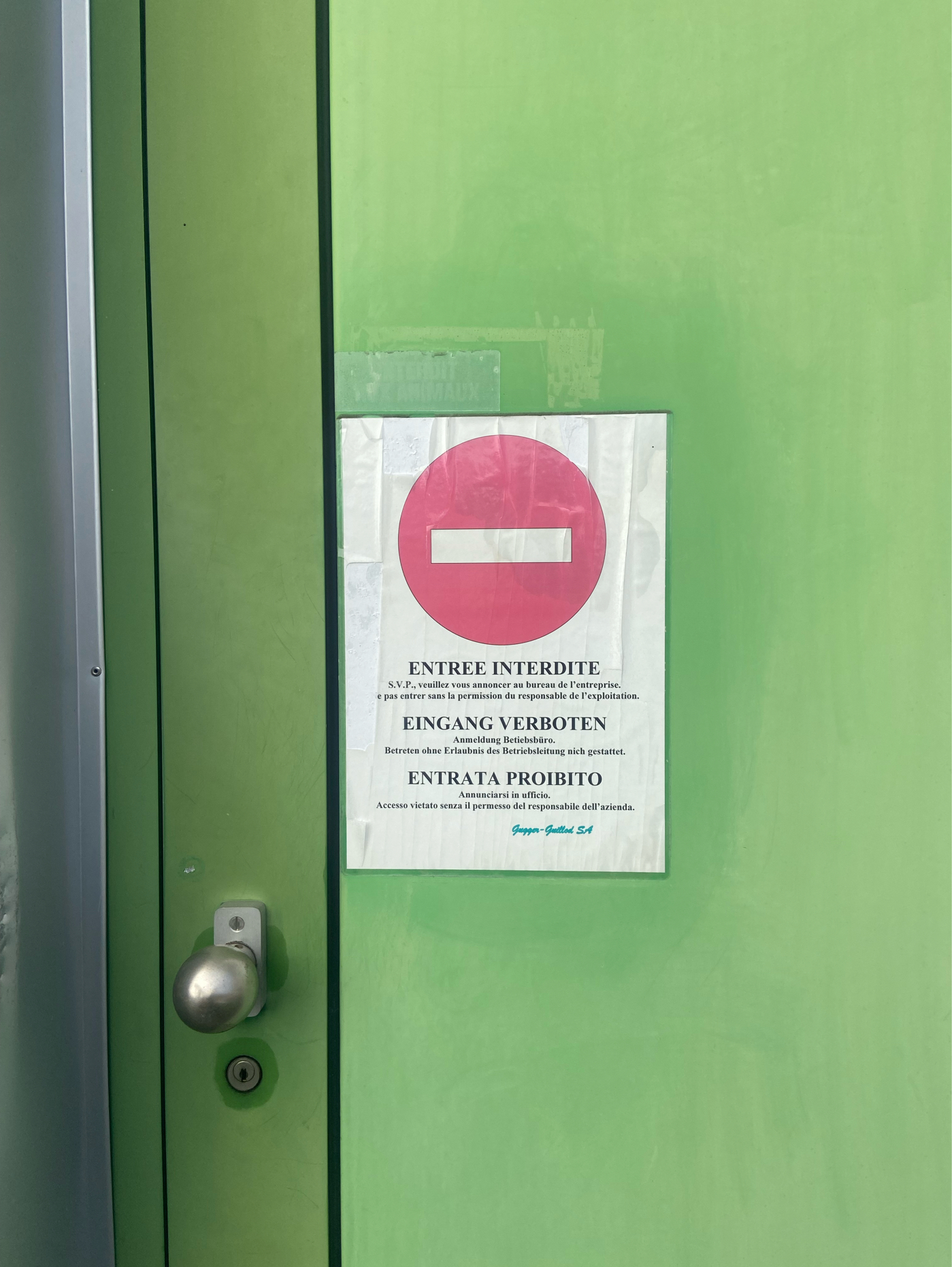
authorized informatory operative bottom-up paper size printed note fixed ephemeral monolingual other A5 – A4 complete text door business
PALRA | Documenting Living Languages in Western Iberia SM | San Martín de Trevejo Corpus ID : 127 -136431 PALRA
Pin 146159 Naomi_Heller Spain Valencia
Valencia
Pin 146415 Naomi_Heller Spain València
Valencia
Pin 146671 Naomi_Heller Spain Valencia
Valencia
Pin 146927 Naomi_Heller Spain València
Valencia