|
ID |
Nickname |
Country / City |
Languages |
Taxonomies |
Comment |
Project / Group |
Map |
|
156457
|
gabikolani
|
United States
Honolulu
|
|
|
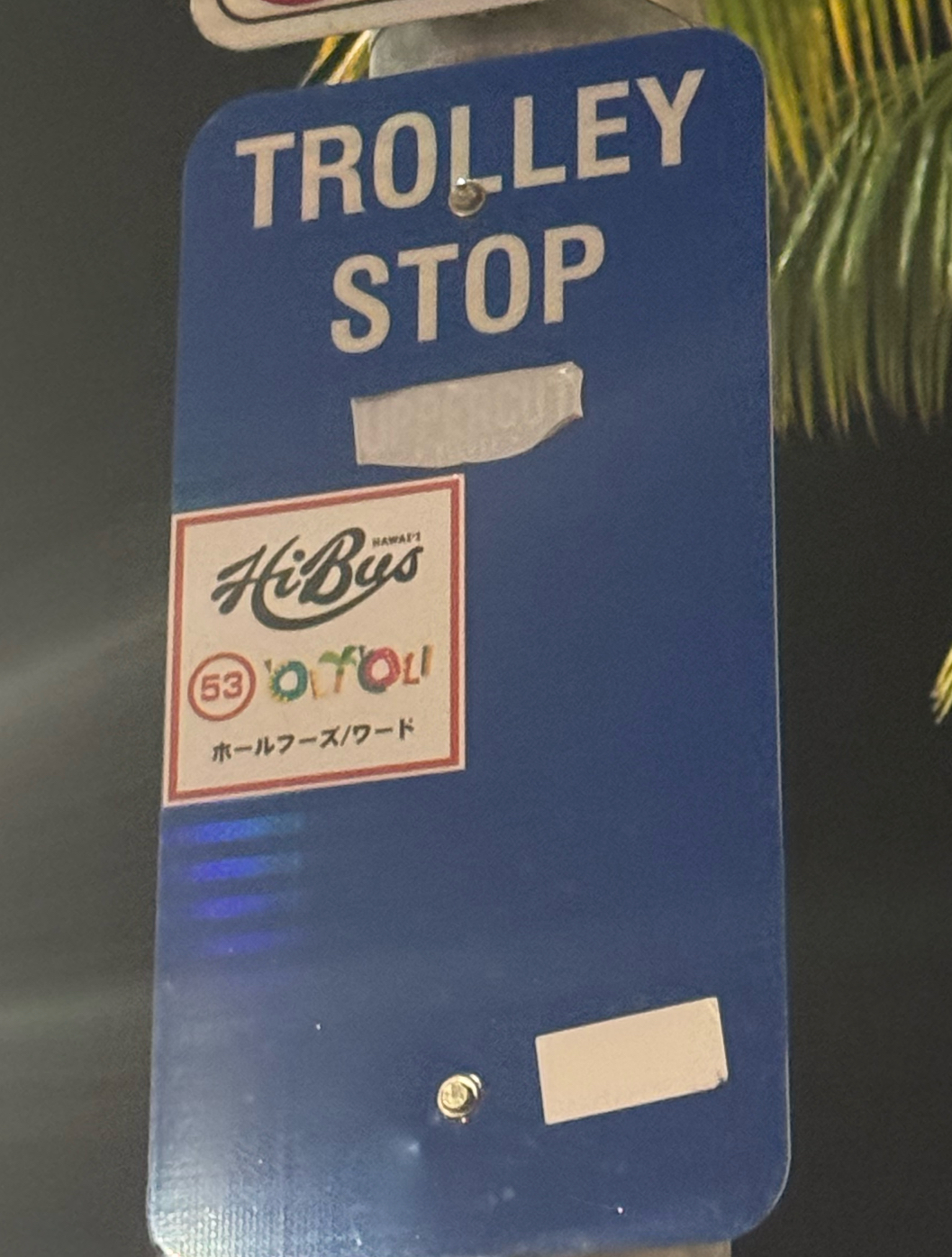
Multilingual trolley stop. 'Oli'oli means joyful, happy, glad, or delightful. It does not mean trolley in Hawaiian.
|
Multilingual Hawaiʻi
|
|
|
156456
|
gabikolani
|
United States
Honolulu
|
|
|
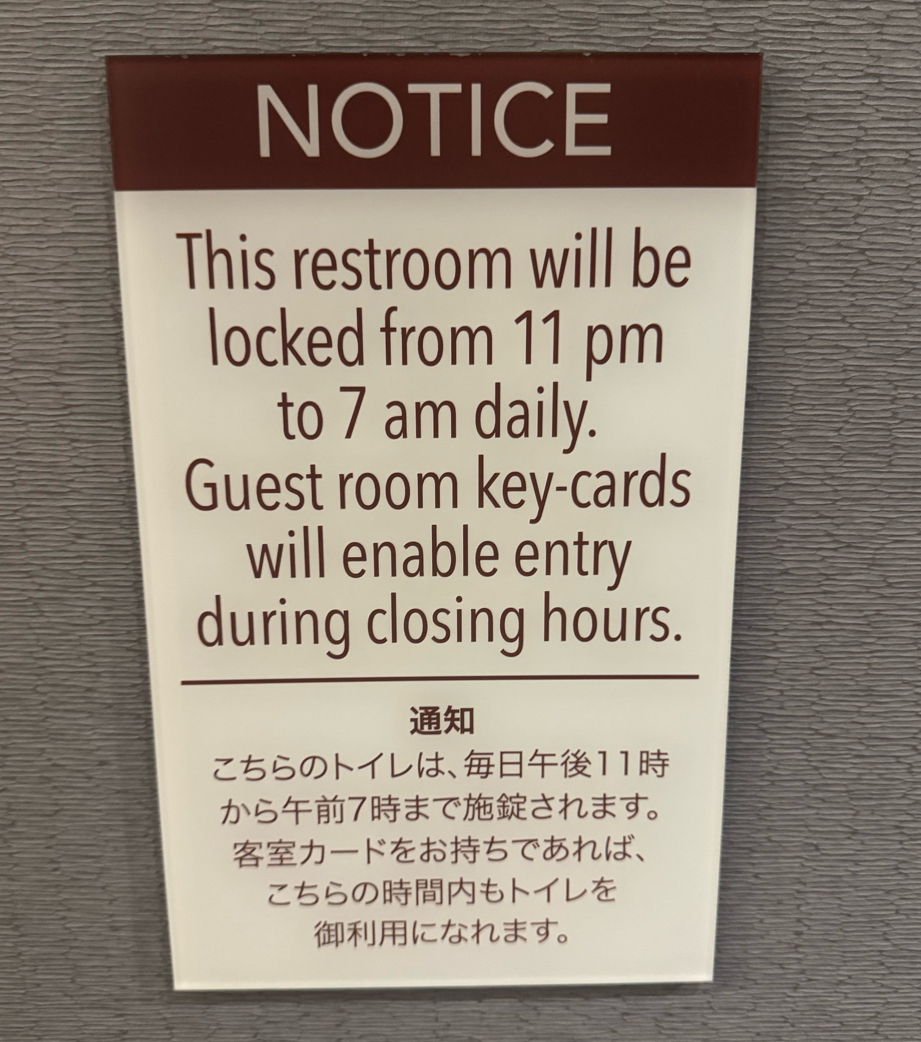
Notice about restroom access in English and Japanese at Ala Moana Hotel.
|
Multilingual Hawaiʻi
|
|
|
156455
|
gabikolani
|
United States
Honolulu
|
|
|
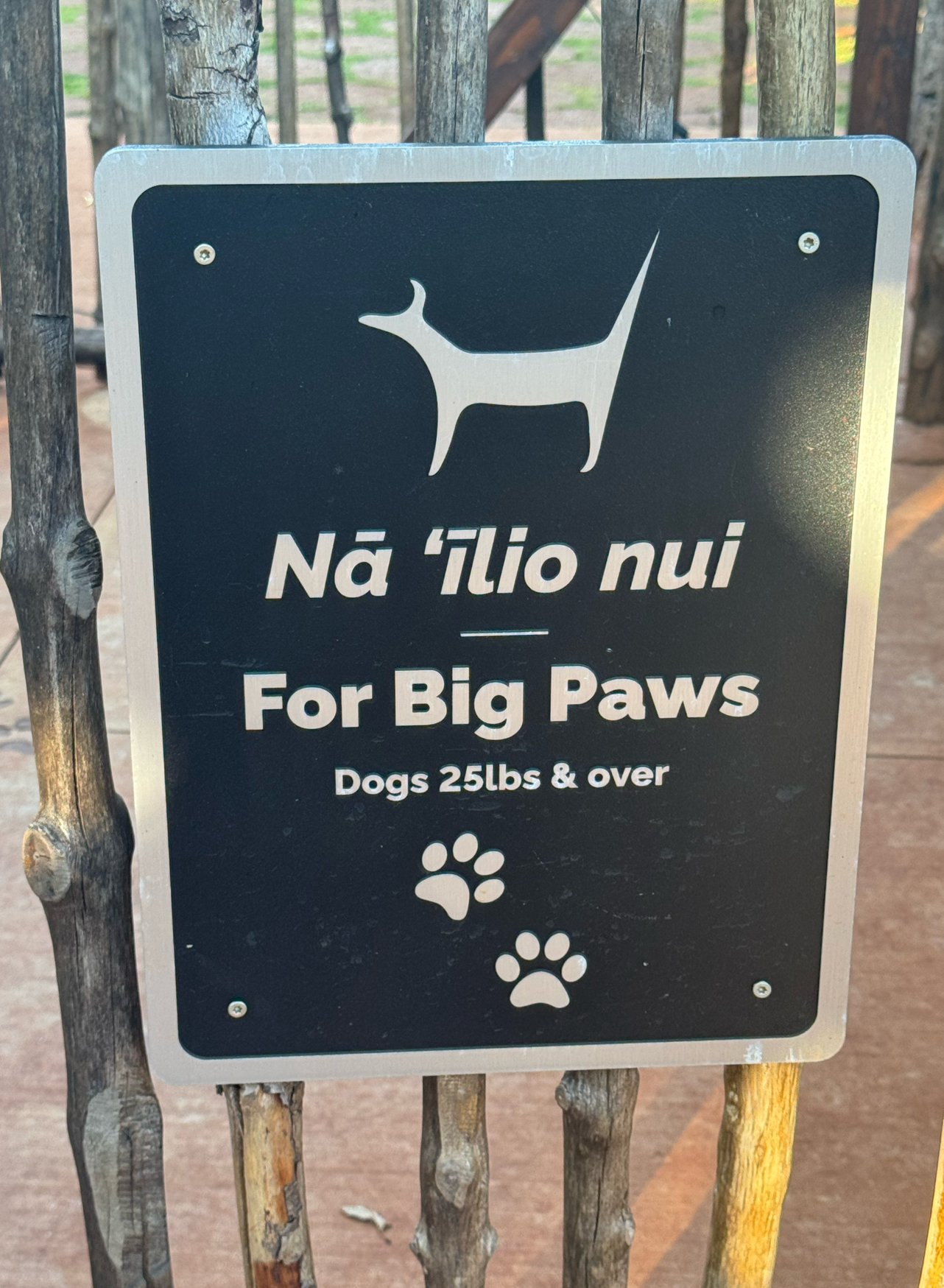
Signage in Hawaiian and English at Kolowalu Dog Park.
|
Multilingual Hawaiʻi
|
|
|
156454
|
gabikolani
|
United States
Honolulu
|
|
|
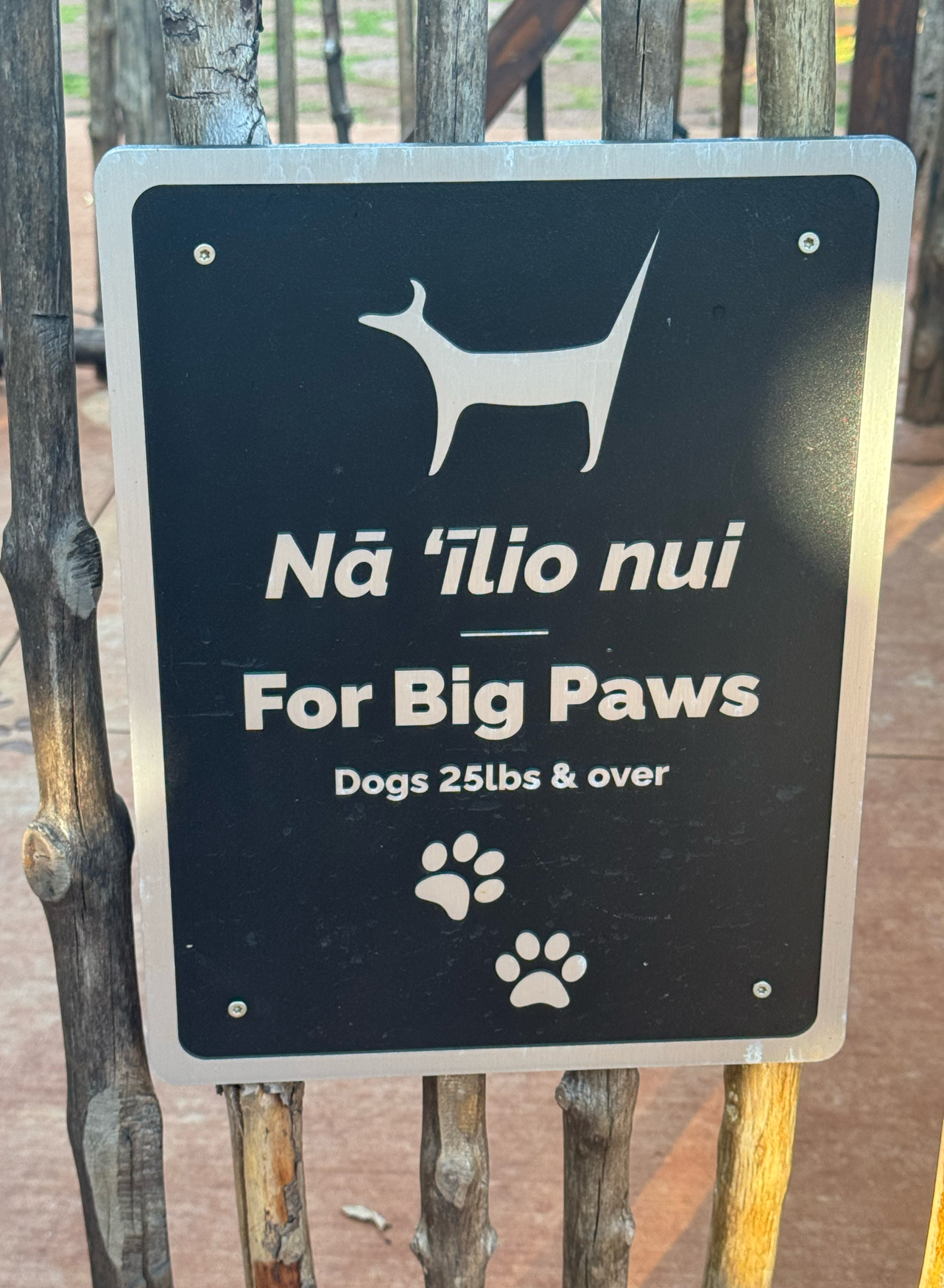
Signage in Hawaiian and English at Kolowalu Dog Park.
|
Multilingual Hawaiʻi
|
|
|
156233
|
CheyenneH
|
United States
Honolulu
|
|
|
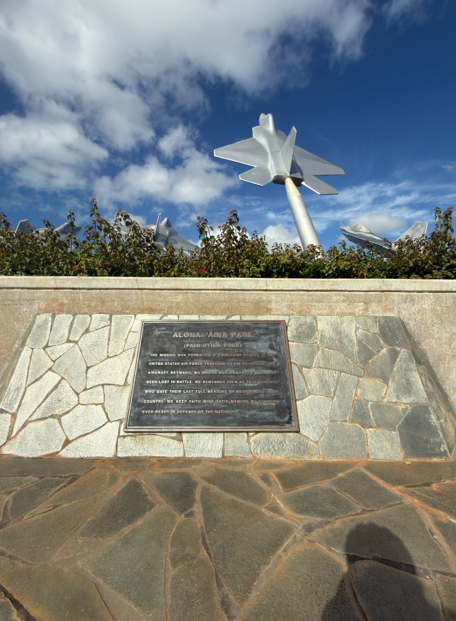
—
|
Multilingual Hawaiʻi
|
|
|
154893
|
Amelia O
|
United States
Honolulu
|
|
|
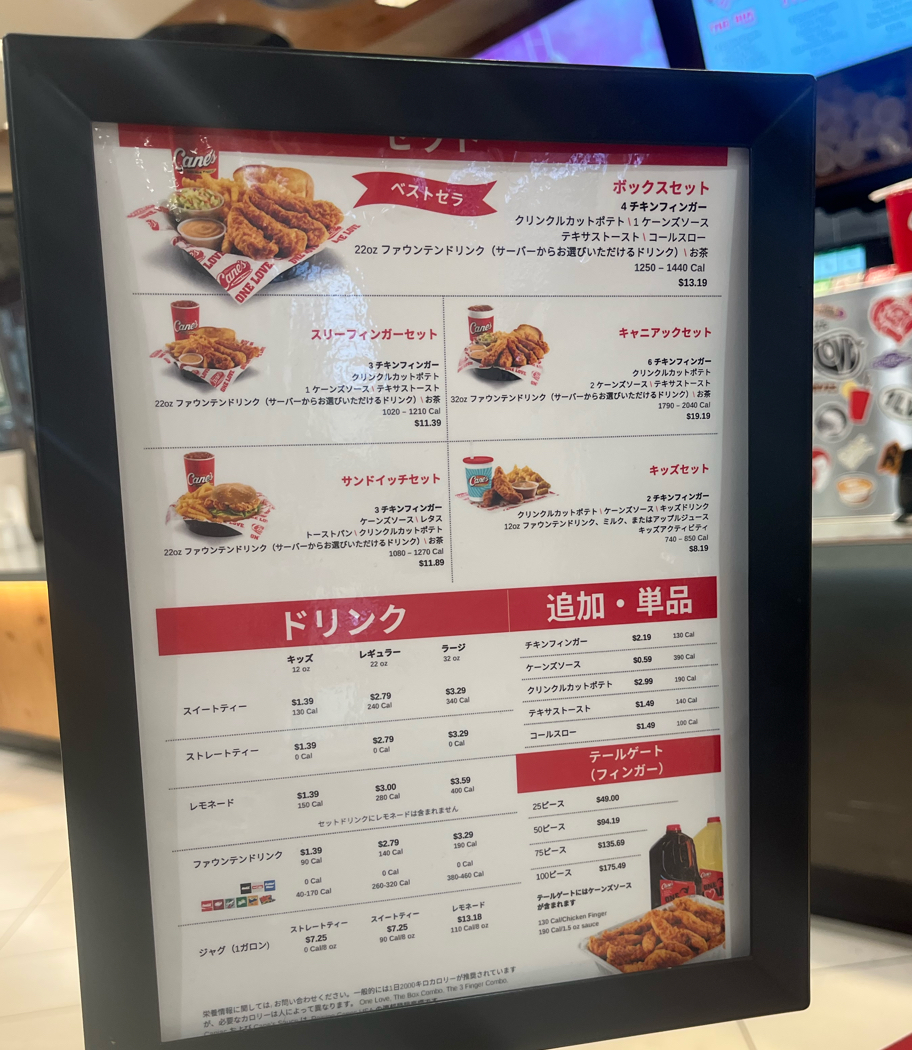
Normally, I am used to seeing QR codes that link to digital menus in other languages, so I was very surprised when I saw this physical stand in full Japanese at the Ala Moana Cane’s location. I took a moment to think about how many international visitors I see at Ala Moana daily. I realized I had not really thought about why multiple languages appear on menus. Taking this photo made me realize that multilingual signage is used to welcome different groups of people. I thought about how businesses here adapt to different communities to reflect the diversity in Hawaii.
|
Multilingual Hawaiʻi
|
|
|
154892
|
Amelia O
|
United States
Honolulu
|
|
|
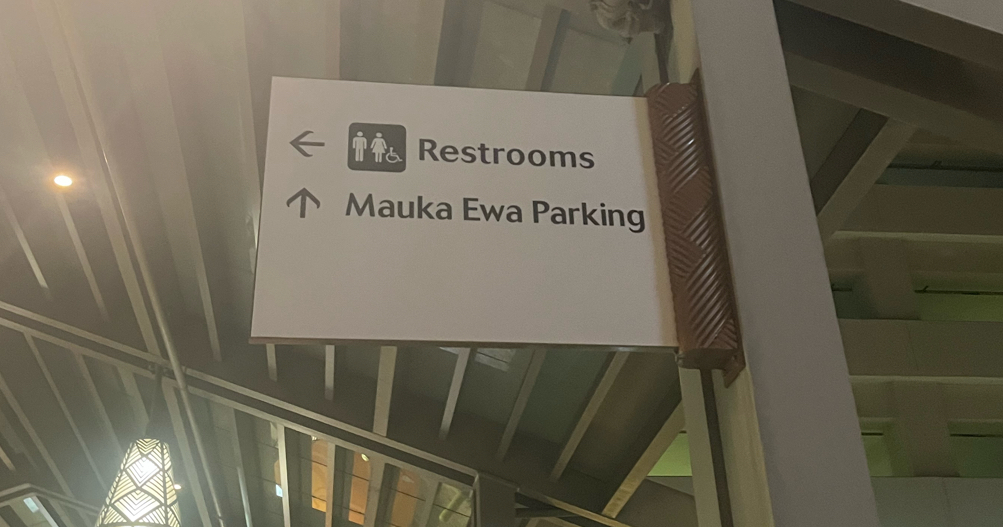
I took this photo of directions in ʻŌlelo Hawaiʻi at Ala Moana Shopping Center. “Mauka” means “towards the mountains” in ʻŌlelo, and “Ewa” can refer to the Western direction. This example stood out to me because it reflects efforts to revitalize the Hawaiian language in public spaces. Since Hawaiian was once banned in schools, seeing it used publicly today helps normalize and celebrate Hawaiian culture. I thought about how many visitors/tourists go to Ala Moana. Having these ʻŌlelo directions in public encourages people to learn and recognize the language. It showed me how public signage can help preserve language.
|
Multilingual Hawaiʻi
|
|
|
154891
|
Amelia O
|
United States
Laie
|
|
|
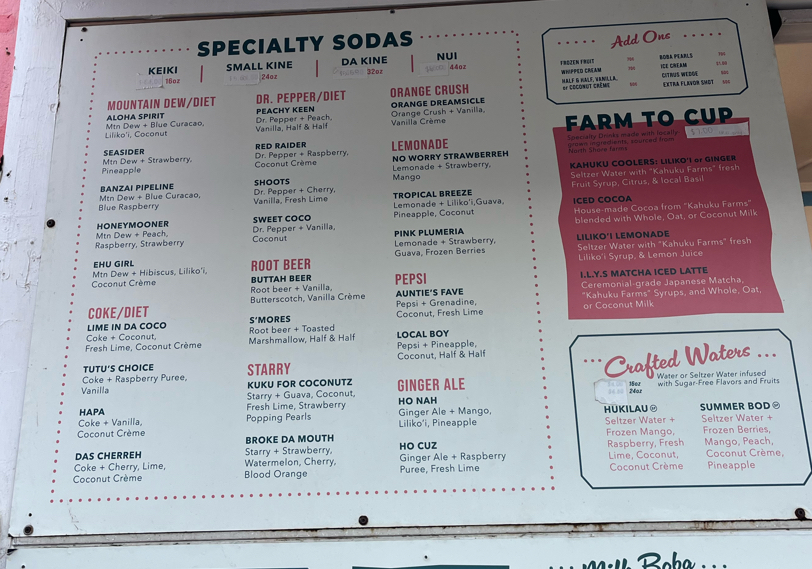
Pidgin and English
At the Polynesian Cultural Center, I came across this “Soda Bomb” soda truck. What struck me was that the menu was mainly in English but had incorporated Pidgin elements. For example, the “Shoots,” “Ho Nah,” “Ho Cuz,” “Das Cherreh,” and “Broke Da Mouth” drinks are all elements/phrases within the Pidgin language. This showed me how businesses use elements such as Pidgin to connect to local customers. The use of Pidgin here reflects the community around it. It made me realize that multilingualism also represents culture, and that language choices in public spaces can make people feel recognized and embodied.
|
Multilingual Hawaiʻi
|
|
|
149545
|
kylee
|
United States
Honolulu
|
|
|
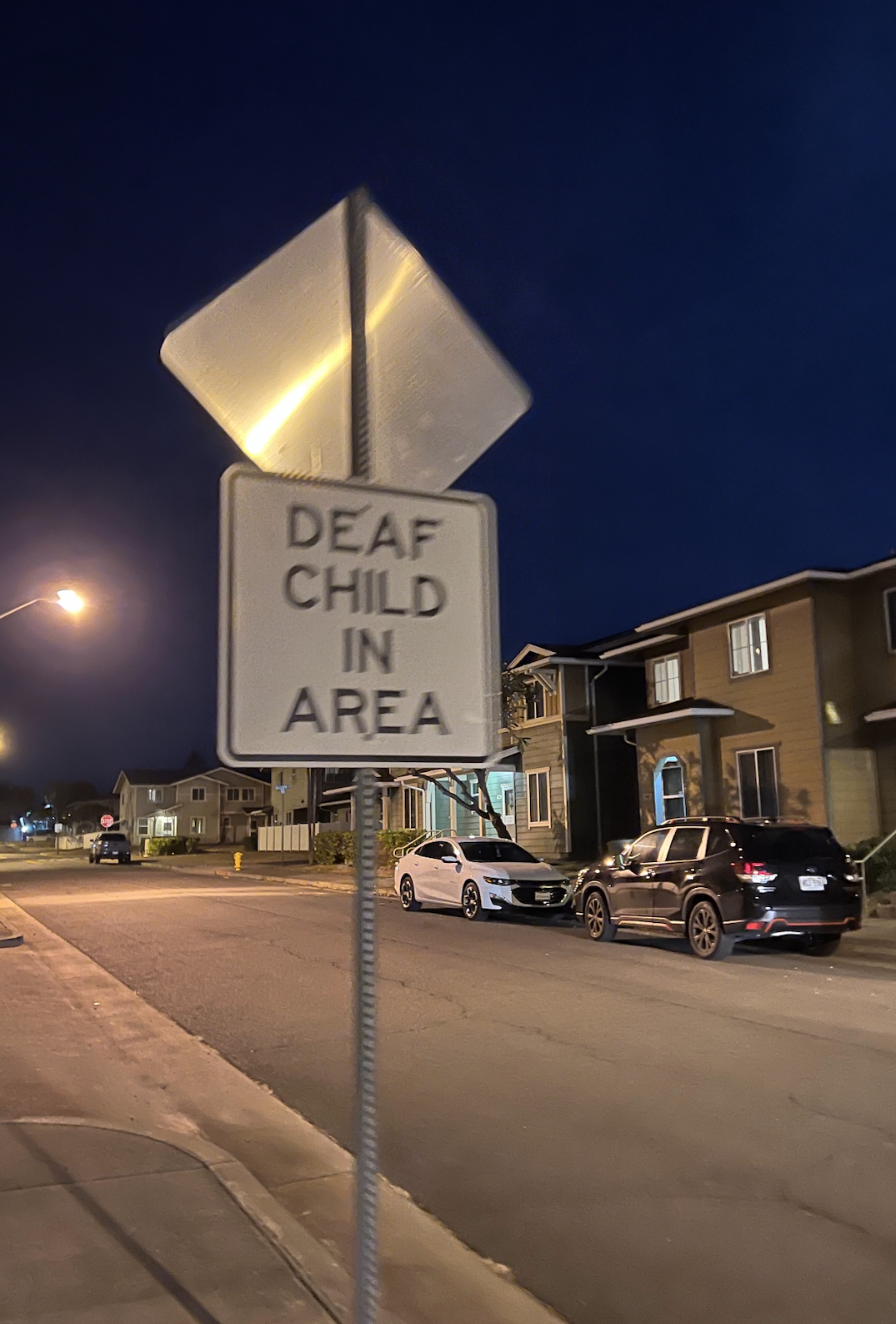
—
|
Multilingual Hawaiʻi
|
|
|
149544
|
kylee
|
United States
Honolulu
|
|
|
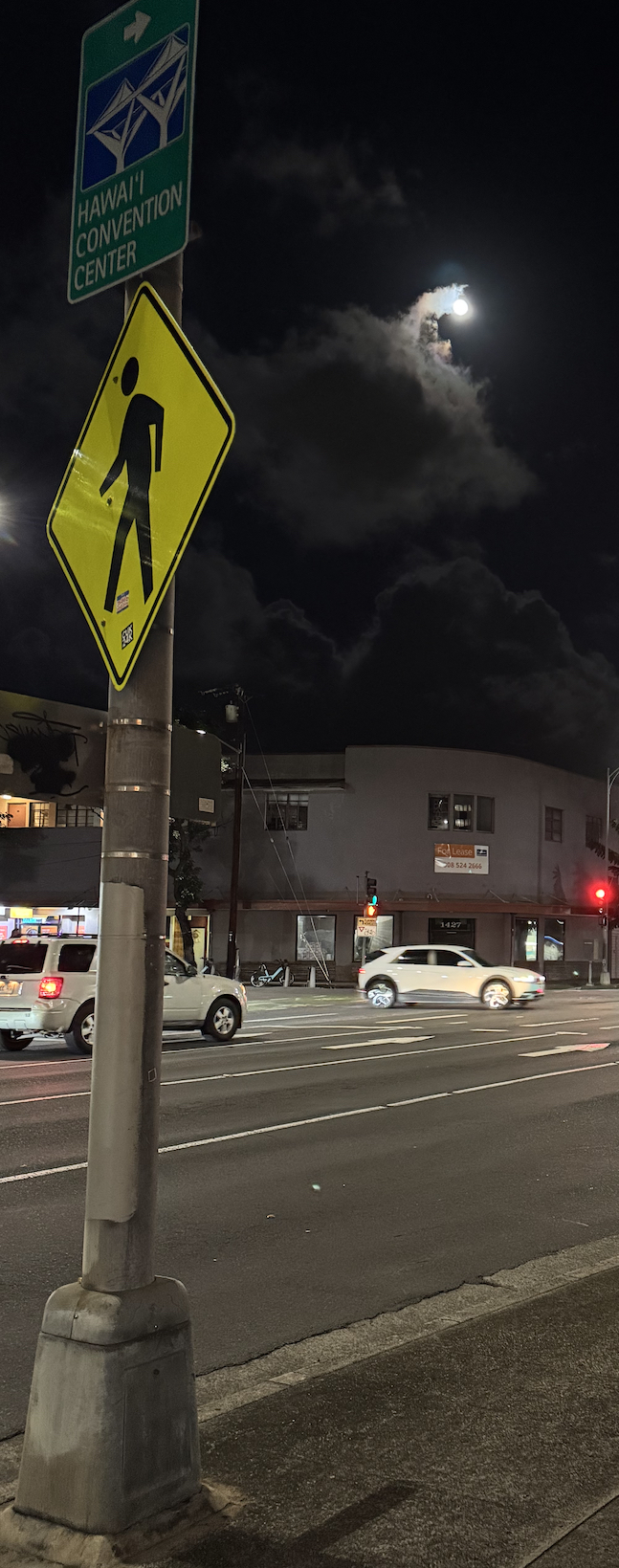
—
|
Multilingual Hawaiʻi
|
|
|
149543
|
kylee
|
United States
Honolulu
|
|
|
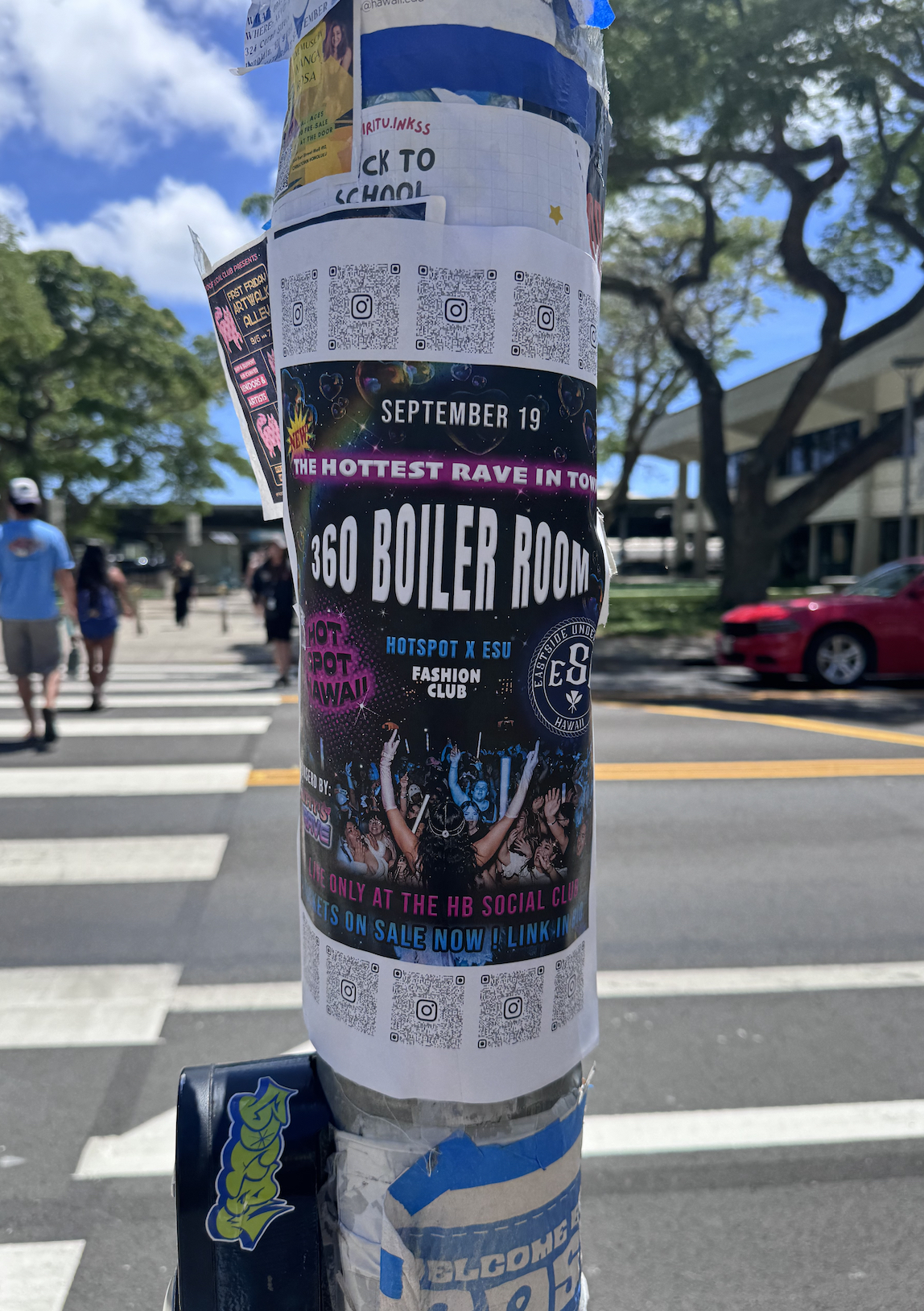
—
|
Multilingual Hawaiʻi
|
|
|
149435
|
Grace Rennie
|
United States
Honolulu
|
|
|
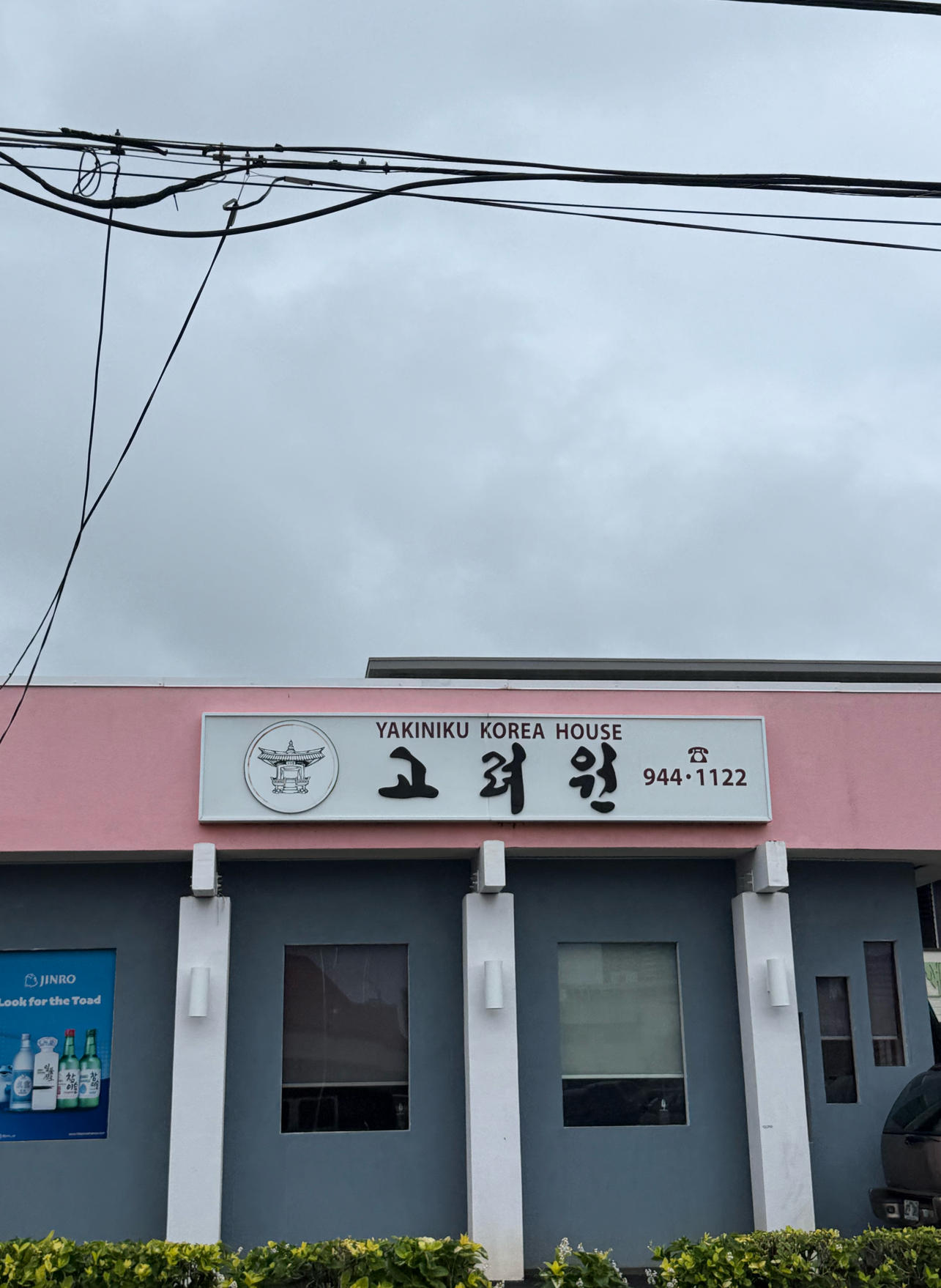
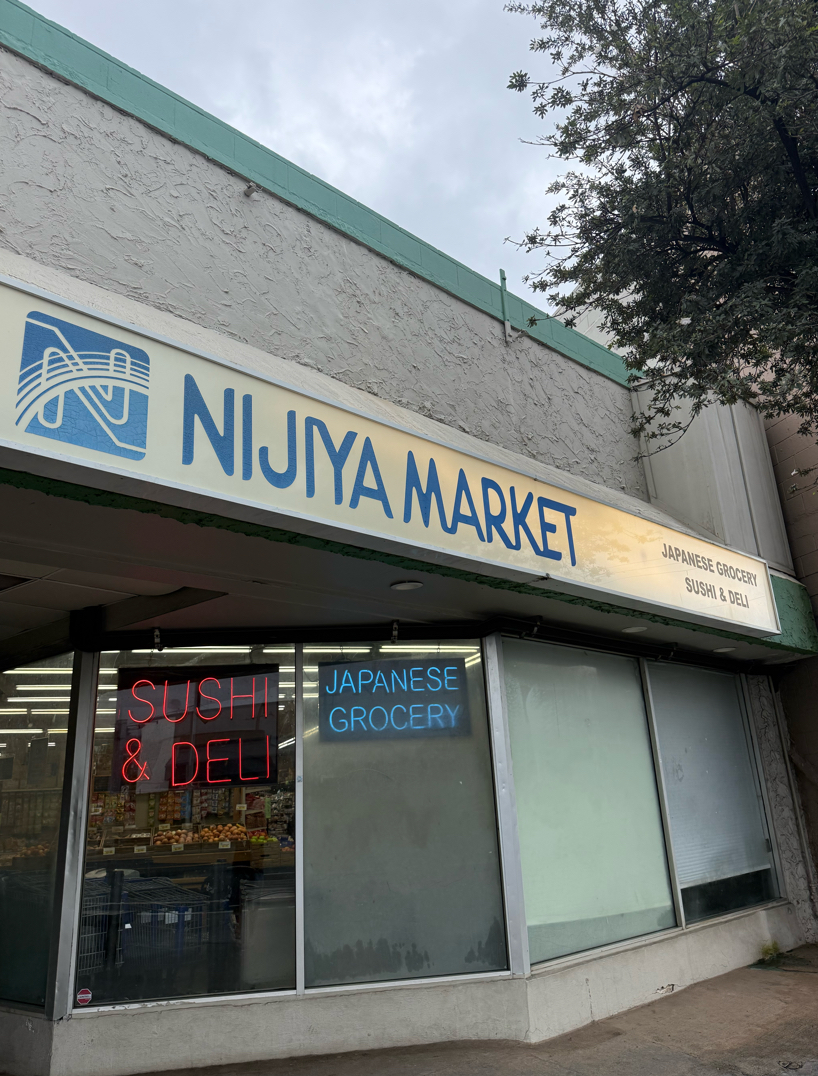
English and Korean
|
Multilingual Hawaiʻi
|
|
|
149434
|
Grace Rennie
|
United States
Honolulu
|
|
|
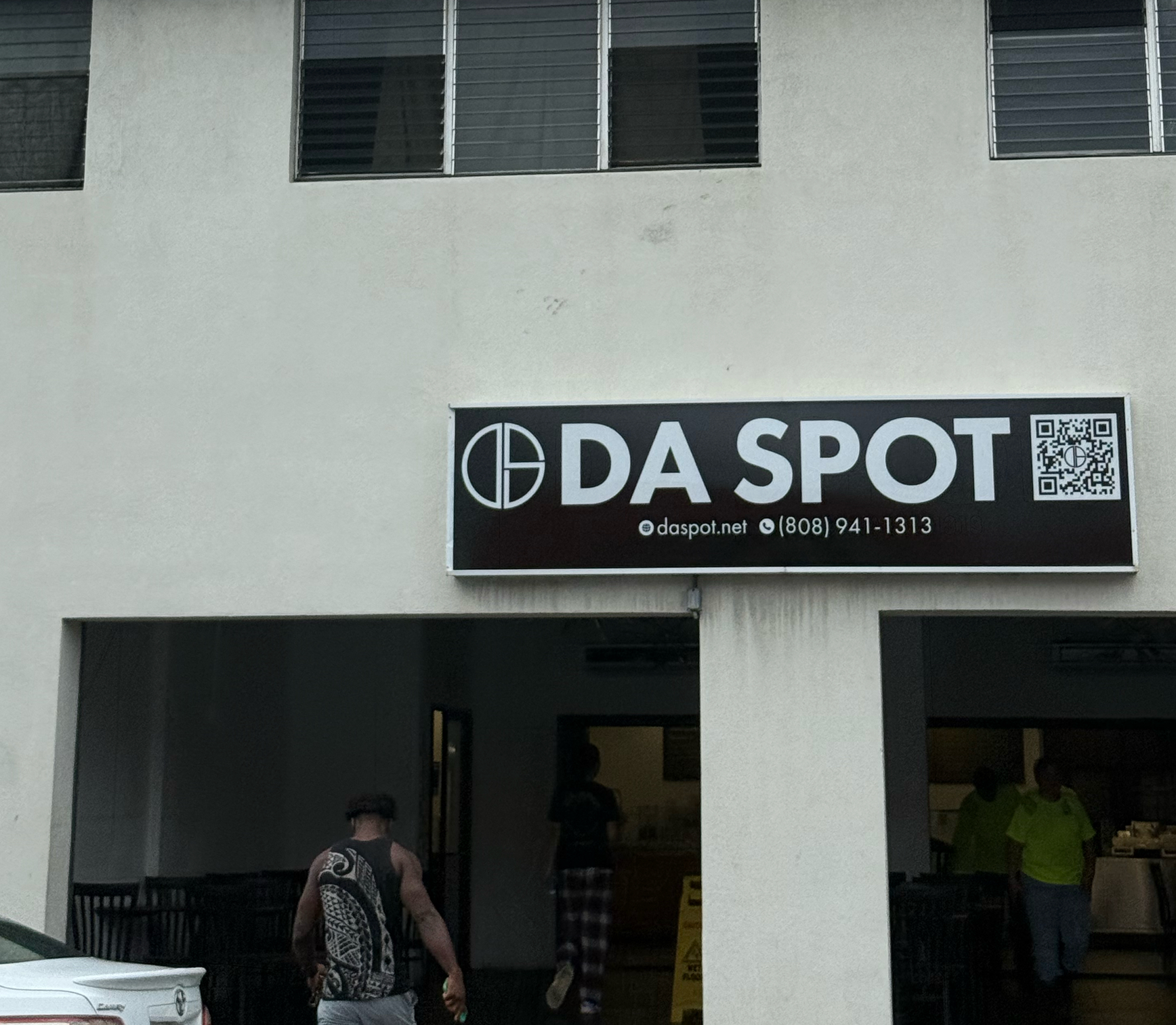
English and Japanese
|
Multilingual Hawaiʻi
|
|
|
149433
|
Grace Rennie
|
United States
Honolulu
|
|
|
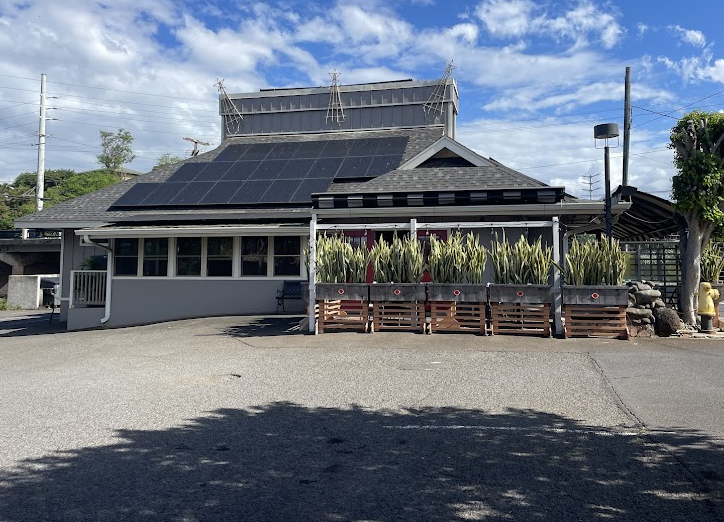
English, but the name “Da Spot” reflects pidgin influence.
|
Multilingual Hawaiʻi
|
|
|
149053
|
morenadanti
|
United States
Wailuku
|
|
|
When I took this picture at Pho Saigon in Wailuku, I noticed how the sign and menu include Vietnamese words that I usually don’t pay attention to. Being there made me realize how many languages are around us in Maui without us even thinking about it. The Vietnamese writing shows how important this restaurant is for the local Vietnamese community and anyone who enjoys their food. It also made me think about how language connects people to their culture, even far from home. Seeing Vietnamese used so naturally in public helped me understand how multilingual Hawaiʻi really is.
|
Multilingual Hawaiʻi
|
|
|
149052
|
morenadanti
|
United States
Kihei
|
|
|
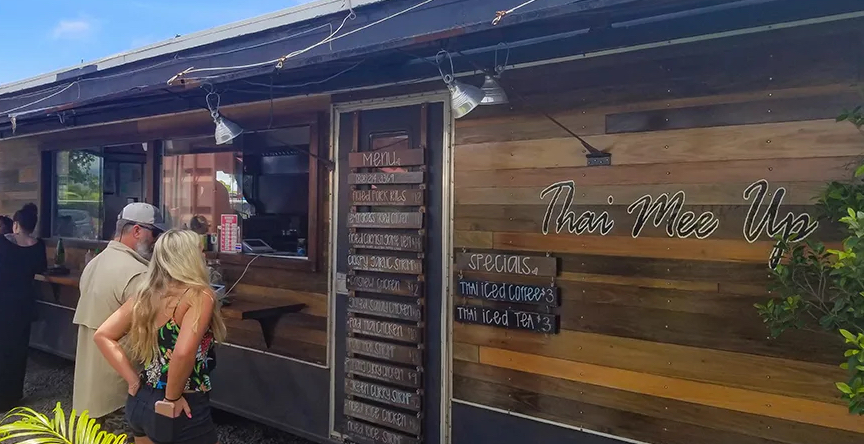
When I went to Thai Mee Up in the Kihei location the first thing I noticed was the Thai writing on the food truck. I eaten there before, but I never really stopped to look at the language on the sign. Seeing the Thai script made me think about how many different cultures and languages are part of everyday life in Hawaiʻi. Even something as simple as a food truck becomes a multilingual space. Being there made me pay more attention to how language shows identity, culture, and community, especially in a place as diverse as Maui.
|
Multilingual Hawaiʻi
|
|
|
149051
|
morenadanti
|
United States
Haiku-Pauwela
|
|
|
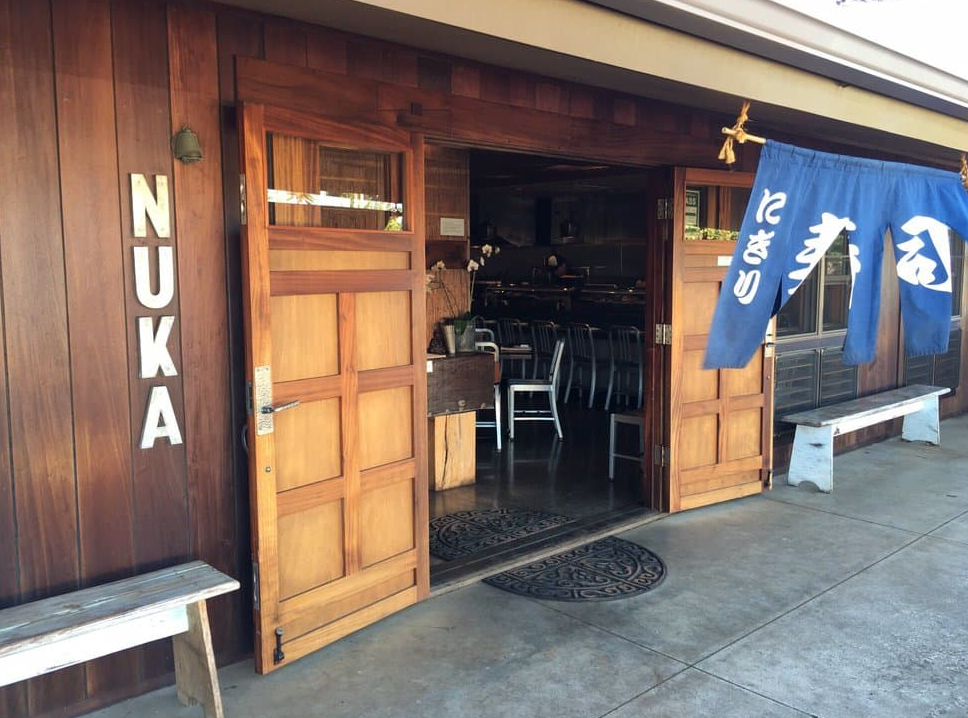
When I went to Nuka in Maui, I noticed right away how the sign uses Japanese writing along with English. Being there in person made me realize how normal multilingualism is in Hawaiʻi. I usually walk past signs without thinking, but this time I actually paid attention to the languages being used. Seeing Japanese on the sign made me think about how many visitors and locals speak it, and how the restaurant wants everyone to feel comfortable. It also showed me that language in public spaces is not just for information it reflects culture, community, and who is included.
|
Multilingual Hawaiʻi
|
|
|
148942
|
Nicole P
|
United States
Honolulu
|
|
|
—
|
Multilingual Hawaiʻi
|
|

|
148941
|
Nicole P
|
United States
Honolulu
|
|
|
—
|
Multilingual Hawaiʻi
|
|
|
148940
|
Nicole P
|
United States
Honolulu
|
|
|
—
|
Multilingual Hawaiʻi
|
|
 Lingscape