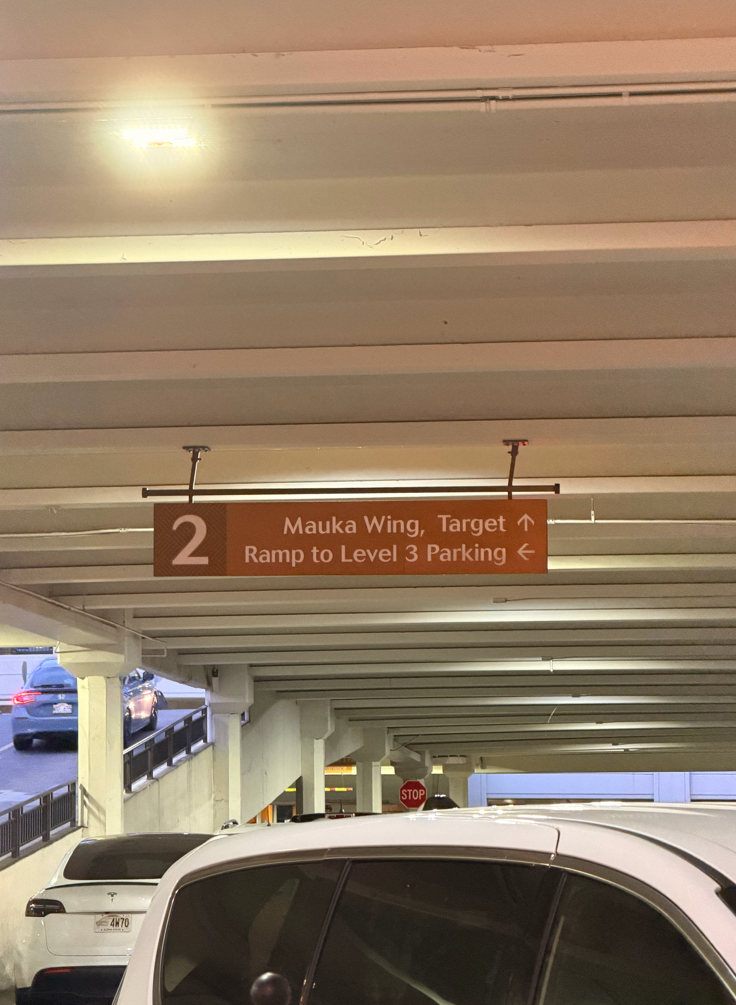
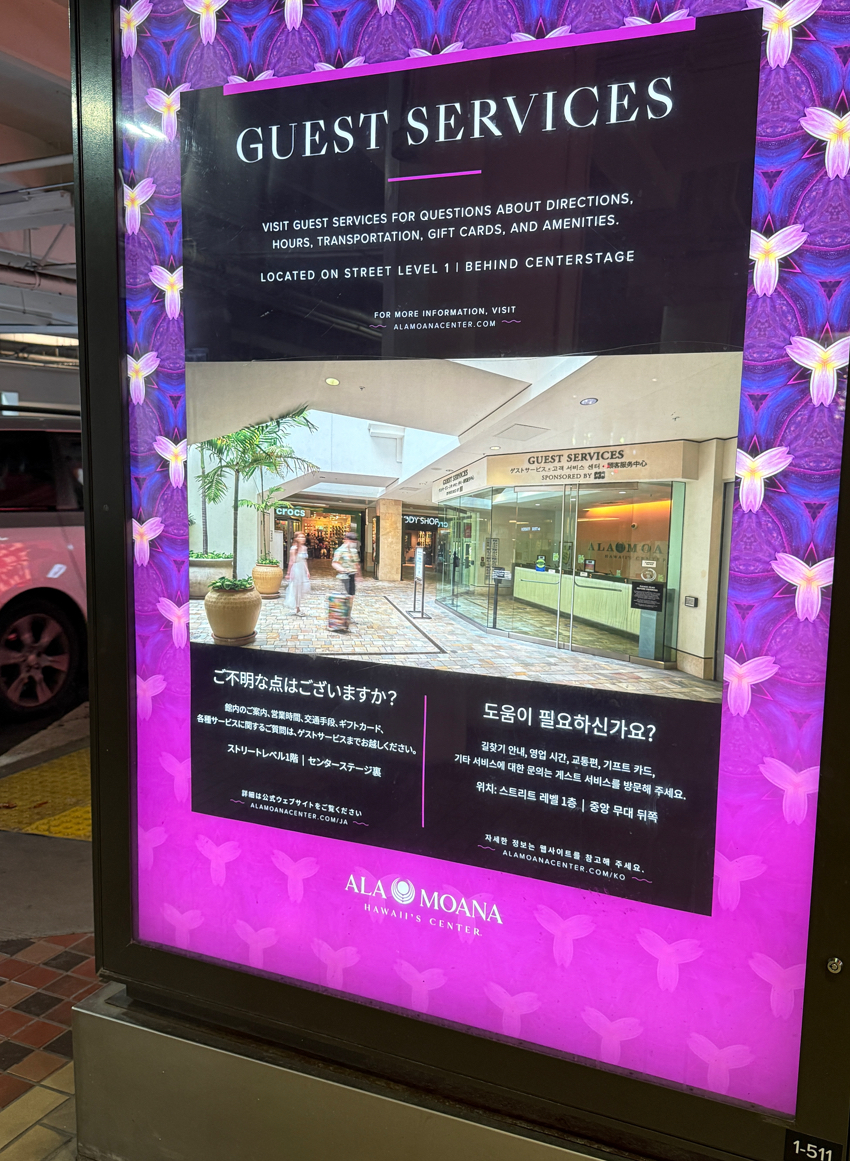
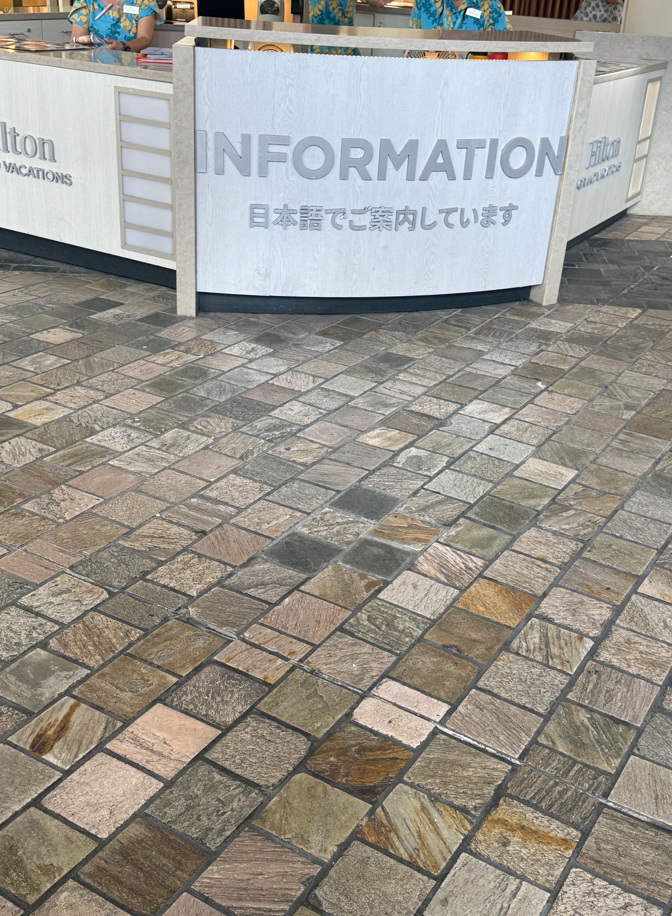
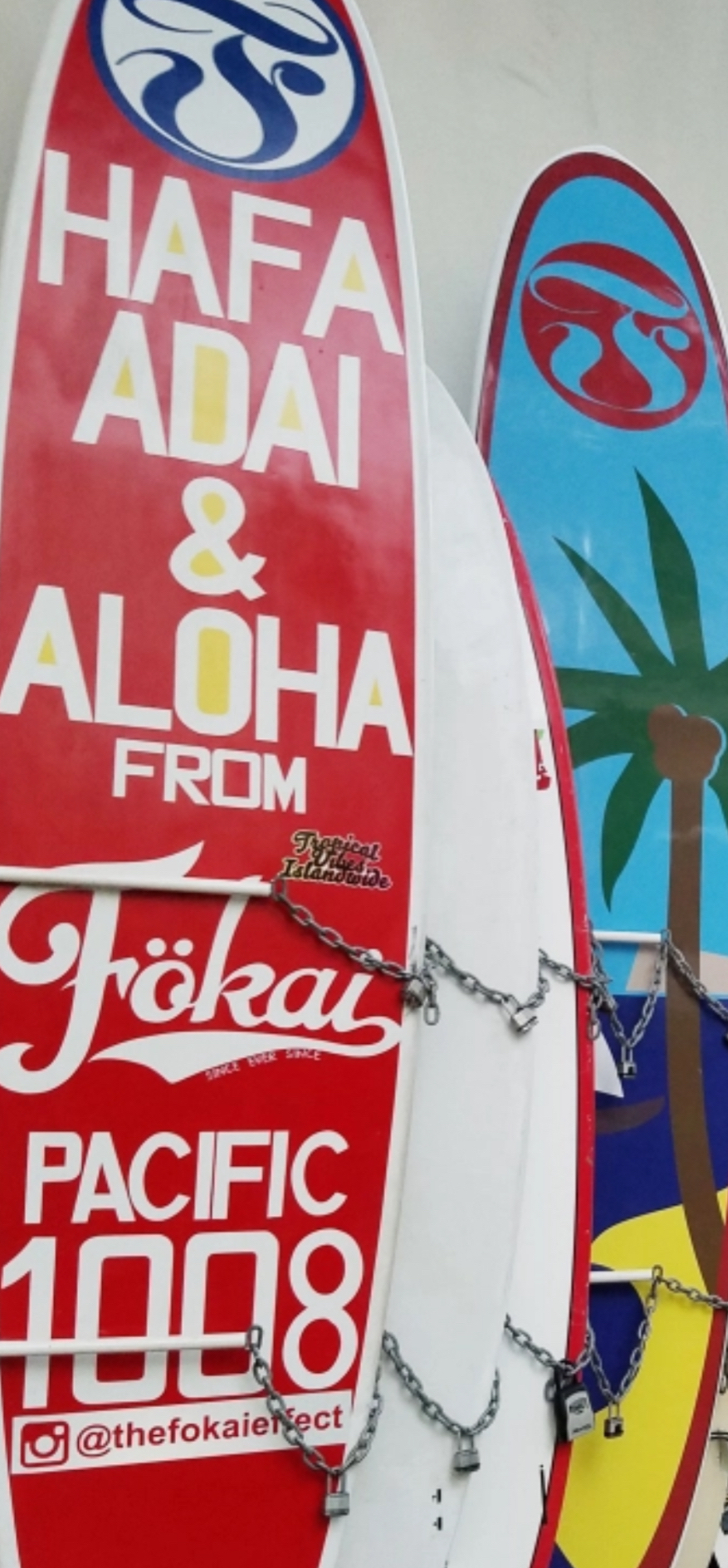
I took this photo on the main level of Ala Moana, right across from the Lanaʻi Food Court. The sign says “Mauka Wing,” which means “toward the mountains” in Hawaiian. I found it interesting how the mall uses Hawaiian words very frequently in its directional signs. Even the food court itself is named “Lānaʻi,” which is another island here. Seeing Hawaiian used in everyday signage and throughout such a large institution shows an effort to incorporate the language, even if it can sometimes feel a bit inauthentic. Still, noticing Hawaiian in these directional signs made me realize again how multicultural and multilingual Hawaiʻi is.
Multilingual Hawaiʻi
134342
charrr
United States
Honolulu
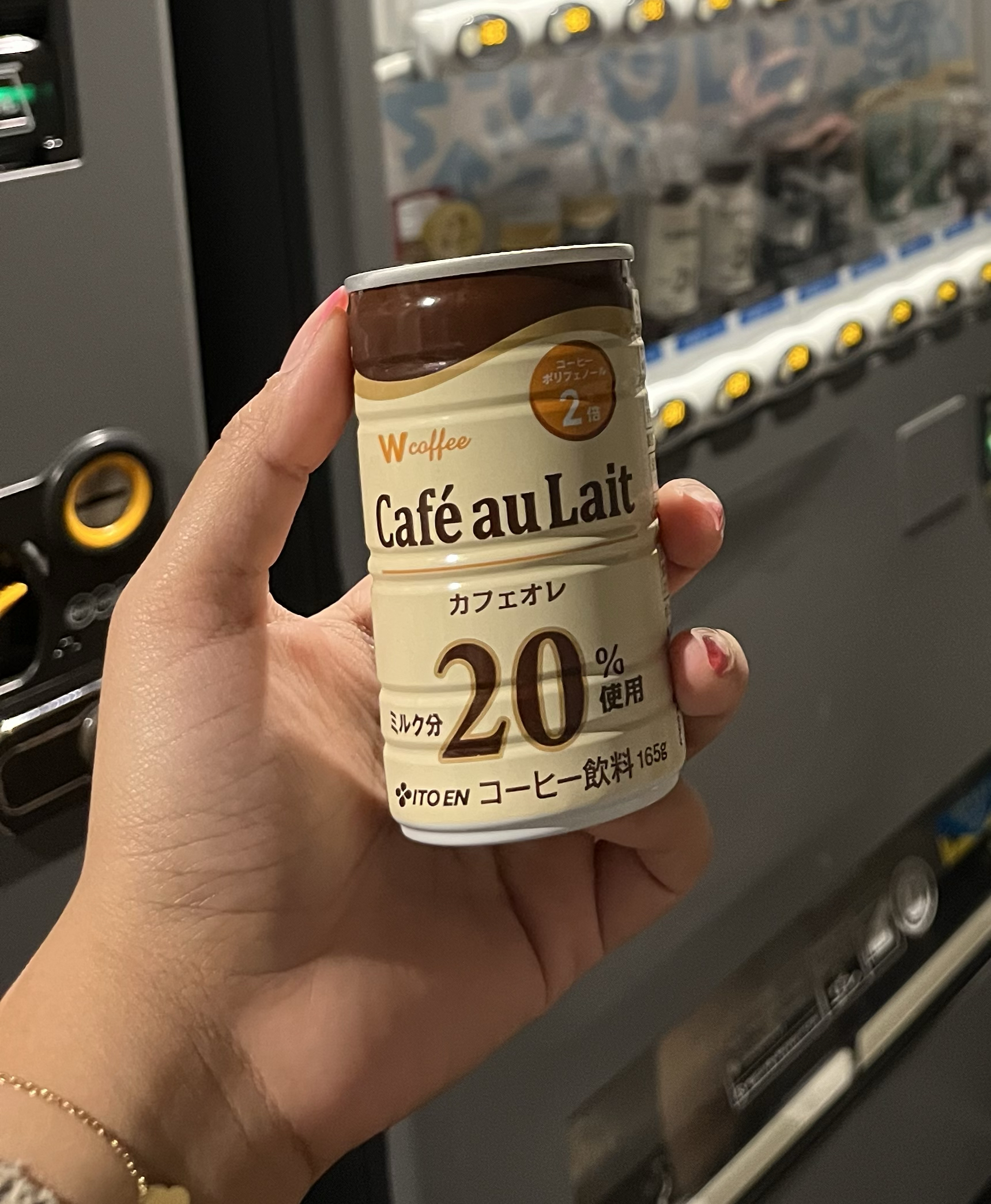
Encountering a Japanese vending machine, I noticed that it had both Japanese and English on it. Noticing that it had both scripts, it made me realize how ingrained multilingualism is to our state and island. Not only does this serve the local community, but for tourists who can enjoy a bit of their culture here. Seeing just how often and frequently it is to have both Japanese and English script, and basically how normalized it is to have multiple languages in this state, made me aware of how this our public language and how valuable it is to create an inclusive, multilingual environment for everyone.
Multilingual Hawaiʻi
134343
charrr
United States
Waipahu
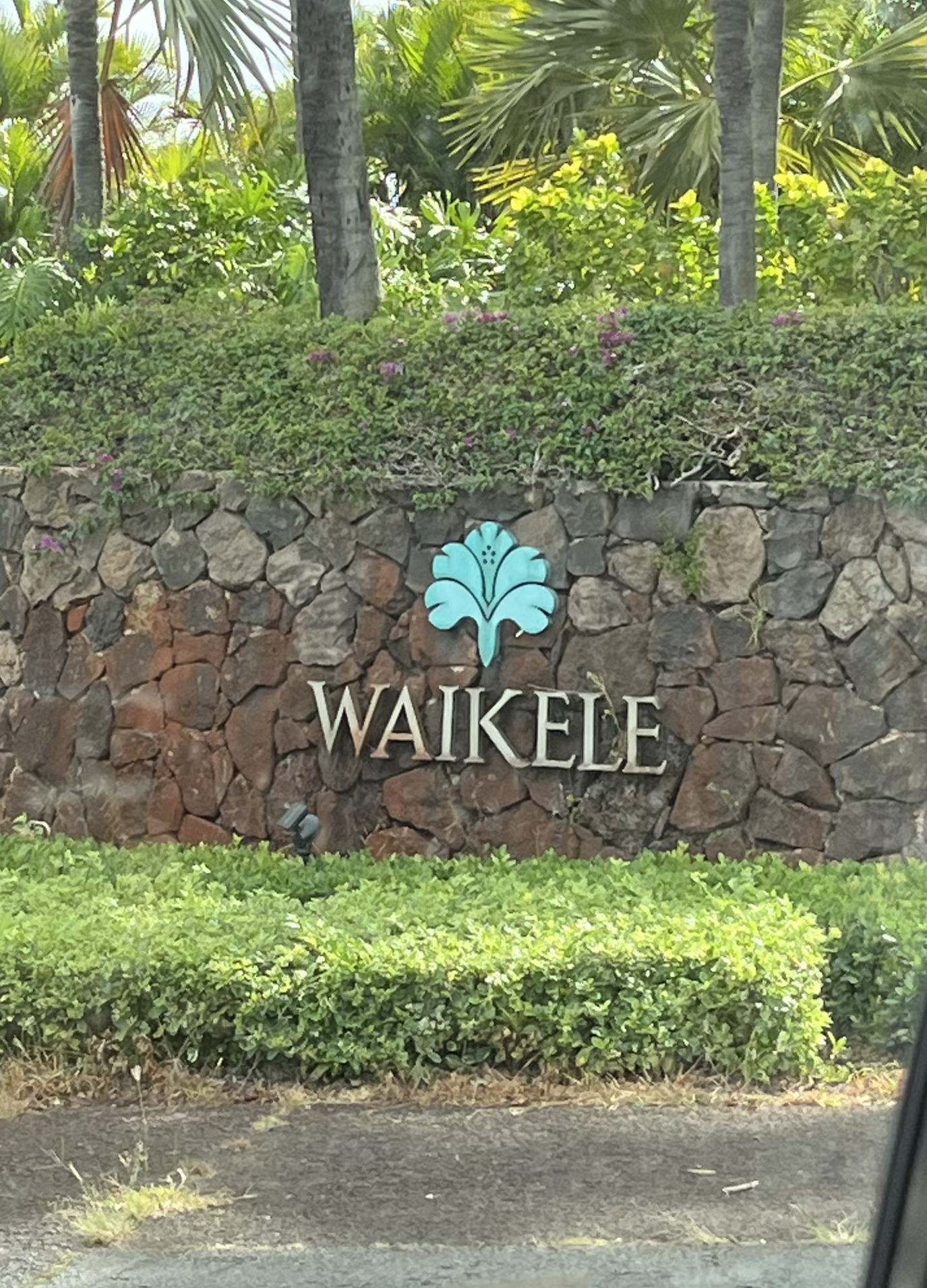
Seeing place names like Waikele, really emphasizes how important the Hawaiian language is to our culture. As you grow up, the norm becomes something that can be hidden in plain sight, or something that most people overlook, despite it being in our everyday language. However, as we think about multilingualism and think about the connection of the Hawaiian language and how it can shift our culture and communication, we can then use our town names as markers for history, culture, and diversity. We can view this public language as a way to honor the past and encourage language revitalization everyday.
Multilingual Hawaiʻi
134344
charrr
United States
Aiea
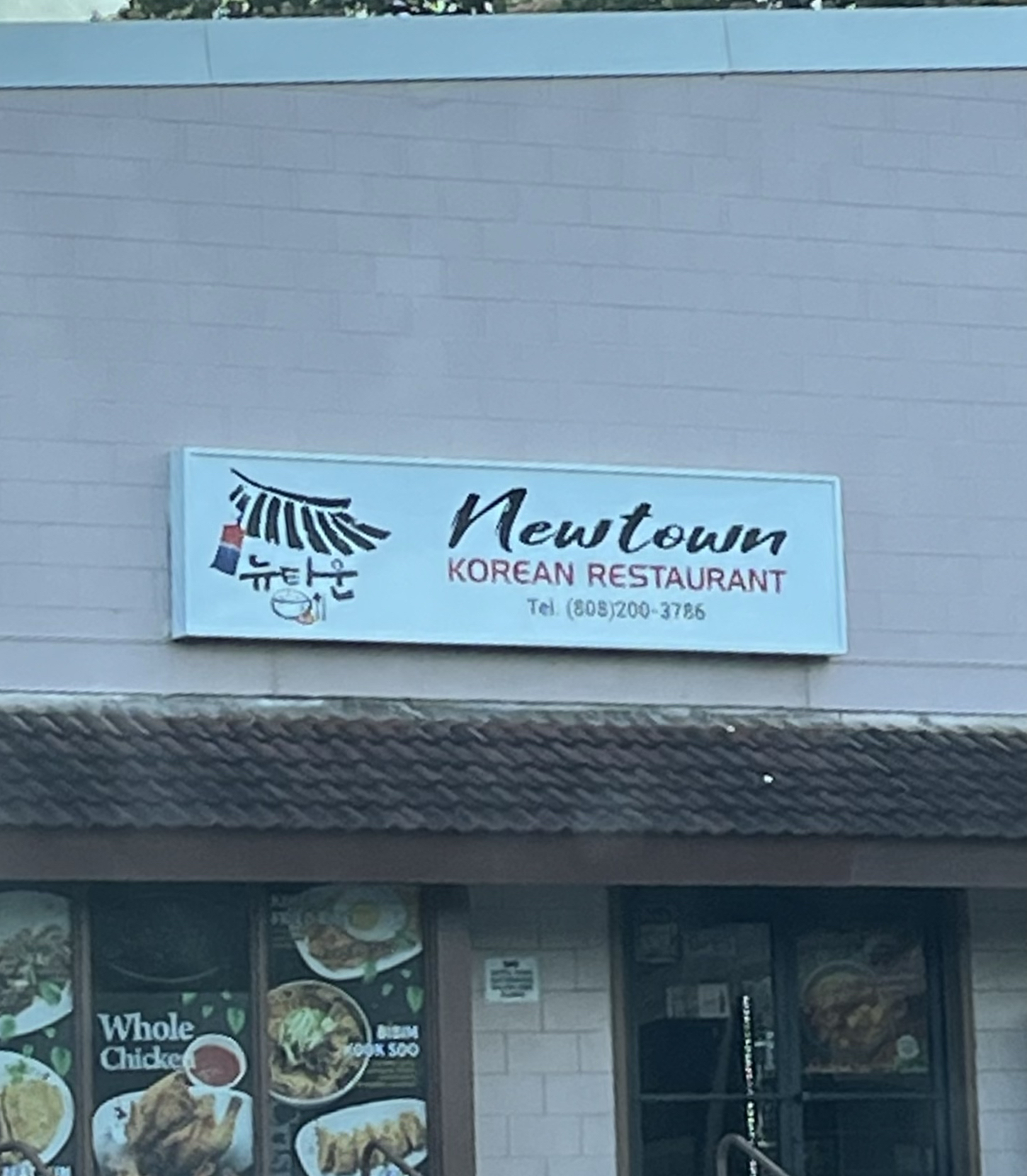
Walking past this town that had a sign in both Korean and English, made me aware of how multilingualism is a daily part of life when living in Hawai’i. As I continue to reflect about the different languages in Hawai’i, it made me realize how much of a melting pot our community is. It had the Korean language big and broad, showing that even in such an environment, these languages are the norm and are here to stay. Recognizing multilingualism in public spaces like this, is another way that language can connect others in a meaningful way, and expand across cultures.
Multilingual Hawaiʻi
156233
CheyenneH
United States
Honolulu
—
Multilingual Hawaiʻi
156454
gabikolani
United States
Honolulu
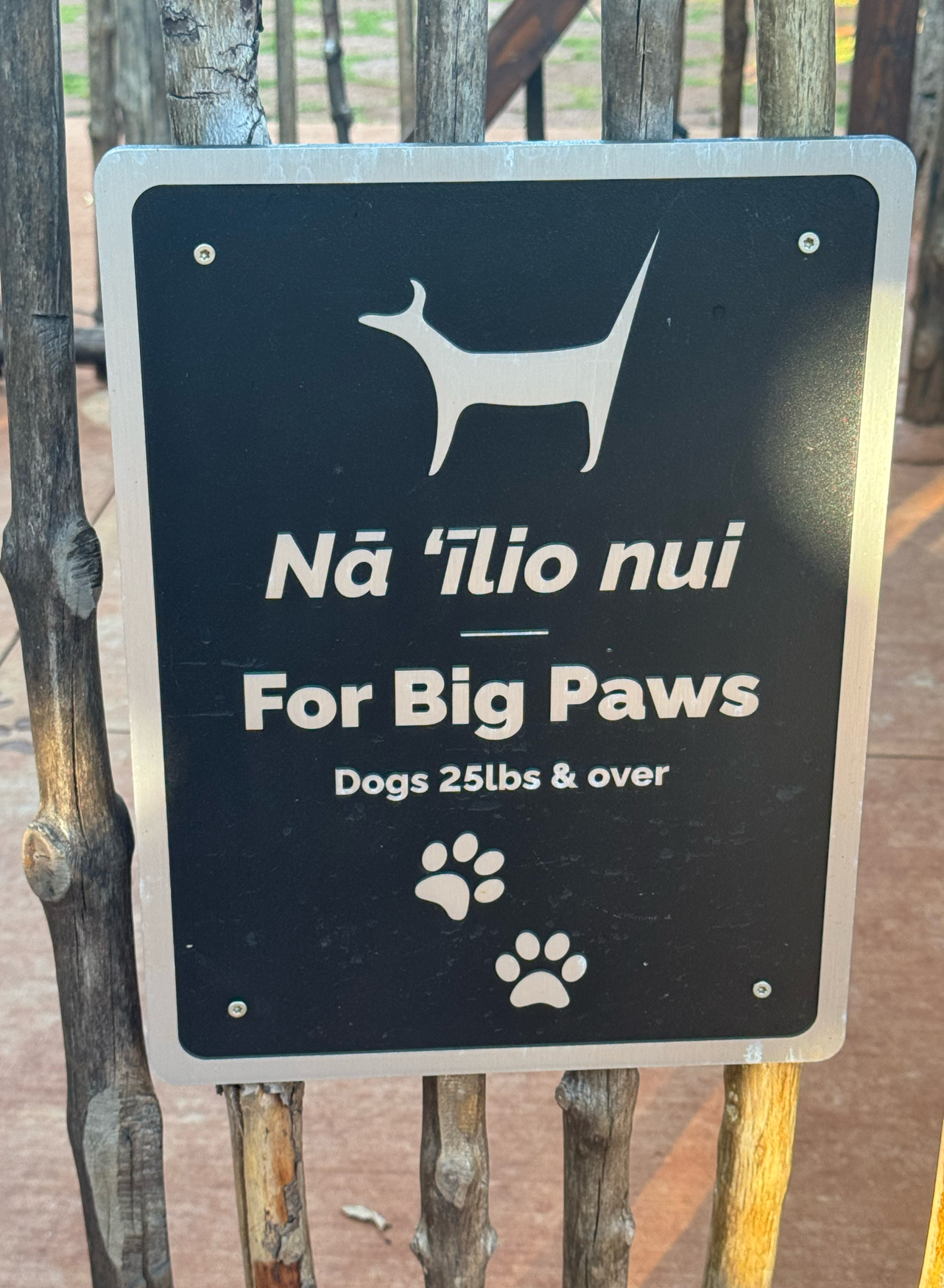
Signage in Hawaiian and English at Kolowalu Dog Park.
Multilingual Hawaiʻi
156455
gabikolani
United States
Honolulu
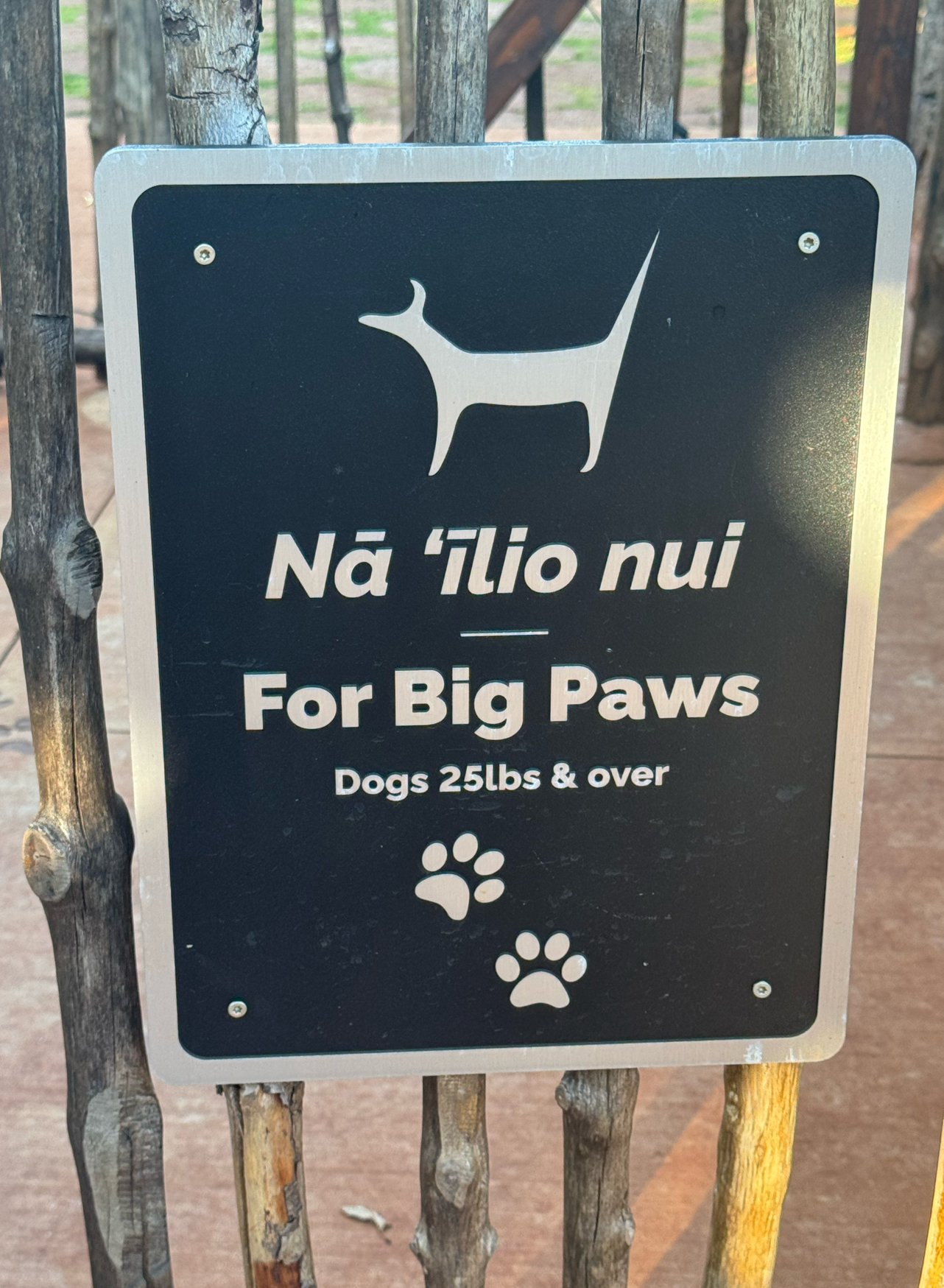
Signage in Hawaiian and English at Kolowalu Dog Park.
Multilingual Hawaiʻi
156456
gabikolani
United States
Honolulu
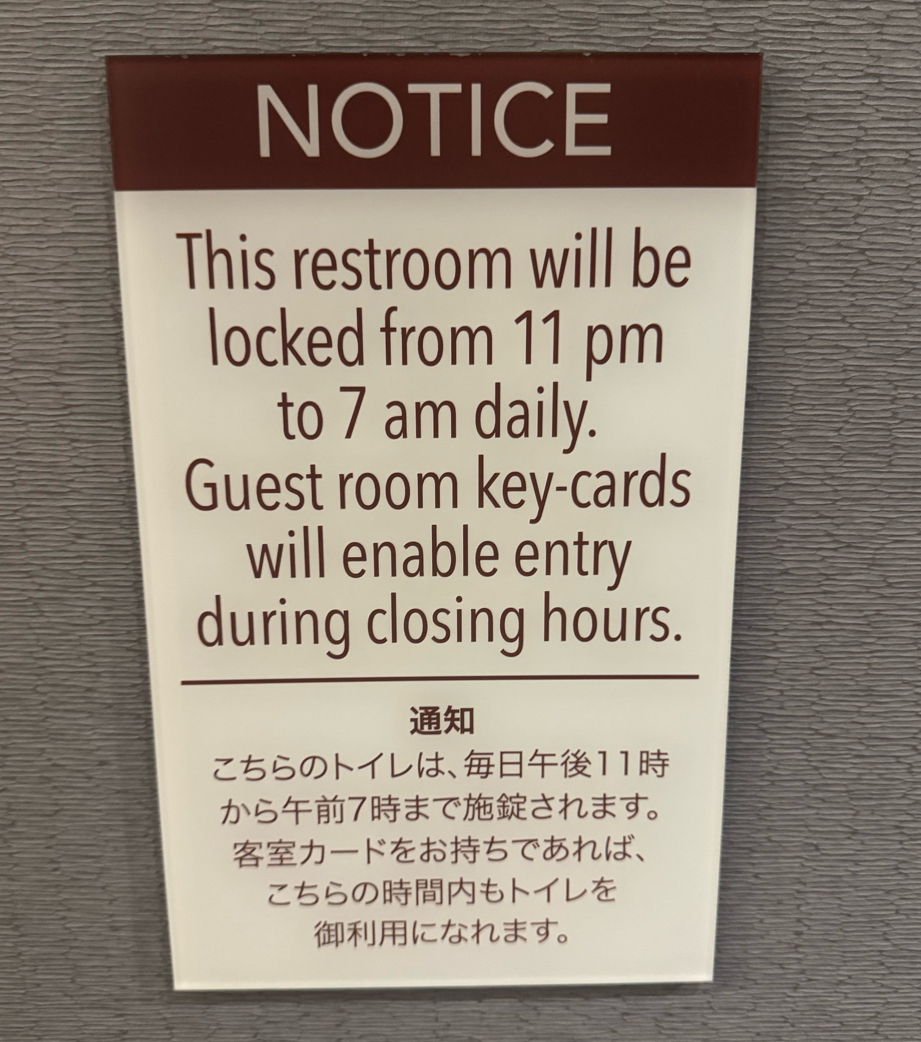
Notice about restroom access in English and Japanese at Ala Moana Hotel.
Multilingual Hawaiʻi
156457
gabikolani
United States
Honolulu
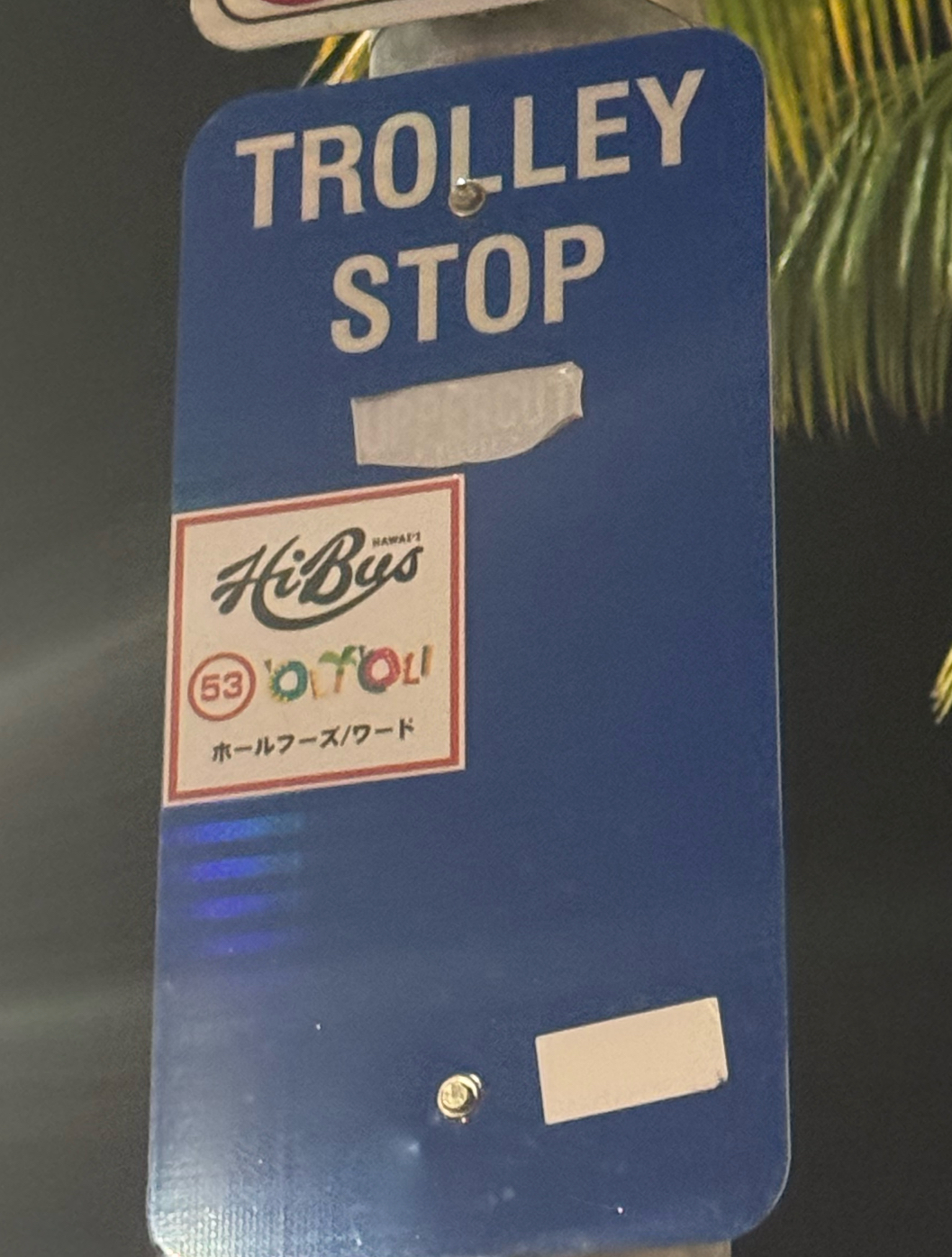
Multilingual trolley stop. 'Oli'oli means joyful, happy, glad, or delightful. It does not mean trolley in Hawaiian.
Multilingual Hawaiʻi
149433
Grace Rennie
United States
Honolulu
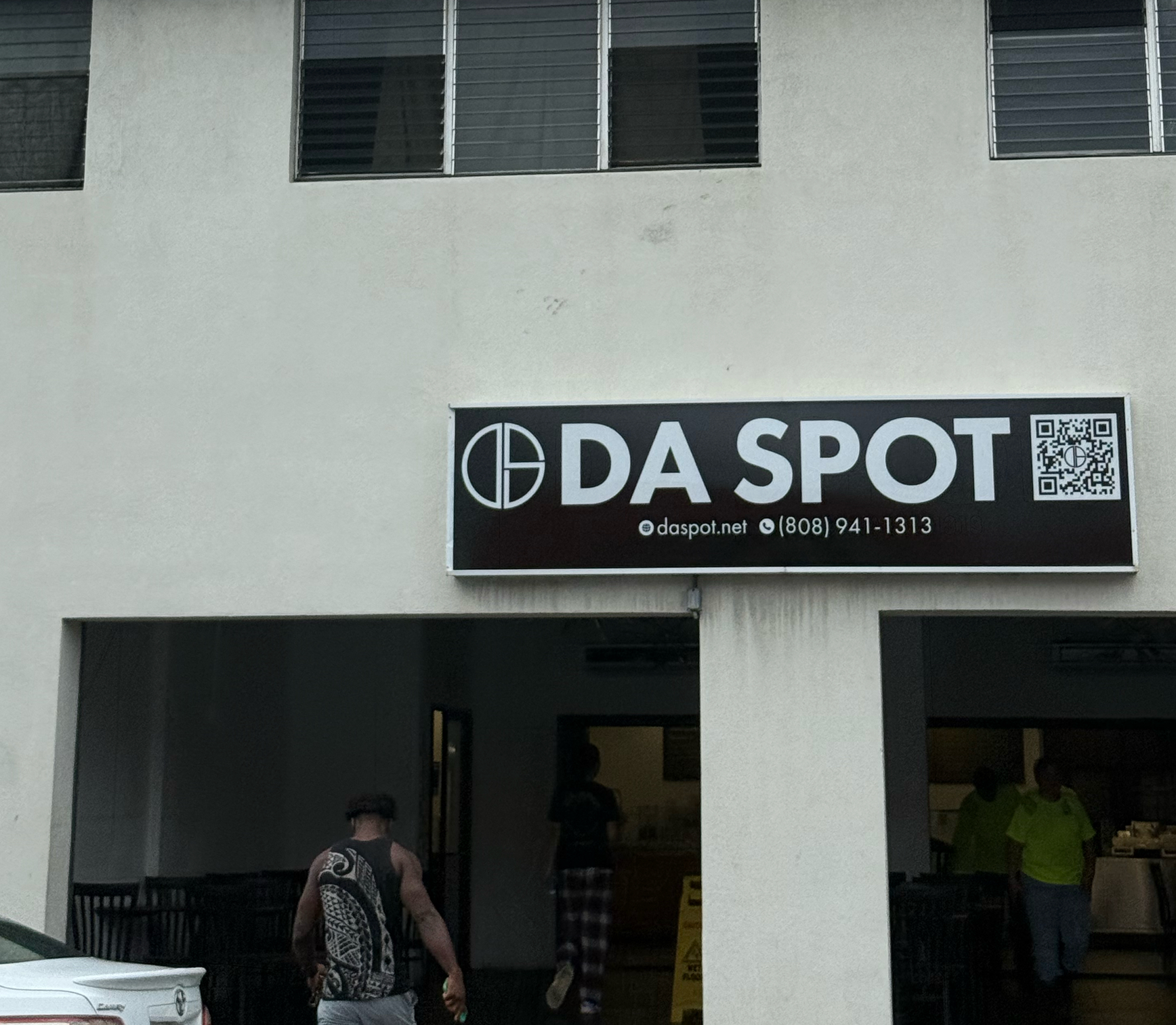
English, but the name “Da Spot” reflects pidgin influence.
 Lingscape