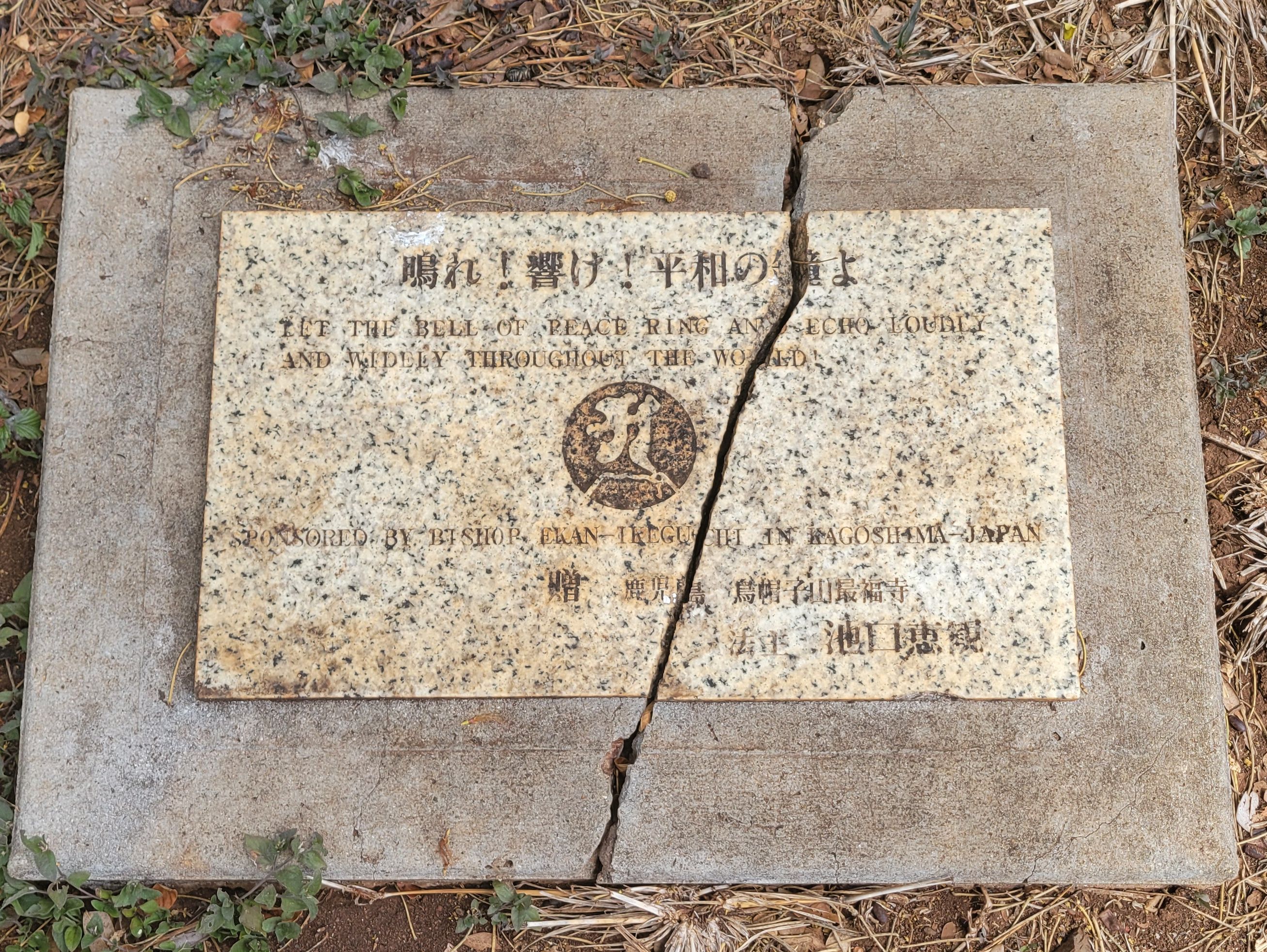
Japanese Peace Bell
Located on Neal S. Blaisdell Park
Multilingual Hawaiʻi
157006
micahbn
United States
Honolulu
—
Multilingual Hawaiʻi
157007
micahbn
United States
Honolulu
—
Multilingual Hawaiʻi
157008
micahbn
United States
Lahaina
—
Multilingual Hawaiʻi
149051
morenadanti
United States
Haiku-Pauwela
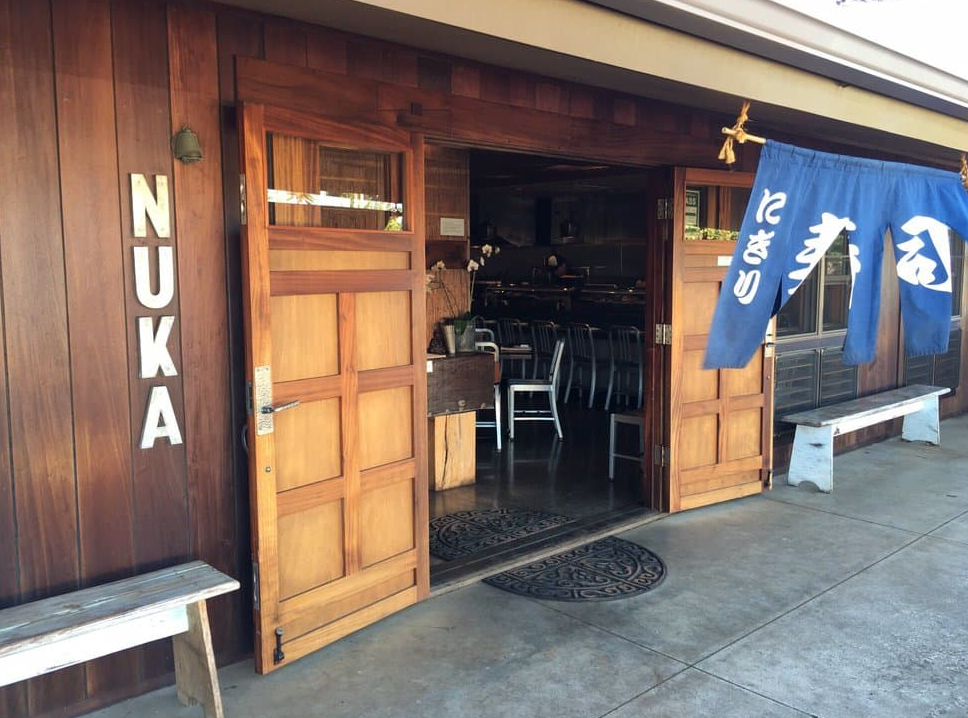
When I went to Nuka in Maui, I noticed right away how the sign uses Japanese writing along with English. Being there in person made me realize how normal multilingualism is in Hawaiʻi. I usually walk past signs without thinking, but this time I actually paid attention to the languages being used. Seeing Japanese on the sign made me think about how many visitors and locals speak it, and how the restaurant wants everyone to feel comfortable. It also showed me that language in public spaces is not just for information it reflects culture, community, and who is included.
Multilingual Hawaiʻi
149052
morenadanti
United States
Kihei
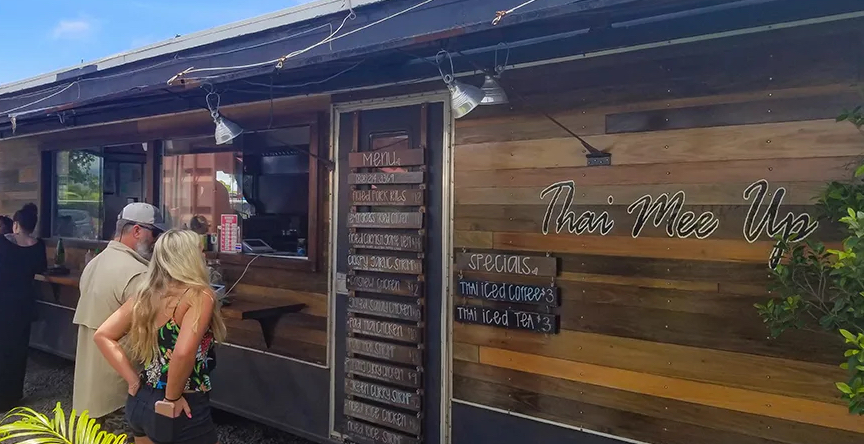
When I went to Thai Mee Up in the Kihei location the first thing I noticed was the Thai writing on the food truck. I eaten there before, but I never really stopped to look at the language on the sign. Seeing the Thai script made me think about how many different cultures and languages are part of everyday life in Hawaiʻi. Even something as simple as a food truck becomes a multilingual space. Being there made me pay more attention to how language shows identity, culture, and community, especially in a place as diverse as Maui.
Multilingual Hawaiʻi
149053
morenadanti
United States
Wailuku
When I took this picture at Pho Saigon in Wailuku, I noticed how the sign and menu include Vietnamese words that I usually don’t pay attention to. Being there made me realize how many languages are around us in Maui without us even thinking about it. The Vietnamese writing shows how important this restaurant is for the local Vietnamese community and anyone who enjoys their food. It also made me think about how language connects people to their culture, even far from home. Seeing Vietnamese used so naturally in public helped me understand how multilingual Hawaiʻi really is.
Multilingual Hawaiʻi
148940
Nicole P
United States
Honolulu
—
Multilingual Hawaiʻi
148941
Nicole P
United States
Honolulu
—
Multilingual Hawaiʻi
148942
Nicole P
United States
Honolulu
—
Multilingual Hawaiʻi
147910
remy
United States
Honolulu
‘Ōlelo Hawai’i
Multilingual Hawaiʻi
148858
ronaleid
United States
Waimalu
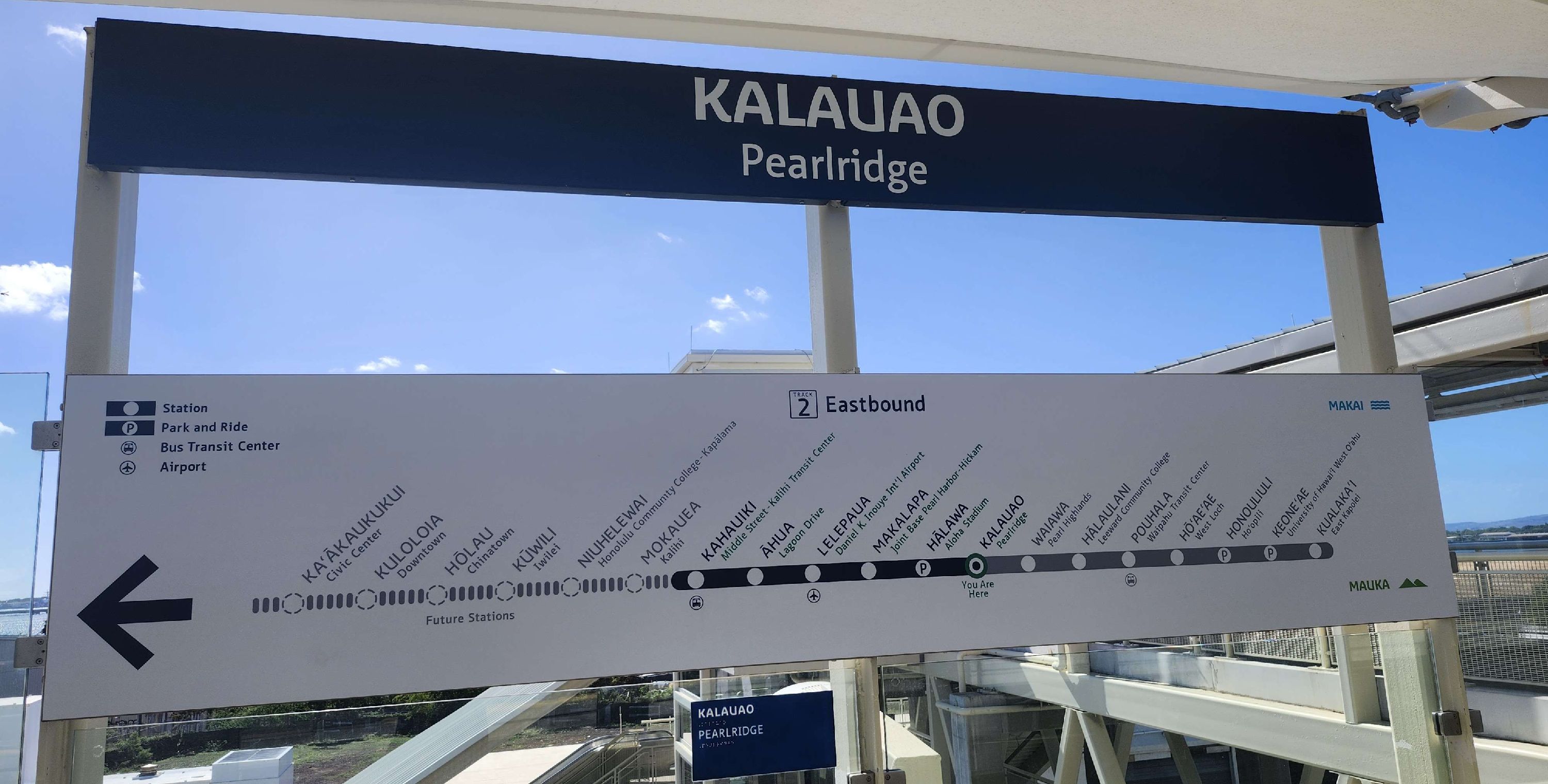
The newly opened Kalauao, Pearlridge rail station represents how multilingualism is woven into everyday life in Hawai’i. Seeing Hawaiian place names displayed prominently alongside English reminds me that movement through the islands is also movement through layered histories and languages. As I commute from Kalauao to Lagoon Drive (Āhua) and transfer to the bus to reach school, I am constantly navigating these linguistic landscapes and becoming more conscious of the stories they carry. This daily journey makes me more aware of how public infrastructure can honor Indigenous language, promote accessibility, and reinforce the cultural identity of Hawai’i’s communities in meaningful, visible ways.
 Lingscape