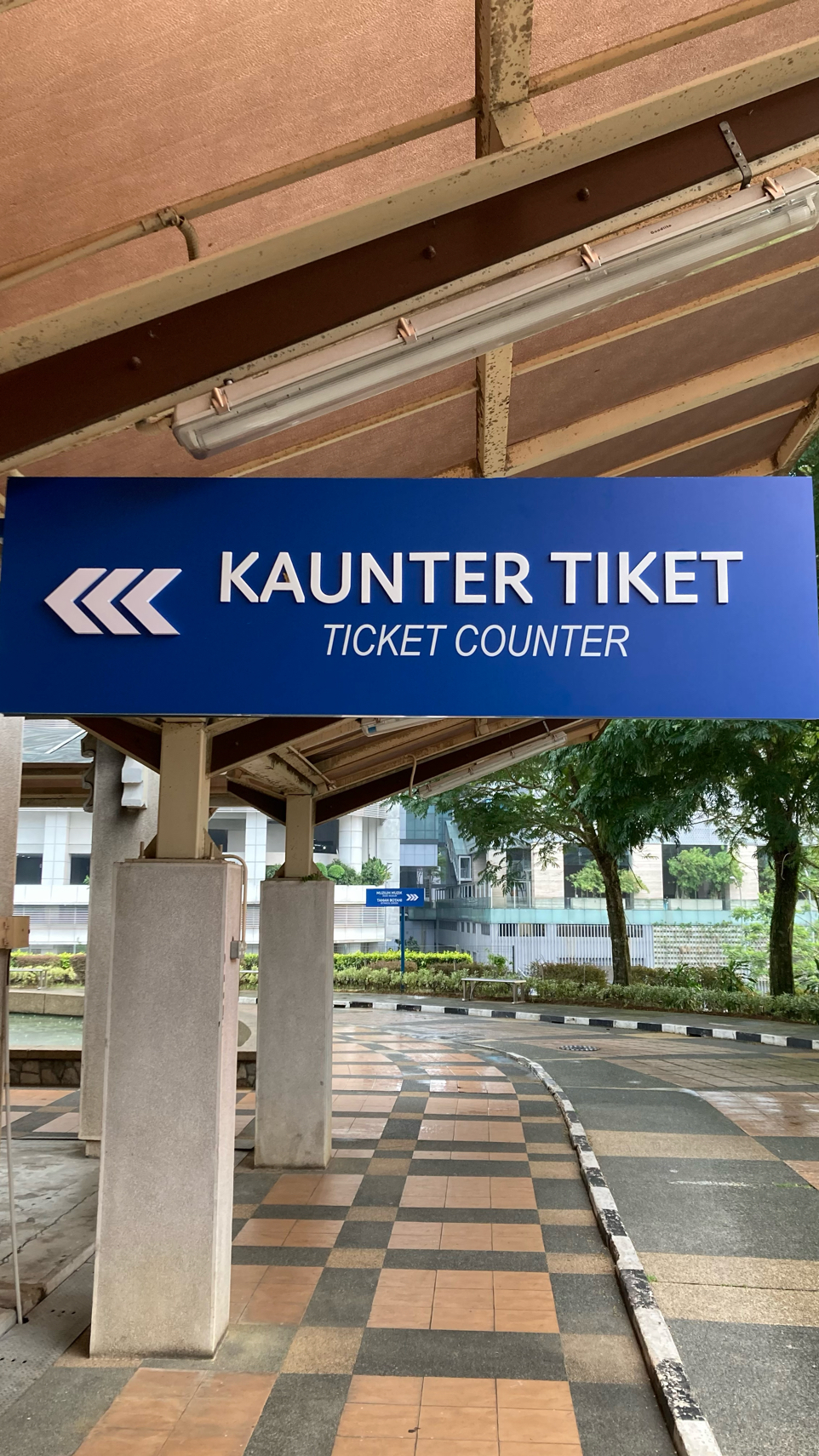
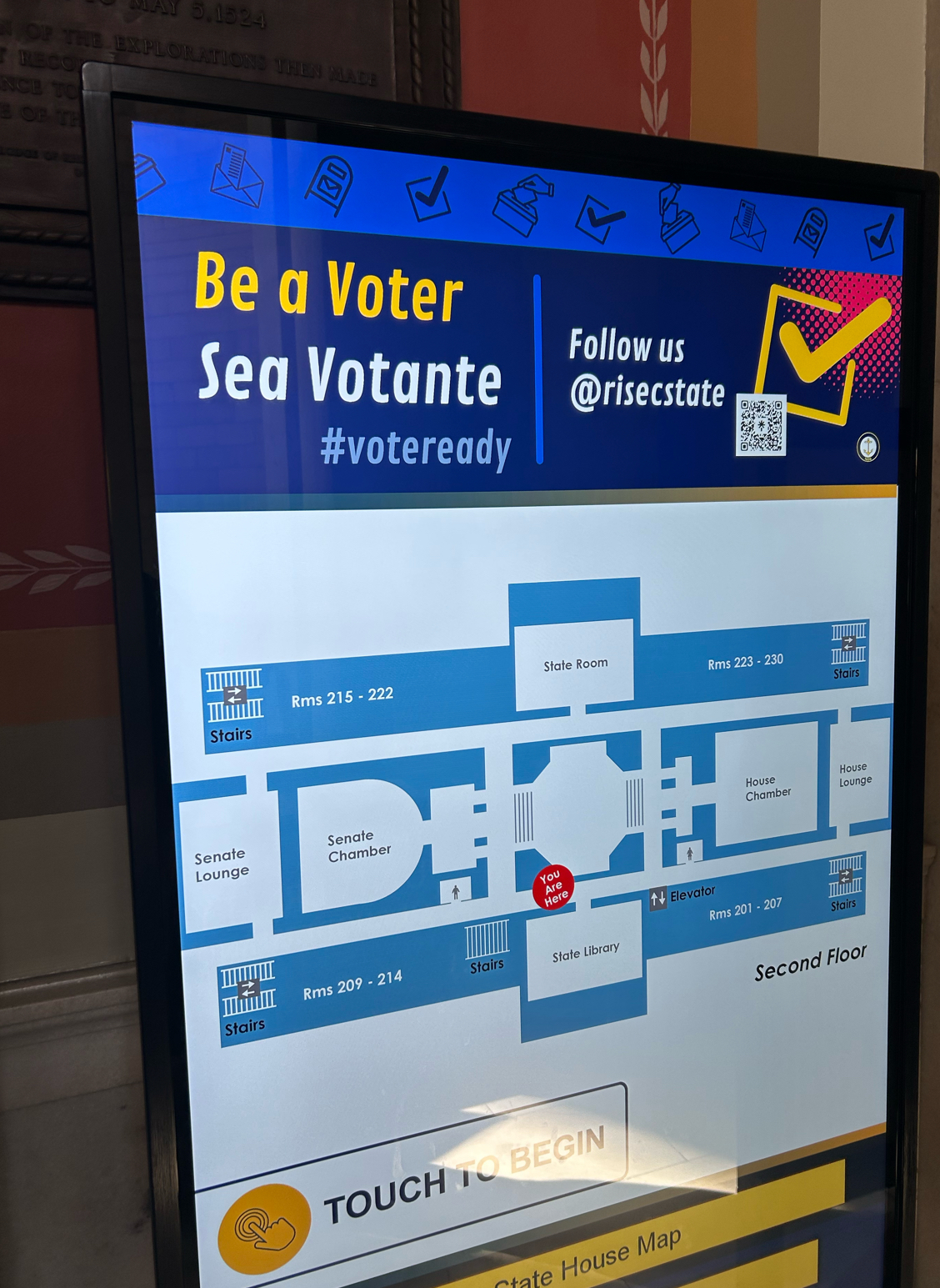
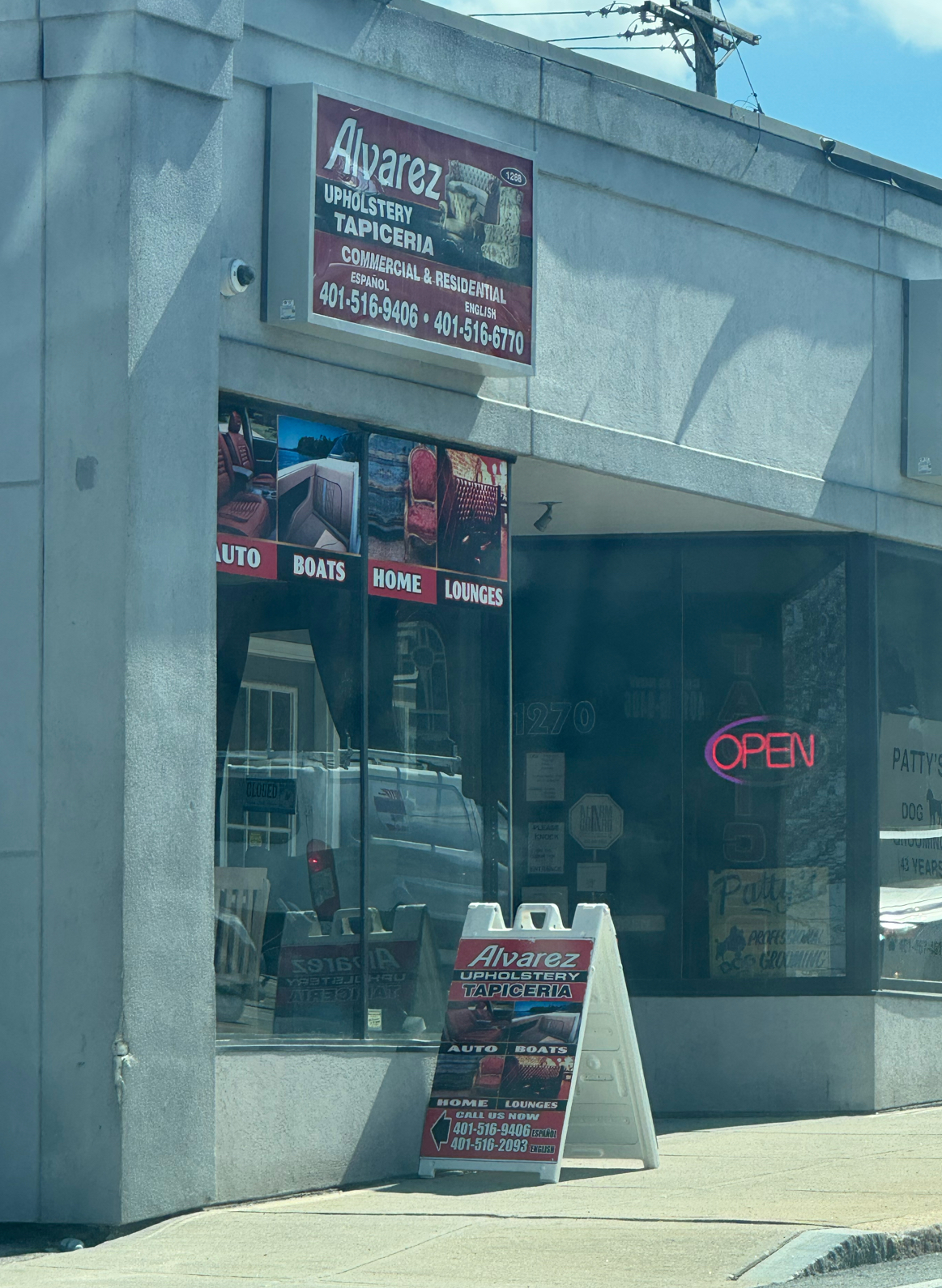
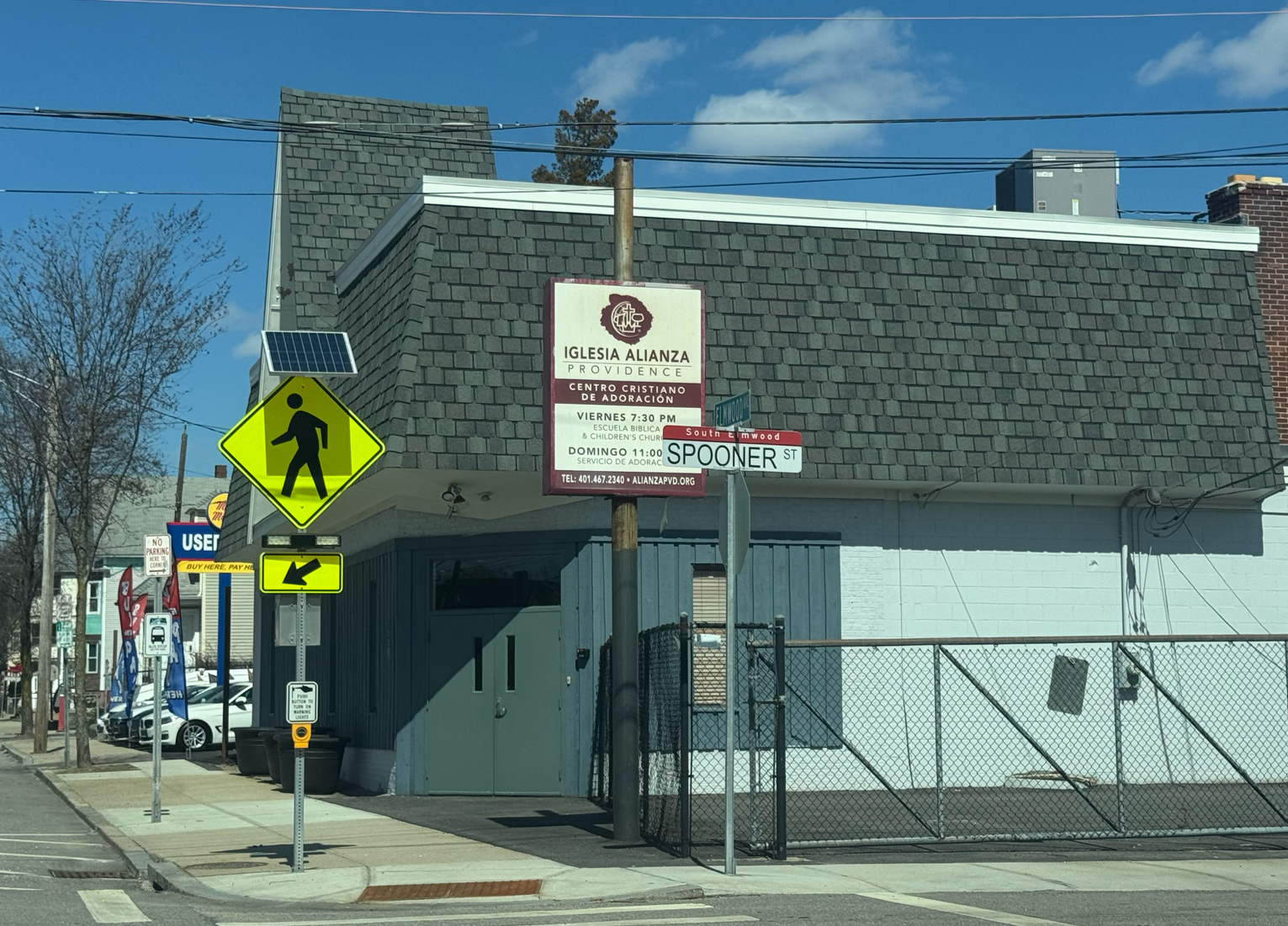
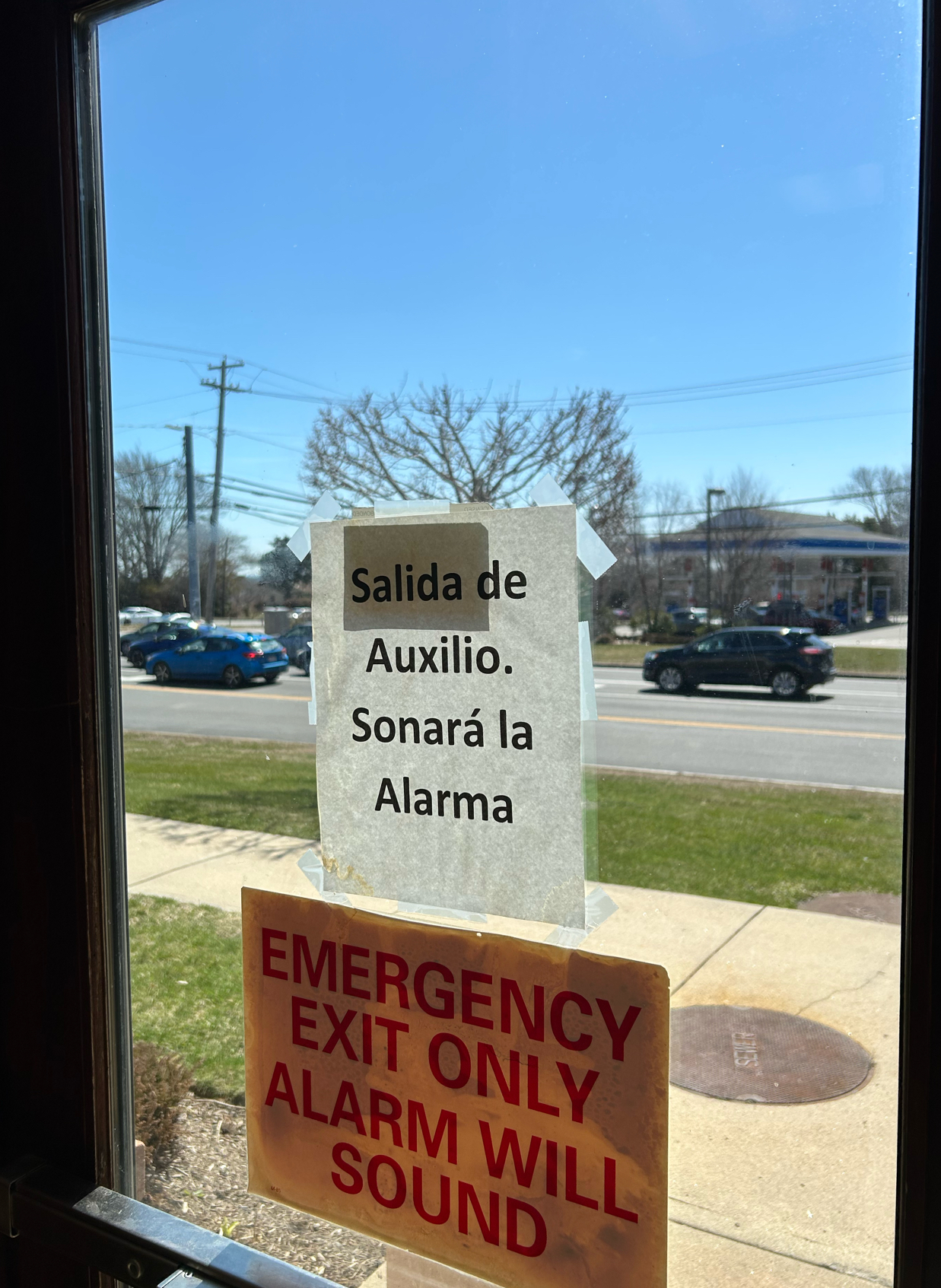
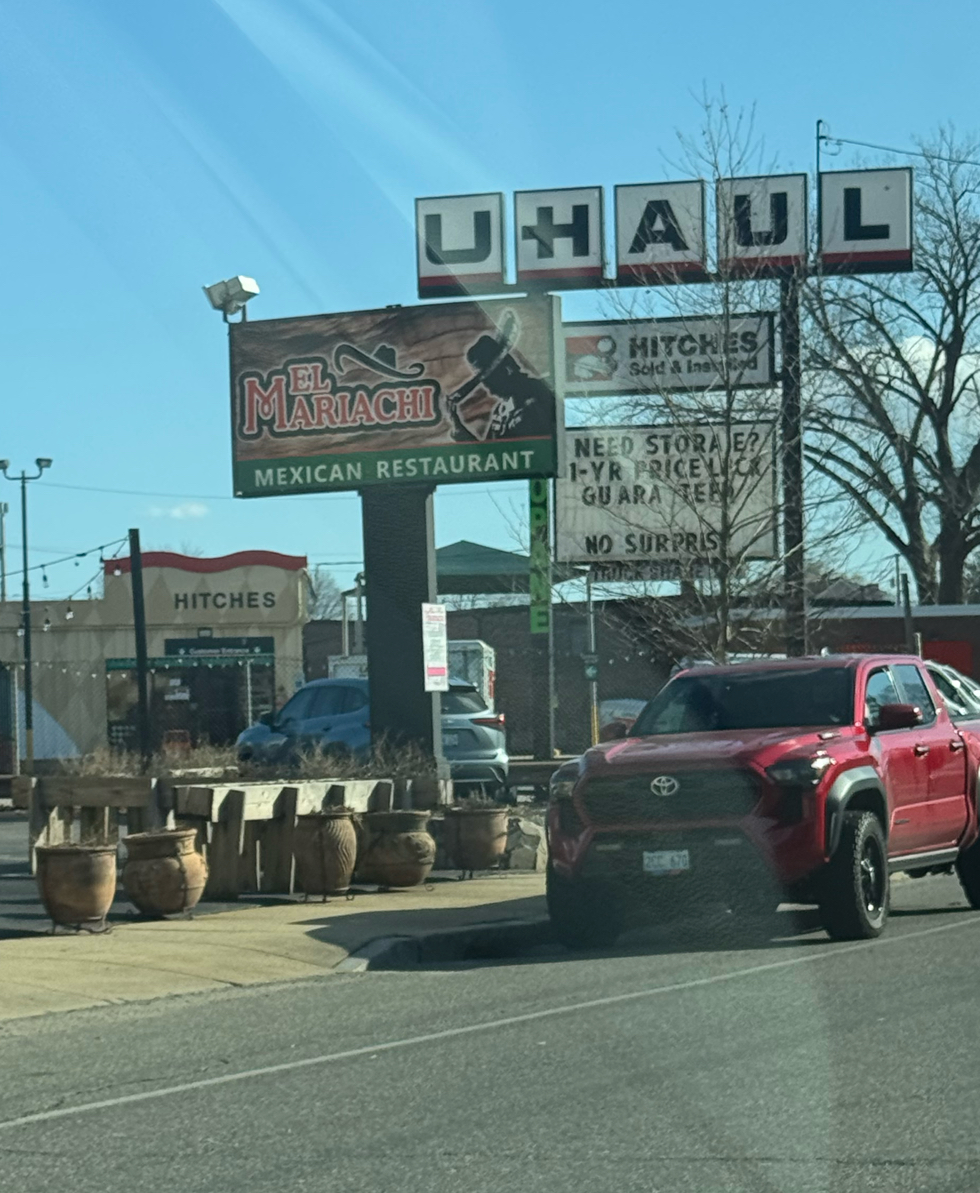
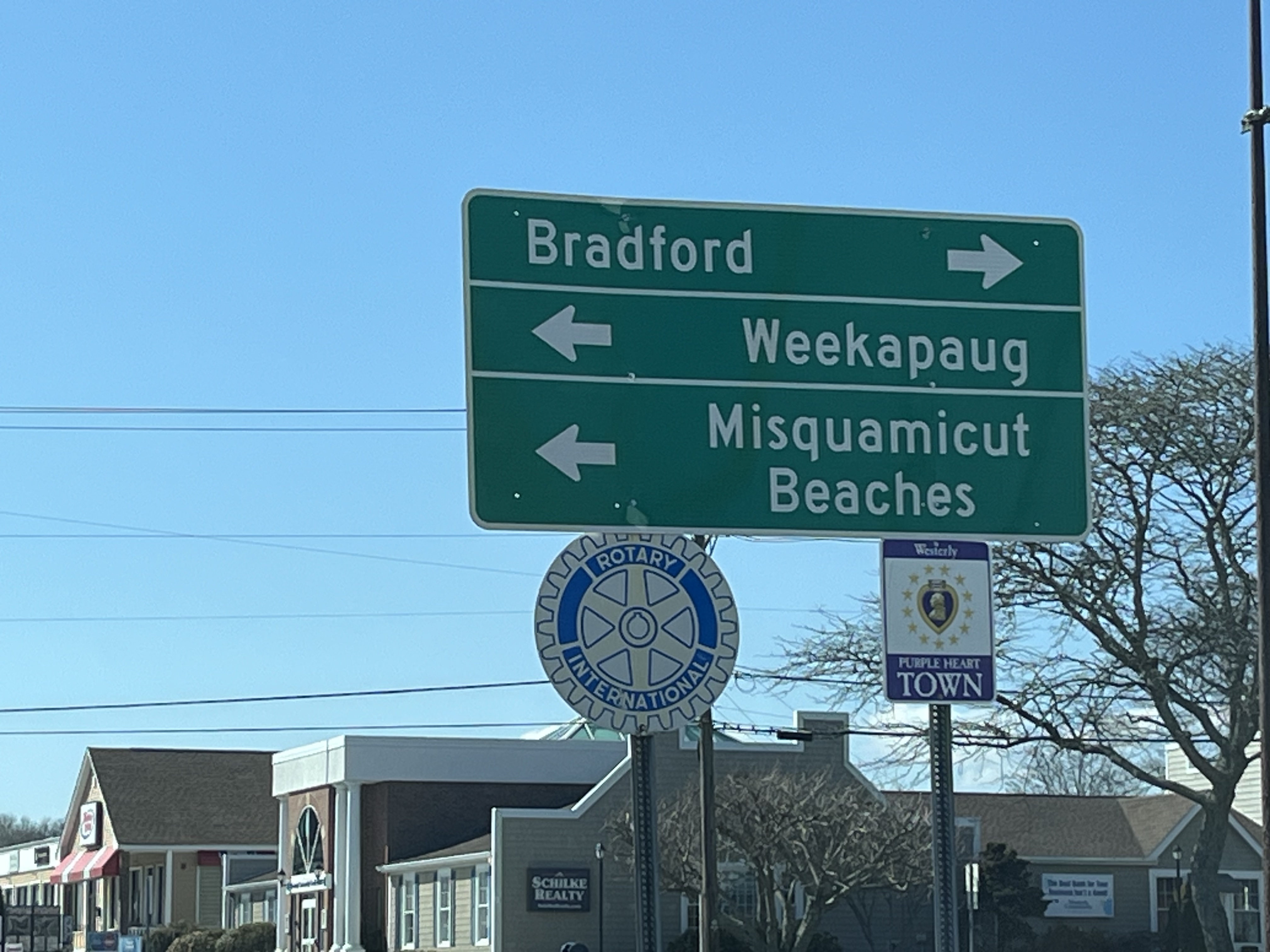
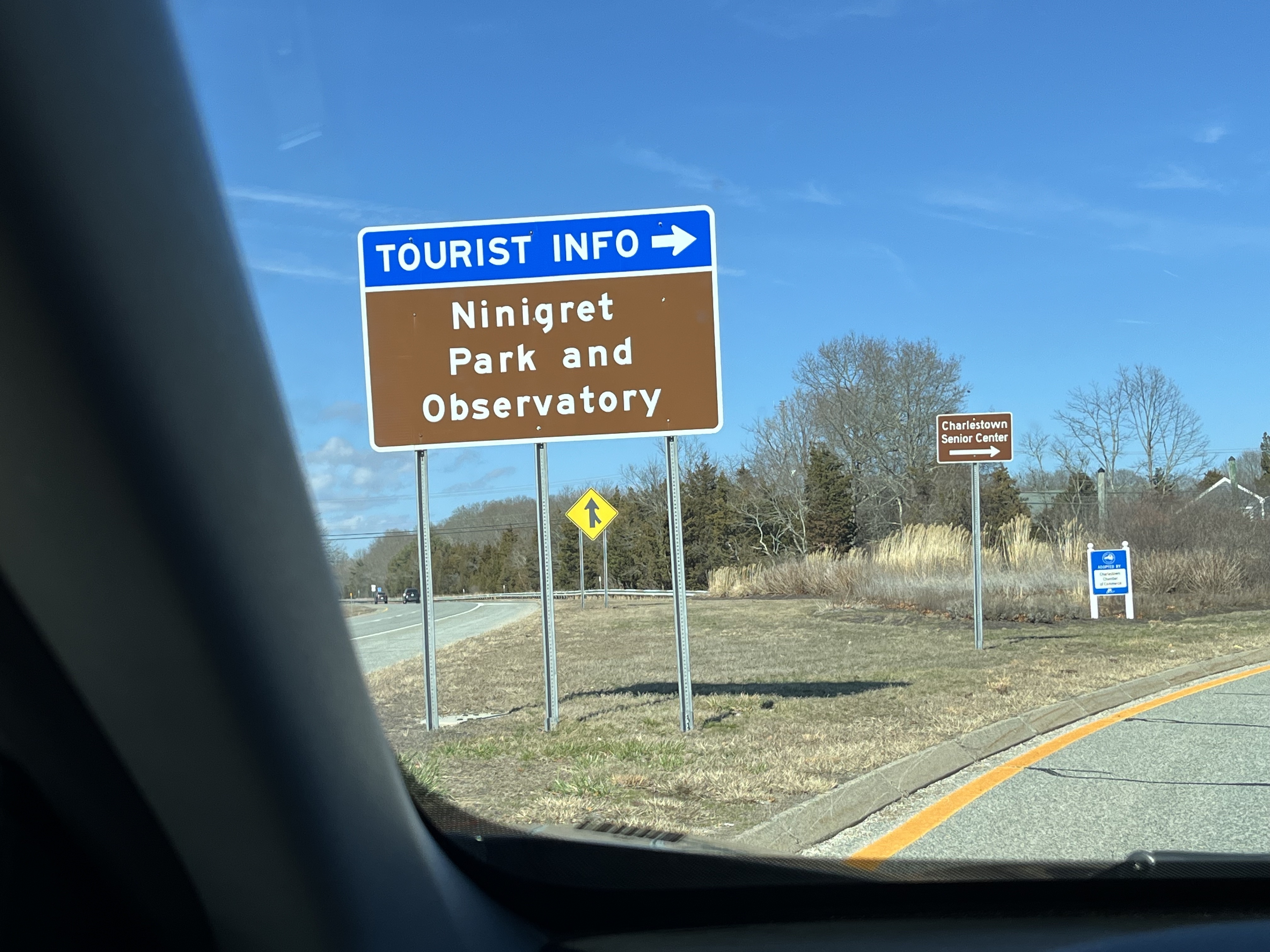
This picture shows that the Malay language aligns the head of morphological compounds to the left, while English compounds are aligned with the head to the right.
155594
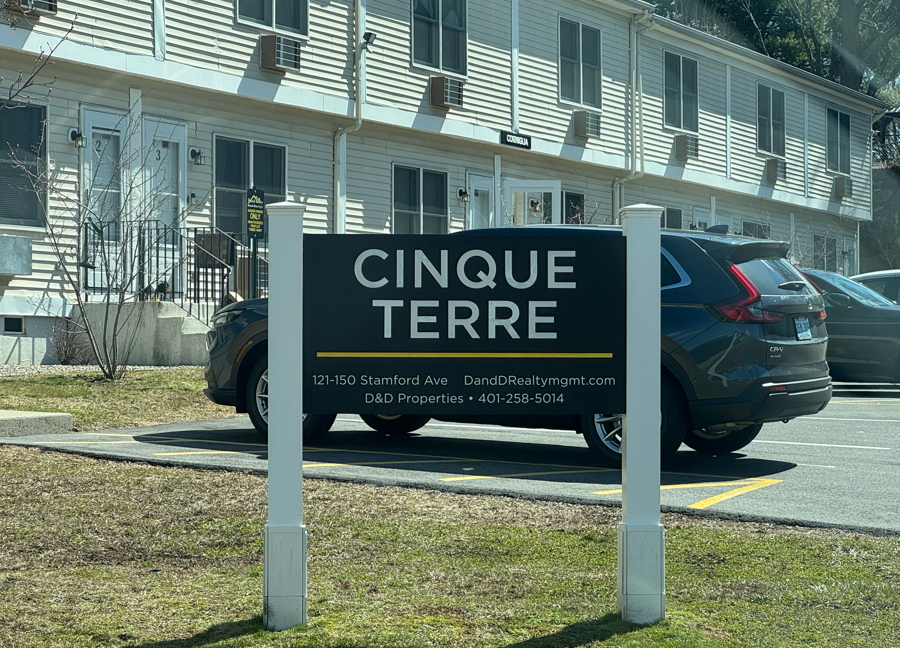
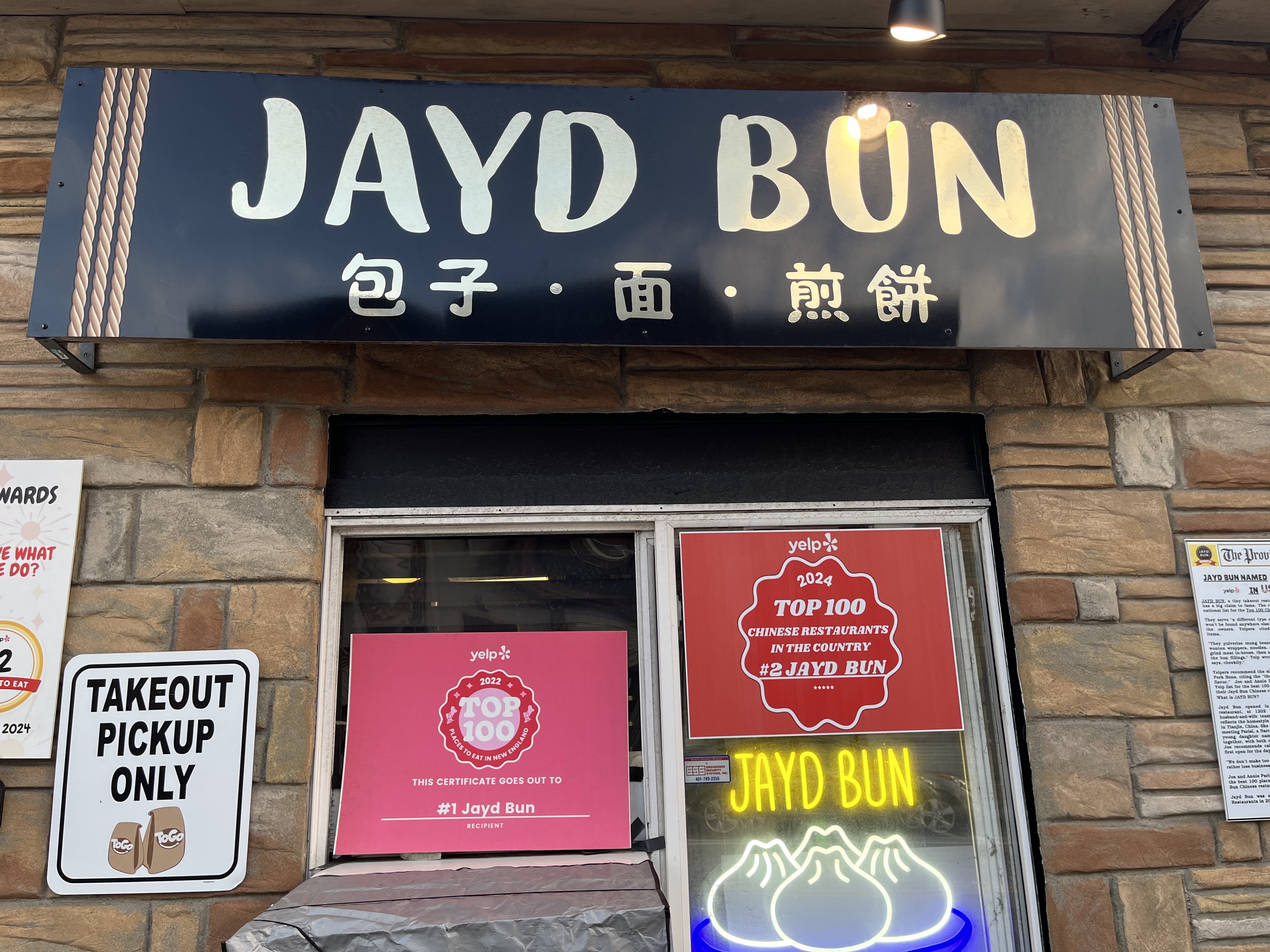
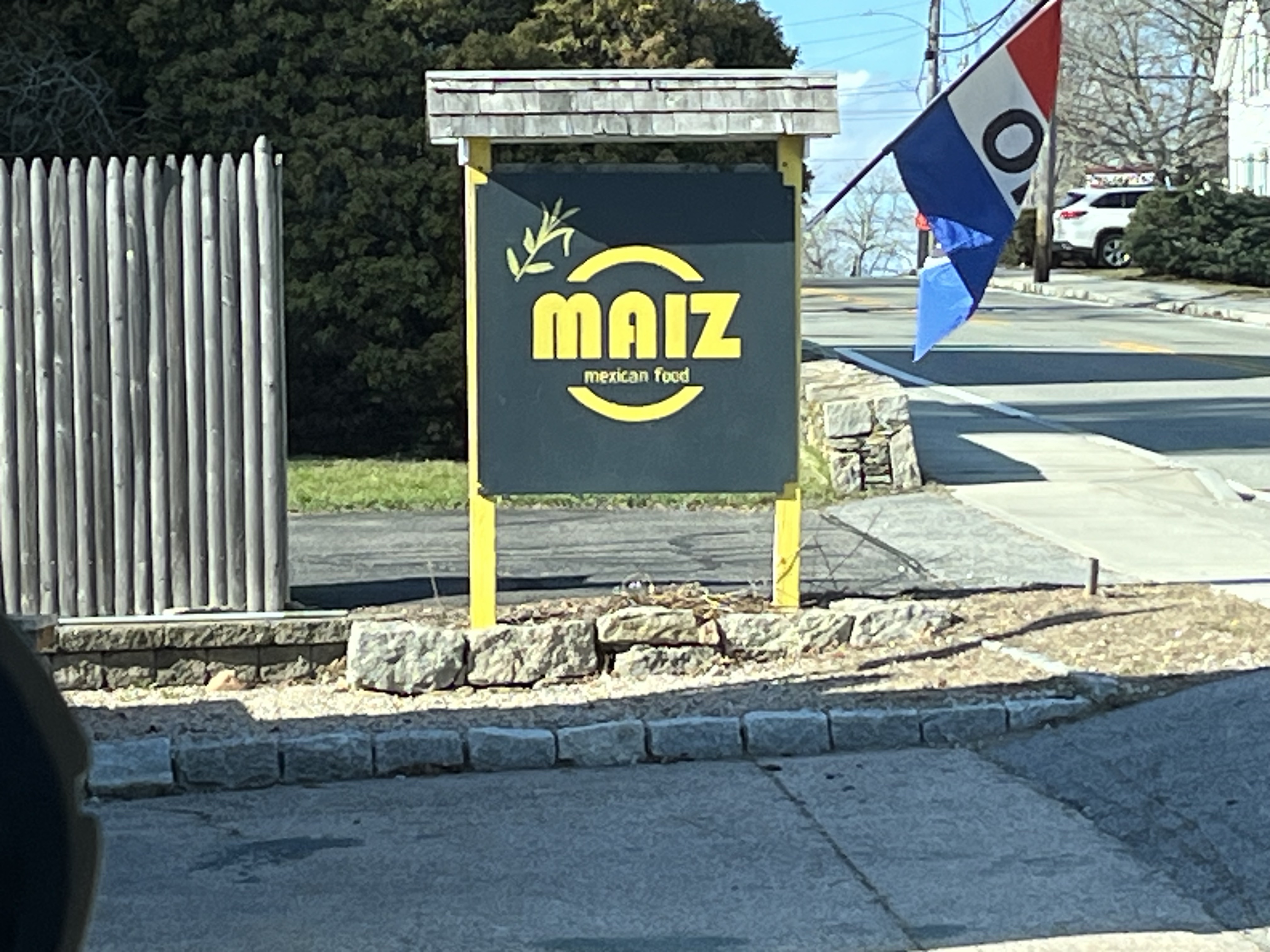
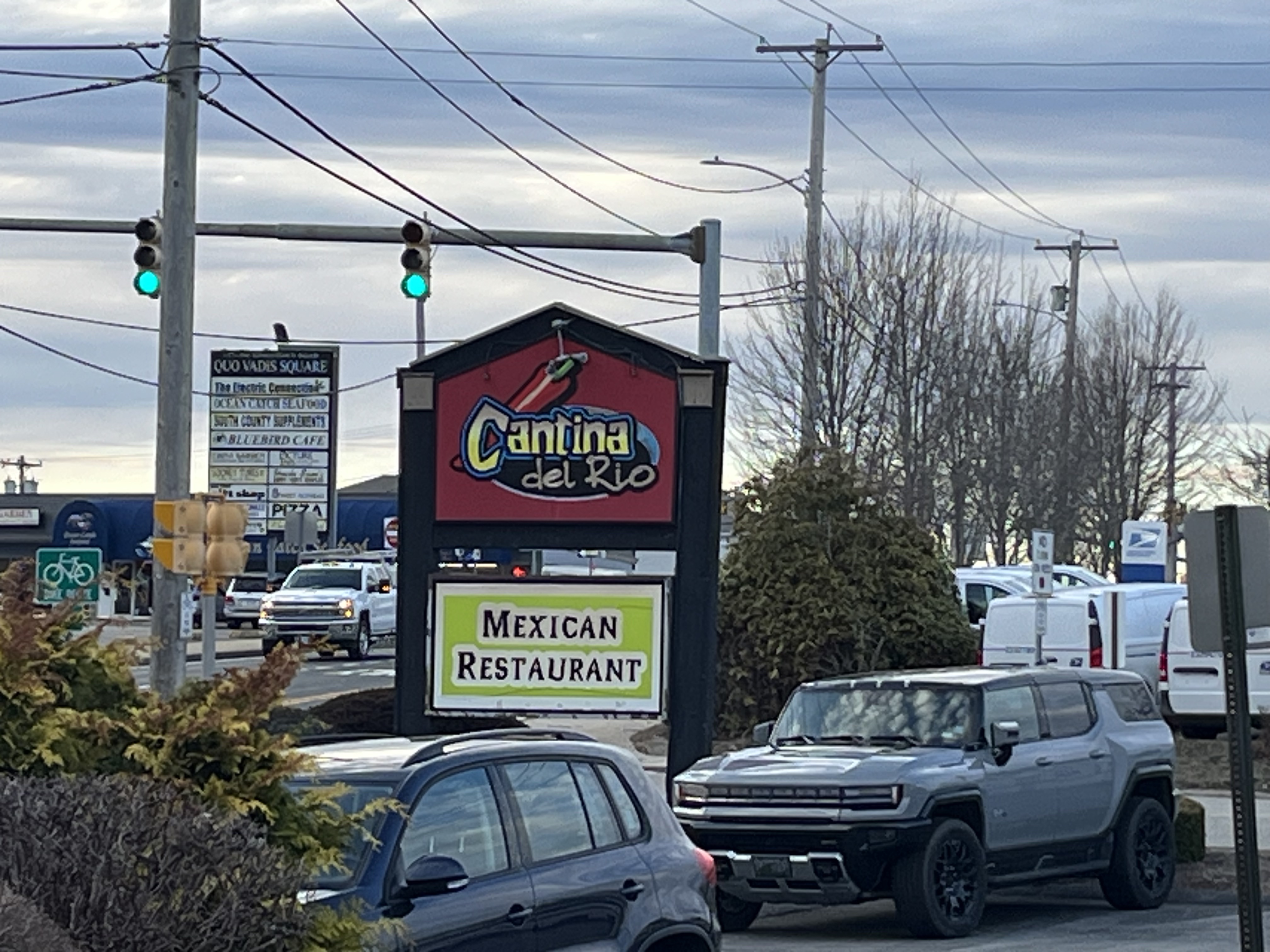
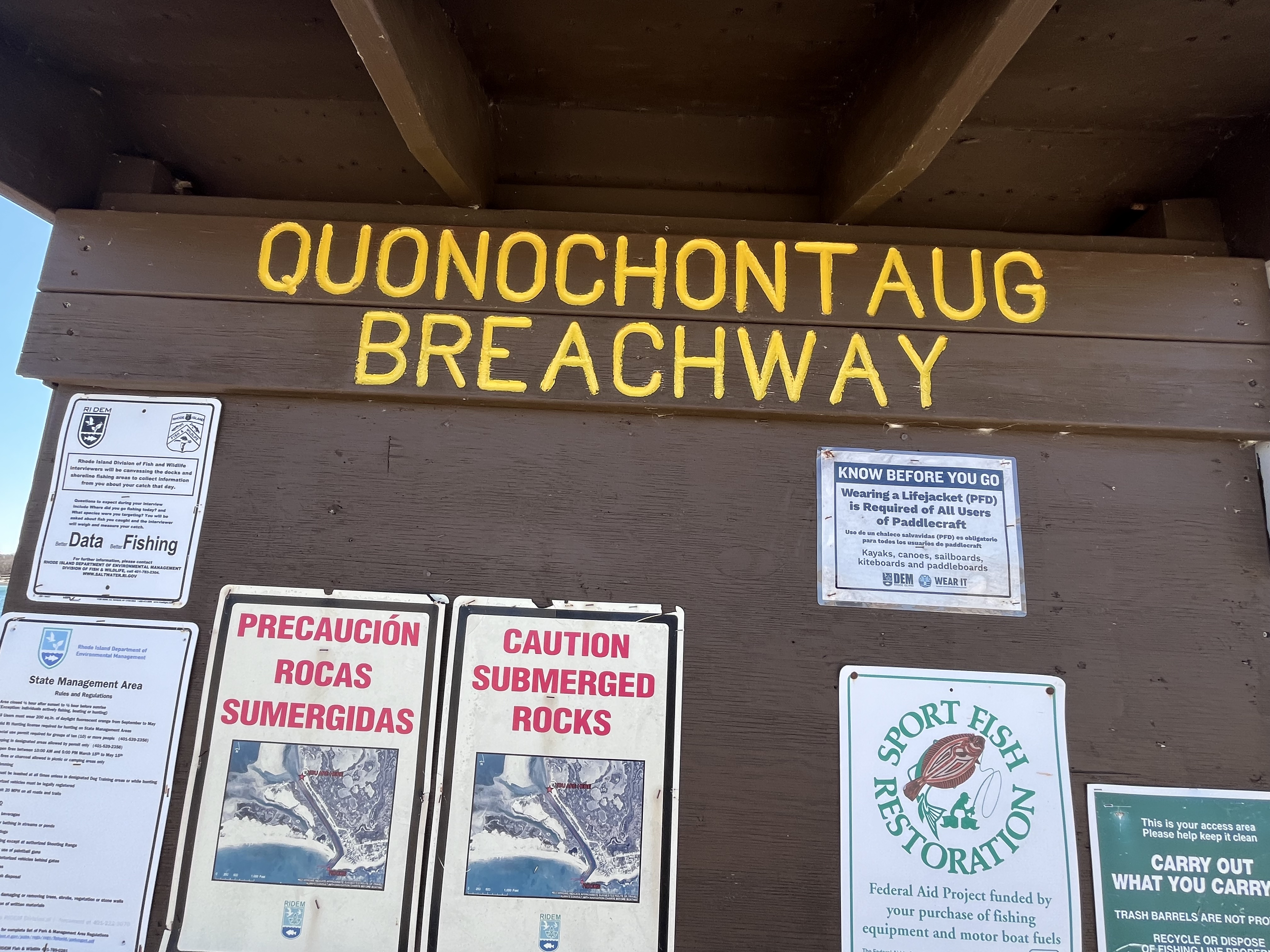
United States
Providence
—
RILL
155644
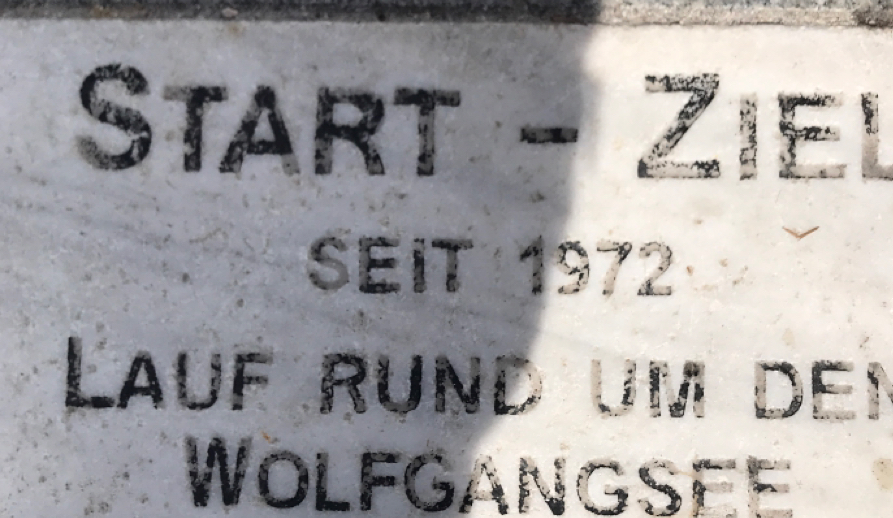
Österreich
Bad Ischl
—
155672
Österreich
Bad Ischl
—
155676
United States
Providence
—
RILL
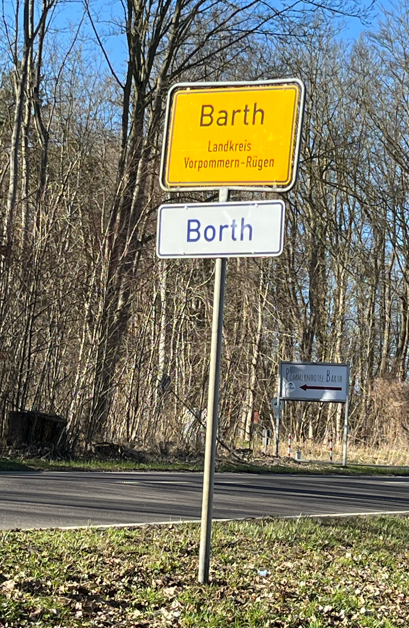
155677
Deutschland
Barth
—
155678
Österreich
Markt
—
155593
Deutschland
München
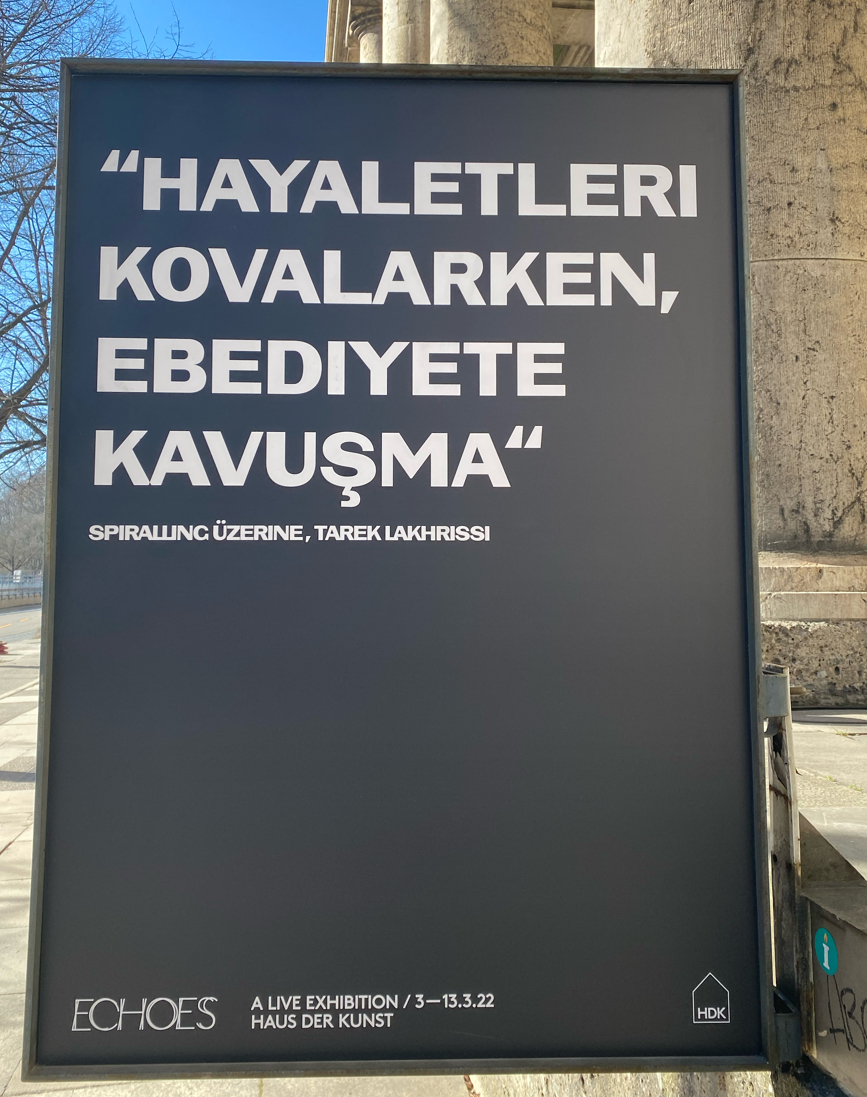
Das Zeichen richtet sich an ein kulturinteressiertes, urbanes Publikum und stellt eine Top-down-Initiative einer kulturellen Institution dar. Es bezeichnet eine künstlerische bzw. expressive Funktion und kann dem Typ Ausstellungs- bzw. Veranstaltungsbeschilderung zugeordnet werden. Verwendet wird Türkisch („HAYALETLERI KOVALARKEN, EBEDIYETE KAVUŞMA“), das hier weniger als rein kommunikatives Mittel, sondern vielmehr als ästhetisches und symbolisches Ausdruckselement fungiert. Hinsichtlich der Materialität und des Modus handelt es sich um ein großformatiges, temporäres Ausstellungsplakat im öffentlichen Raum. Die verwendete Schrift ist lateinisch; auffällig ist jedoch eine selektive Abweichung von der türkischen Orthographie, da das spezifische Graphem „İ“ (großes i mit Punkt) nicht verwendet wird („HAYALETLERI“, „EBEDIYETE“ statt „HAYALETLERİ“, „EBEDİYETE“). Dies kann als Anpassung an dominante typographische oder nicht-türkische Schreibkonventionen interpretiert werden.
English:
The sign is directed at a culturally interested, urban audience and represents a top-down initiative by a cultural institution. It denotes an artistic or expressive function and can be classified as exhibition or event signage. The language used is Turkish (“HAYALETLERI KOVALARKEN, EBEDIYETE KAVUŞMA”), which here functions less as a purely communicative tool and more as an aesthetic and symbolic element of expression. In terms of materiality and mode, it consists of a large-scale, temporary exhibition poster in public space. The script used is Latin; however, a selective deviation from Turkish orthography is notable, as the specific grapheme “İ” (uppercase dotted i) is not used (“HAYALETLERI”, “EBEDIYETE” instead of “HAYALETLERİ”, “EBEDİYETE”). This can be interpreted as an adaptation to dominant typographic or non-Turkish writing conventions.
 Lingscape