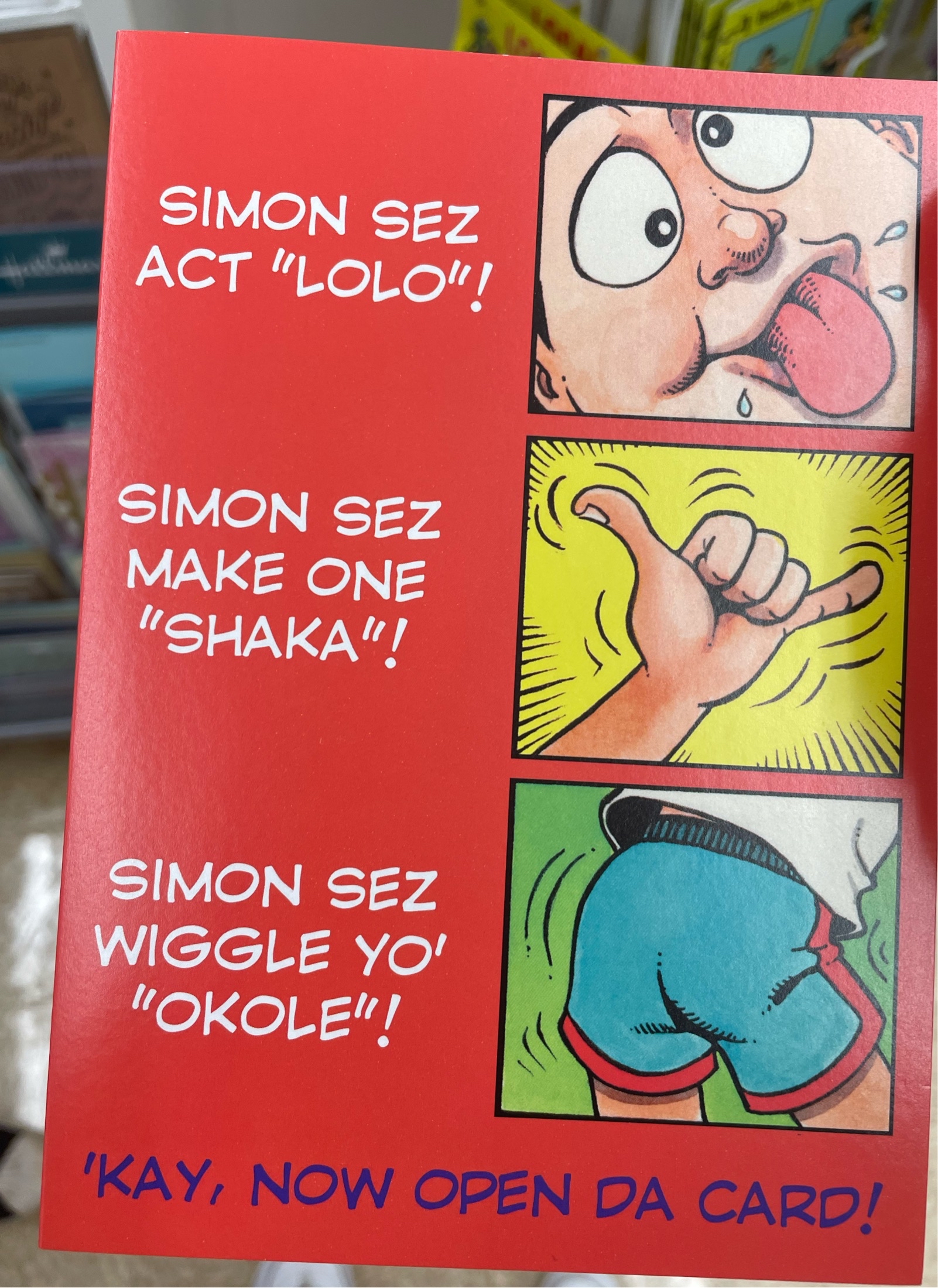
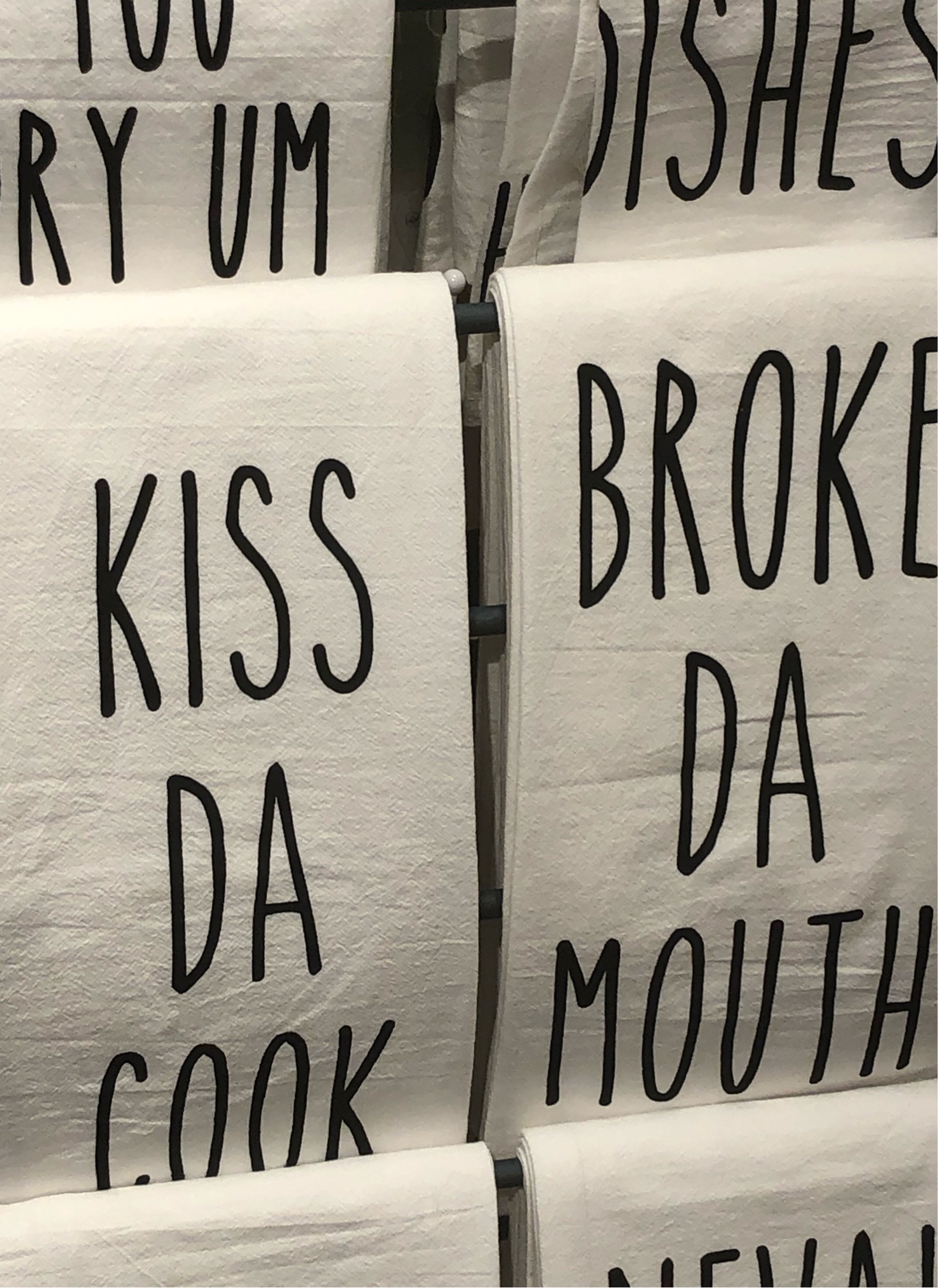
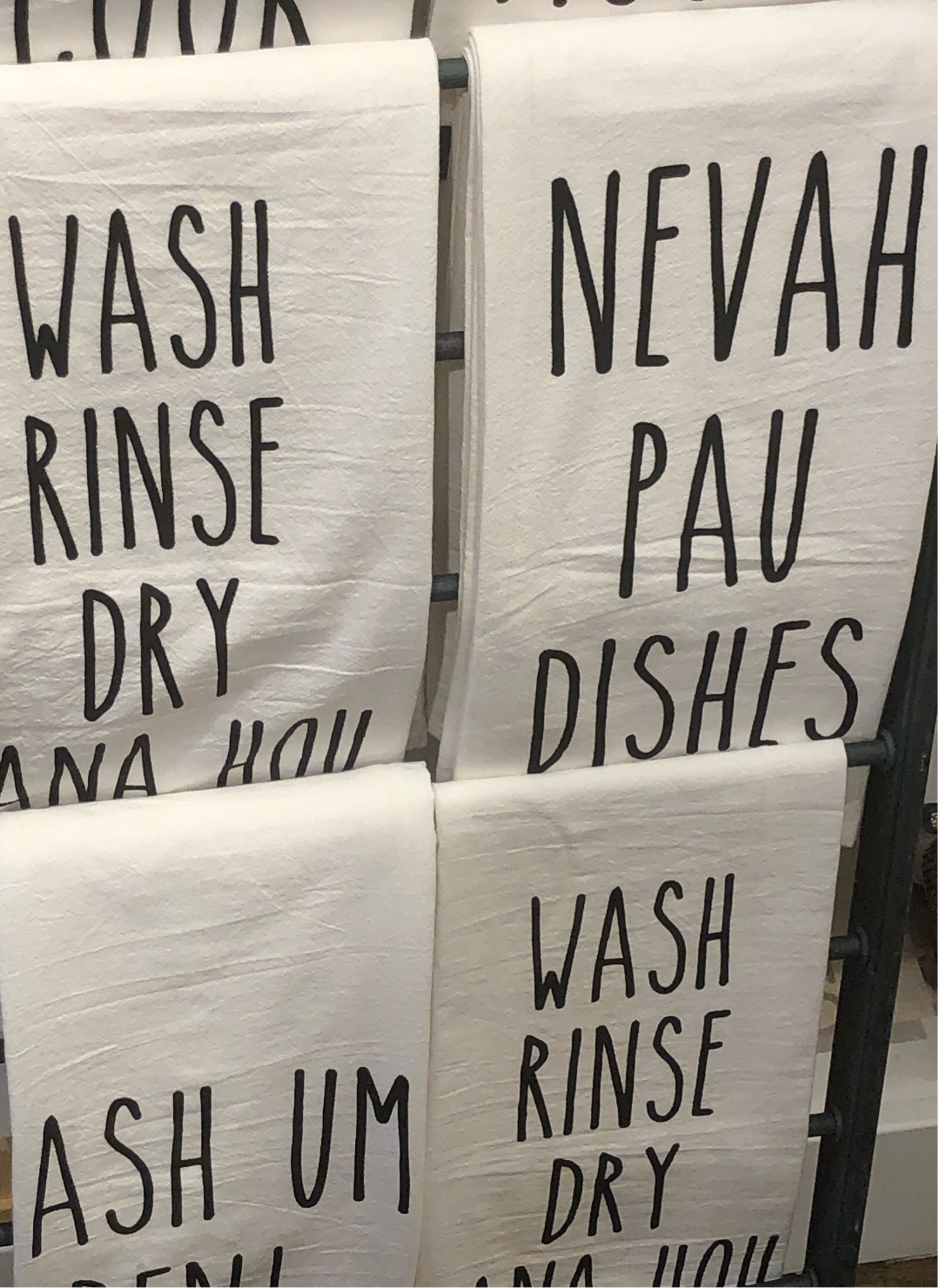
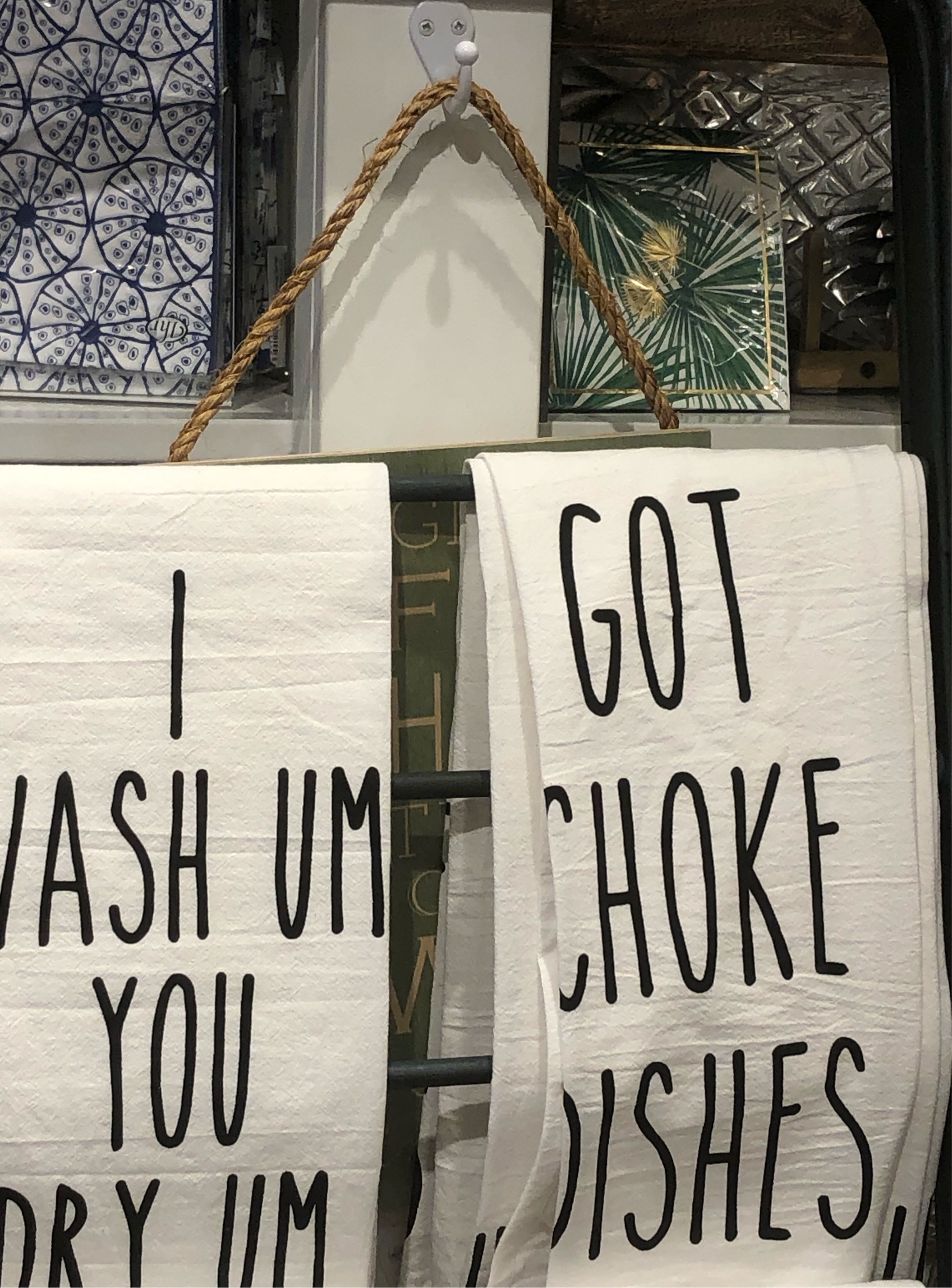
EL-S Check up #2: Pidgin is being used on the card. All of the words are the same font and same size. The audience is those who are thinking of getting a family or friend a card for celebration. The domain is the general public. The card is just telling you some jokes, like you act crazy or shake your butt. Pidgin is used here to add topical humor.
Multilingual Hawaiʻi
134148
Jeromyy
United States
Honolulu
—
Multilingual Hawaiʻi
25092
United States
Honolulu
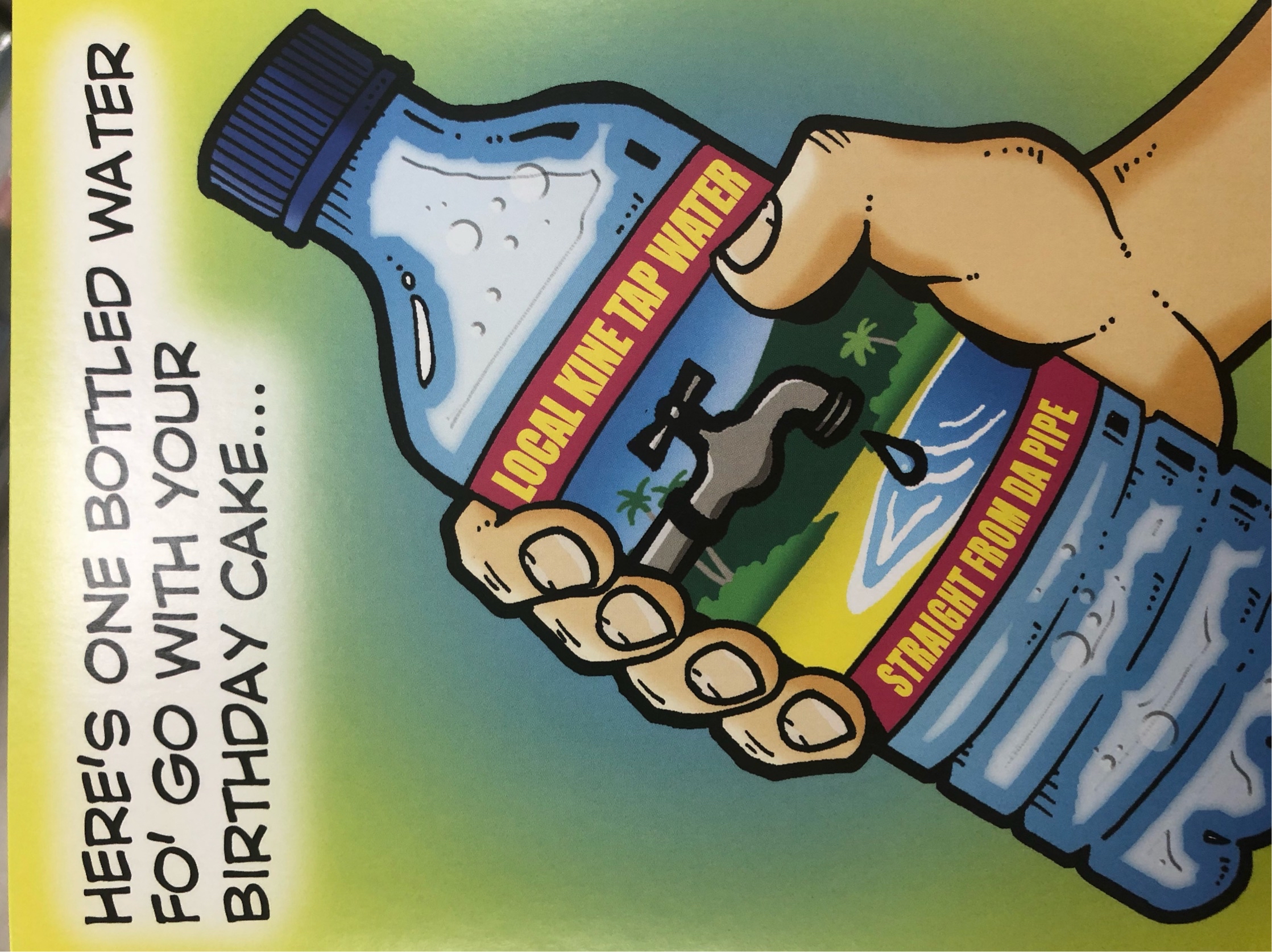
Birthday card at longs drugs. Symbolic authentic. J.A.S
Multilingual Hawaiʻi
42500
United States
Kailua
SM
Multilingual Hawaiʻi
134149
Jeromyy
United States
Honolulu
—
Multilingual Hawaiʻi
42501
United States
Kailua
SM
Multilingual Hawaiʻi
37638
United States
Honolulu
—
Multilingual Hawaiʻi
42502
United States
Kailua
SM
Multilingual Hawaiʻi
24839
United States
Honolulu
This is the design on a T-Shirt. Shaka Bruddah is Pidgin (Hawaiʻi Creole). Shaka refers to a hand sign popular in local Hawaiʻi which has multiple meanings, some of which are ‘thanks’ ‘hello’ ‘goodbye’ while Bruddah is roughly equivalent to English ‘brother’ as a term of endearment. The English translation for Shaka is ‘hang loose’ which is provided on the shirt design. The Hawaiian Islands are located above the Shaka which is flanked by two coconut trees. The bottom contains the words Aloha and Hawaii. This shirt seems to be meant for outsiders making the T-shirt symbolic-synthetic because ‘hang loose’ is not commonly used by locals but rather is used more by the surfer community in the continental US. KS
Multilingual Hawaiʻi
42503
United States
Kailua
SM
Multilingual Hawaiʻi
42504
United States
Kailua
SM
Multilingual Hawaiʻi
42505
United States
Kailua
SM
Multilingual Hawaiʻi
42506
United States
Kailua
SM
Multilingual Hawaiʻi
154891
Amelia O
United States
Laie
Pidgin and English
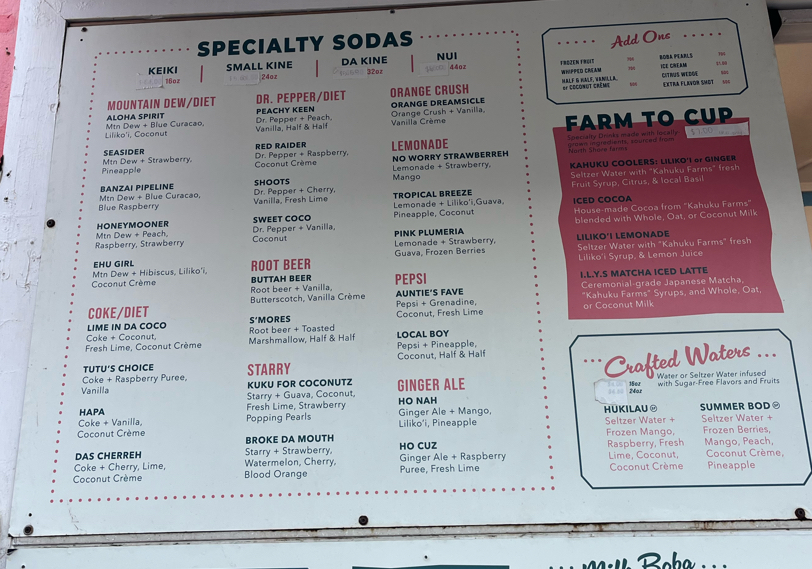
At the Polynesian Cultural Center, I came across this “Soda Bomb” soda truck. What struck me was that the menu was mainly in English but had incorporated Pidgin elements. For example, the “Shoots,” “Ho Nah,” “Ho Cuz,” “Das Cherreh,” and “Broke Da Mouth” drinks are all elements/phrases within the Pidgin language. This showed me how businesses use elements such as Pidgin to connect to local customers. The use of Pidgin here reflects the community around it. It made me realize that multilingualism also represents culture, and that language choices in public spaces can make people feel recognized and embodied.
Multilingual Hawaiʻi
42507
United States
Kailua
SM
Multilingual Hawaiʻi
154892
Amelia O
United States
Honolulu
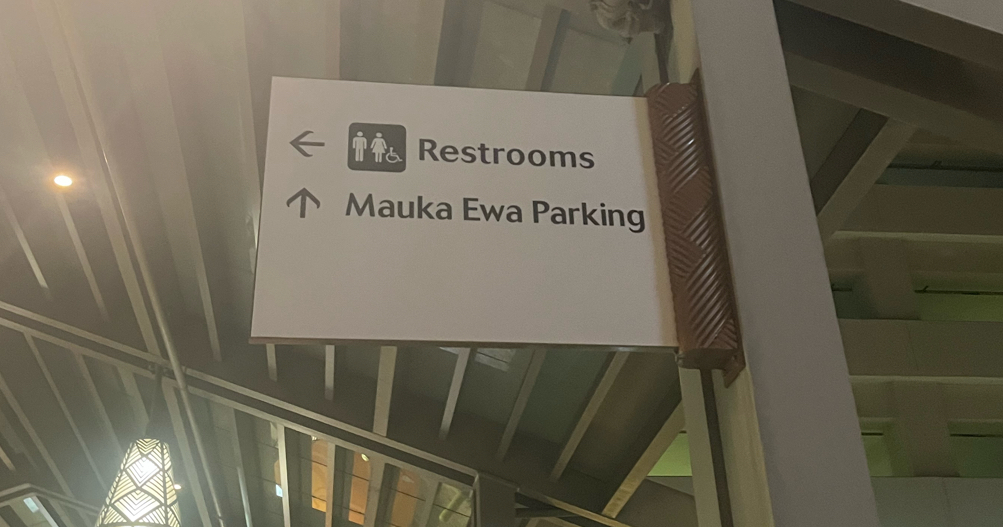
I took this photo of directions in ʻŌlelo Hawaiʻi at Ala Moana Shopping Center. “Mauka” means “towards the mountains” in ʻŌlelo, and “Ewa” can refer to the Western direction. This example stood out to me because it reflects efforts to revitalize the Hawaiian language in public spaces. Since Hawaiian was once banned in schools, seeing it used publicly today helps normalize and celebrate Hawaiian culture. I thought about how many visitors/tourists go to Ala Moana. Having these ʻŌlelo directions in public encourages people to learn and recognize the language. It showed me how public signage can help preserve language.
Multilingual Hawaiʻi
42508
United States
Kailua
SM
Multilingual Hawaiʻi
154893
Amelia O
United States
Honolulu
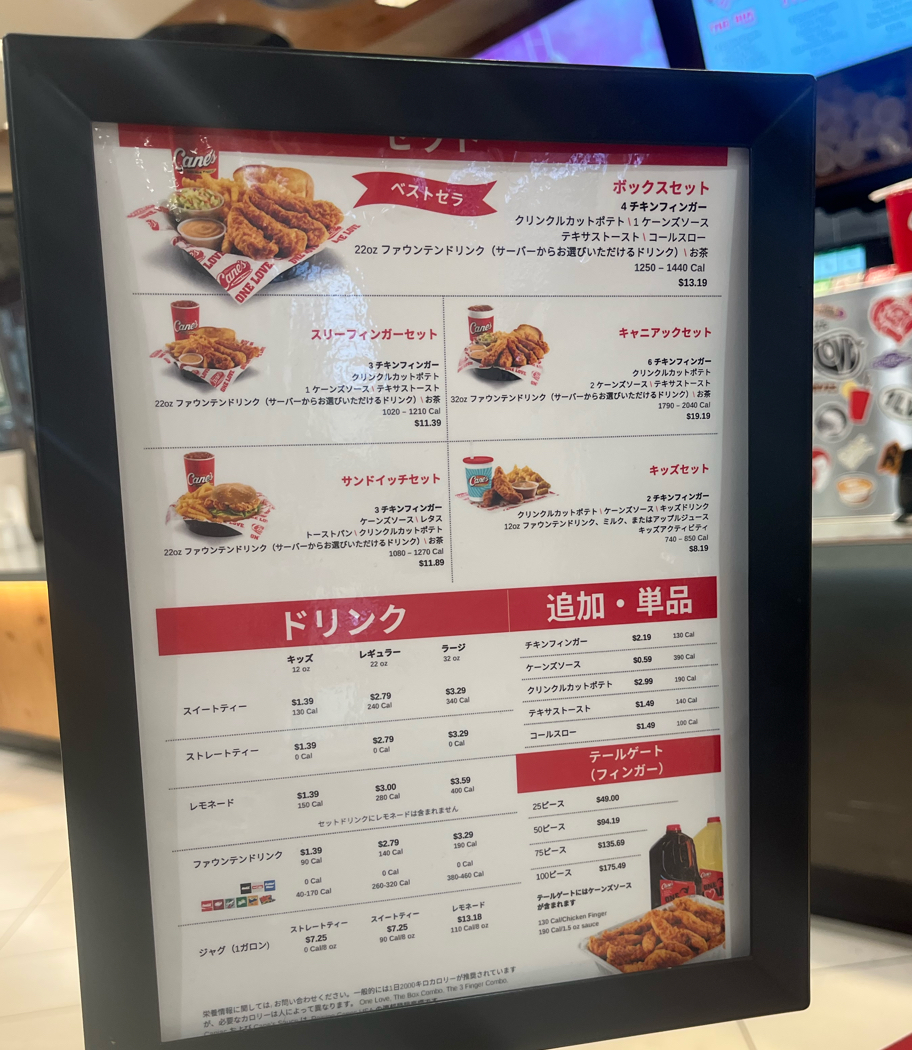
Normally, I am used to seeing QR codes that link to digital menus in other languages, so I was very surprised when I saw this physical stand in full Japanese at the Ala Moana Cane’s location. I took a moment to think about how many international visitors I see at Ala Moana daily. I realized I had not really thought about why multiple languages appear on menus. Taking this photo made me realize that multilingual signage is used to welcome different groups of people. I thought about how businesses here adapt to different communities to reflect the diversity in Hawaii.
 Lingscape