|
ID |
Nickname |
Country / City |
Languages |
Taxonomies |
Comment |
Project / Group |
Map |
|
47171
|
|
United States
Honolulu
|
|
|
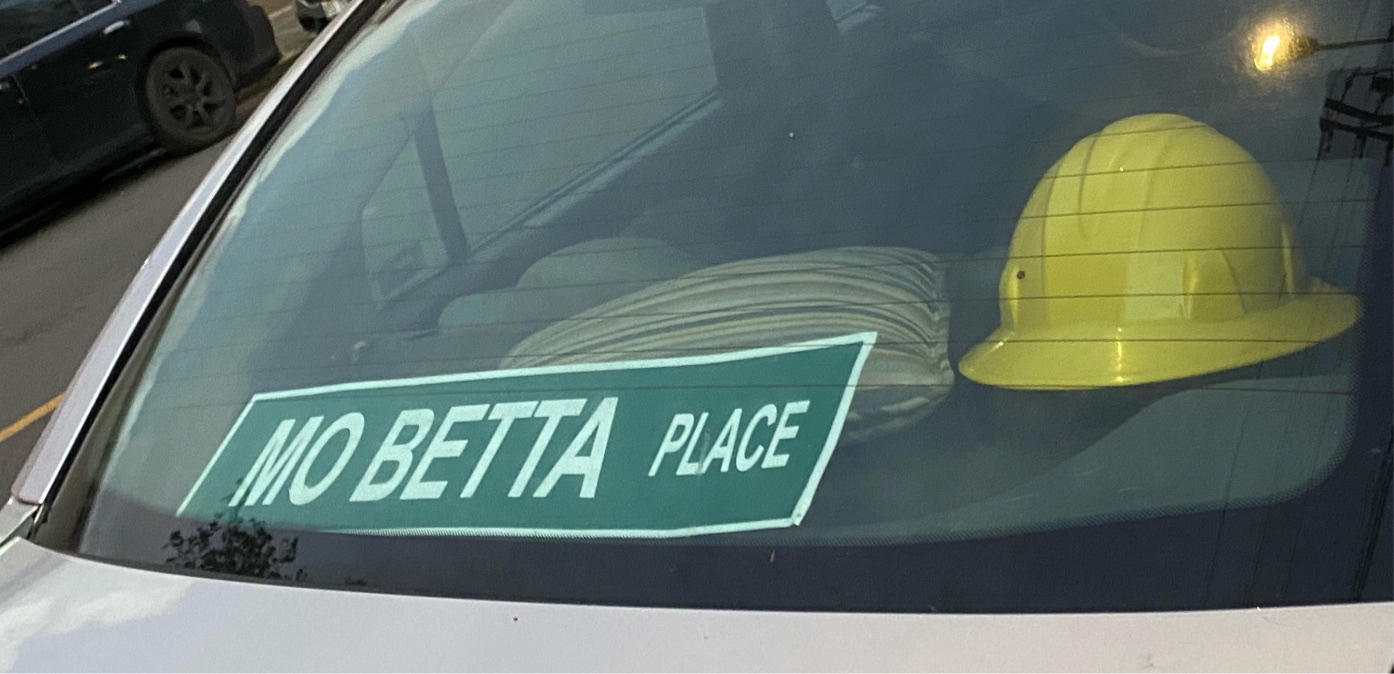
AJR - Check In #3 Pidgin is being used in this makeshift street sign as you can see in this photo with the phrase “mo betta place”. The intended audience is most likely locals but can be considered on a wider scale and be aimed more towards anyone.
|
Multilingual Hawaiʻi
|
|
|
157252
|
JonahQ
|
United States
Waialua
|
|
|
—
|
Multilingual Hawaiʻi
|
|
|
38980
|
|
United States
Honolulu
|
|
|
—
|
Multilingual Hawaiʻi
|
|

|
44100
|
|
United States
Kailua
|
|
|
The domain is towards the consumers of Jamba Juice and the general public. The Hawaiian in this case is all names of places on the island of Oahu. The intended audience I feel is more towards tourists because all these places are places tourists were usually go or its a hotspot for tourists. It could be printed on wallpaper. The implied message is to advise tourists and maybe locals to go there for their next trip because of the nice scenery.
- CQ
|
Multilingual Hawaiʻi
|
|

|
47172
|
|
United States
Honolulu
|
|
|
HC
medium: Leather label of a pencil case
message: "Dakine" is a simple placeholder word for describing any nondescript object in Pidgin
implied audience: Students, local students
how it relates to language rights: "Dakine" is a fashion brand that specializes in local surf culture and lifestyle, as their eponymous name is subsequently used as their message.
|
Multilingual Hawaiʻi
|
|

|
38981
|
|
United States
Aiea
|
|
|
—
|
Multilingual Hawaiʻi
|
|
|
44101
|
|
United States
Kailua
|
|
|
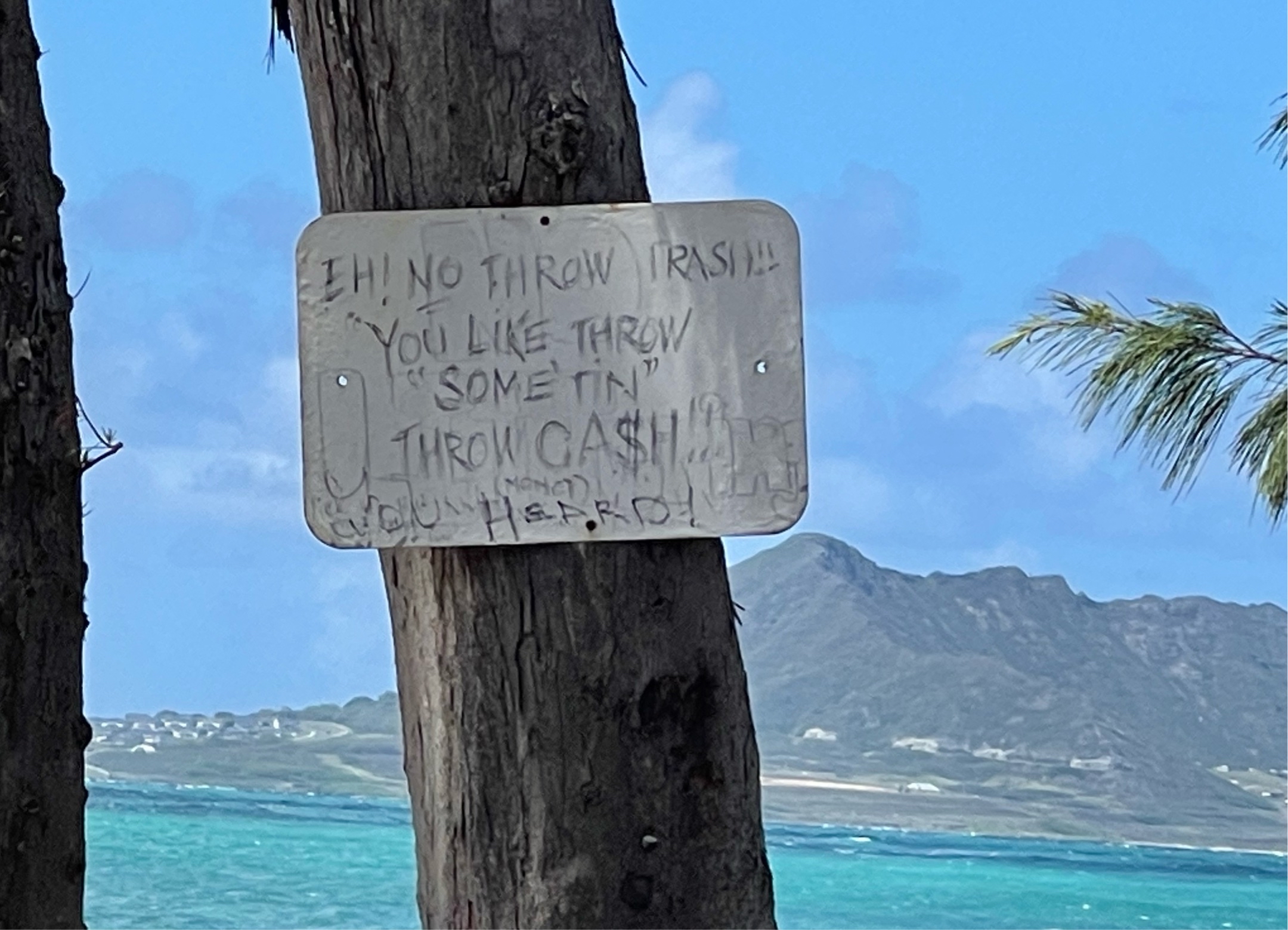
The domain is for the public specifically towards those who liter at Kailua Beach Park. The pidgin in this case acts as message more of locals to tourists but also other locals too. It shows how locals care about Hawaii’s environment and want to take care of it. Instead of a sign just tell people to throw away their trash in the bins this has more attitude and tone so it created impact. The intended audience is for both tourists and locals at Kailua Beach Park. It is printed on a metal sheet. The implied as mentioned earlier was to not throw trash out on the beach. The literal translation is “Hey! Don’t throw trash here. If you want to throw something, throw cash! You hear!"
- CQ
|
Multilingual Hawaiʻi
|
|

|
47173
|
|
United States
Kailua
|
|
|
HC
medium: Christmas greeting card
print: Printed on index cardboard
message: "Da kine stuff I like for Christmas"- "The things I would like for Christmas." in Pidgin translation
implied audience: Friends, Family
how it relates to language rights: The use of Pidgin and furthermore description of wants for christmas translated to pidgin calls to attention, a positive list of things that can spread the christmas cheer.
|
Multilingual Hawaiʻi
|
|
|
157254
|
JonahQ
|
United States
Waipahu
|
|
|
—
|
Multilingual Hawaiʻi
|
|
|
44102
|
|
United States
Honolulu
|
|
|
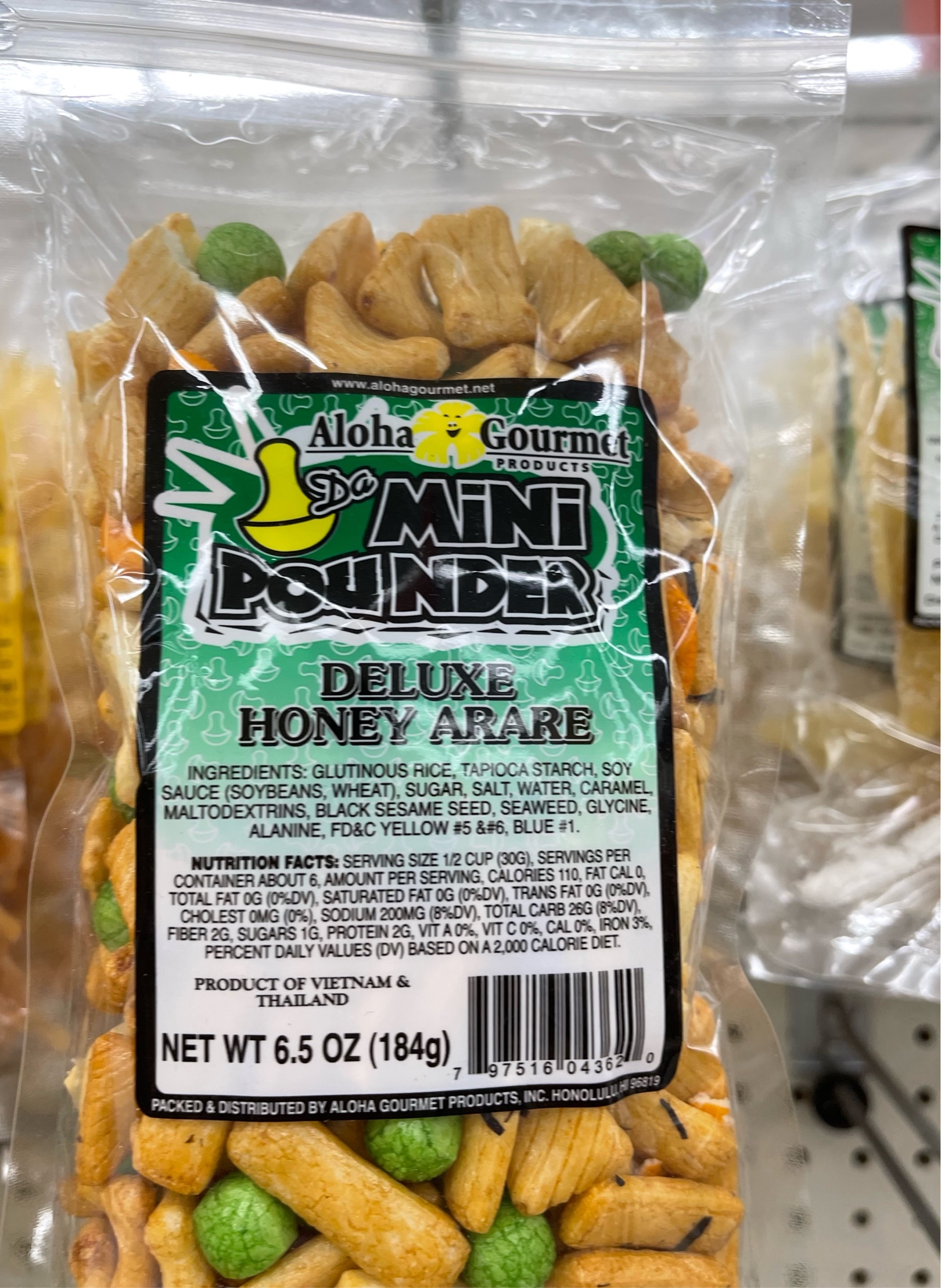
The domain is more personal and relates to people who are craving a Hawaii snack. The Pidgin in this case is the small yet visible “Da” before “Mini Pounder”. Da means the. The intended audience is for locals as this snack is most likely popular among locals. It is printed on plastic. The implied message is this snack is delicious.
- CQ
|
Multilingual Hawaiʻi
|
|

|
47174
|
|
United States
Honolulu
|
|
|
AJR - Check In #3 This picture shows a an advertisement sign by Central Pacific Bank. The languages used in this sign are English and Pidgin with the word “Shaka” in large print while the rest of the English words are in much smaller print. With how large “Shaka” is compared to the rest of the words on the ad, it brings most of the focus to it while the rest of the ad acts as a background filler. The intended audience is anyone capable of speaking English since the ad is placed outside next to a major street
|
Multilingual Hawaiʻi
|
|
|
38983
|
|
United States
Honolulu
|
|
|
—
|
Multilingual Hawaiʻi
|
|

|
44103
|
|
United States
Honolulu
|
|
|
The domain is for the public and to promote this Hawaii snack. The purpose of this Pidgin is to lure in locals and to promote this product by saying that it is delicious. Ono means delicious. It is printed on paper. The implied message is that this Hawaii snack is a premium delicious lemon li-hing seeds.
- CQ
|
Multilingual Hawaiʻi
|
|

|
47175
|
|
United States
Kailua
|
|
|
HC
medium: Pidgin Language Visual Dictionary
print: Paperback book
message: "Pidgin to da max"- "Definitive Pidgin" translated to HWC
implied audience: Locals, Tourists
how it relates to language rights: "Pidgin to da Max" is the definitive guide to learning pidgin terms and vocabulary in Hawaii, as of 1983.
|
Multilingual Hawaiʻi
|
|
|
38984
|
|
United States
Honolulu
|
|
|
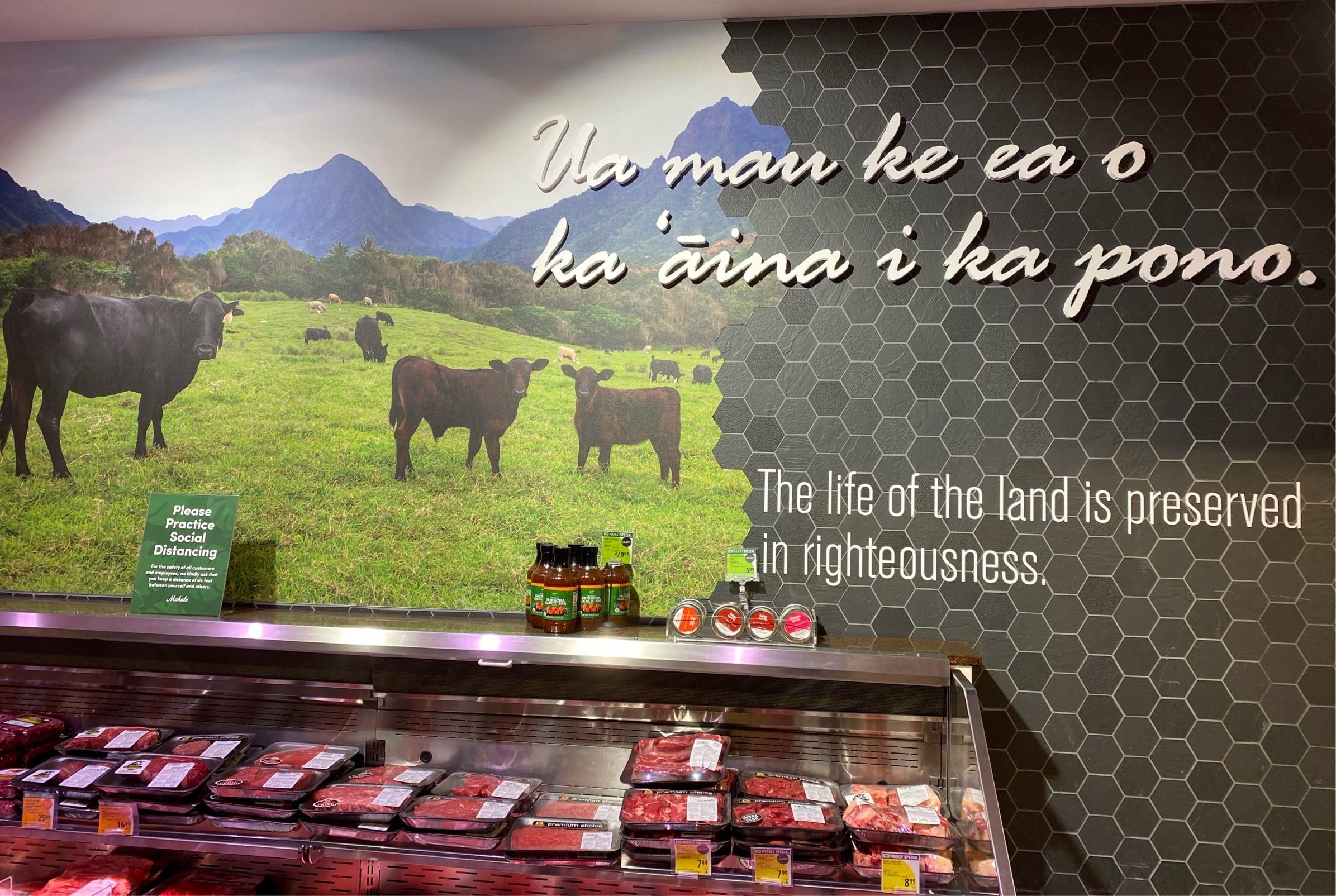
In the meat department in Foodland
|
Multilingual Hawaiʻi
|
|
|
47176
|
|
United States
Honolulu
|
|
|
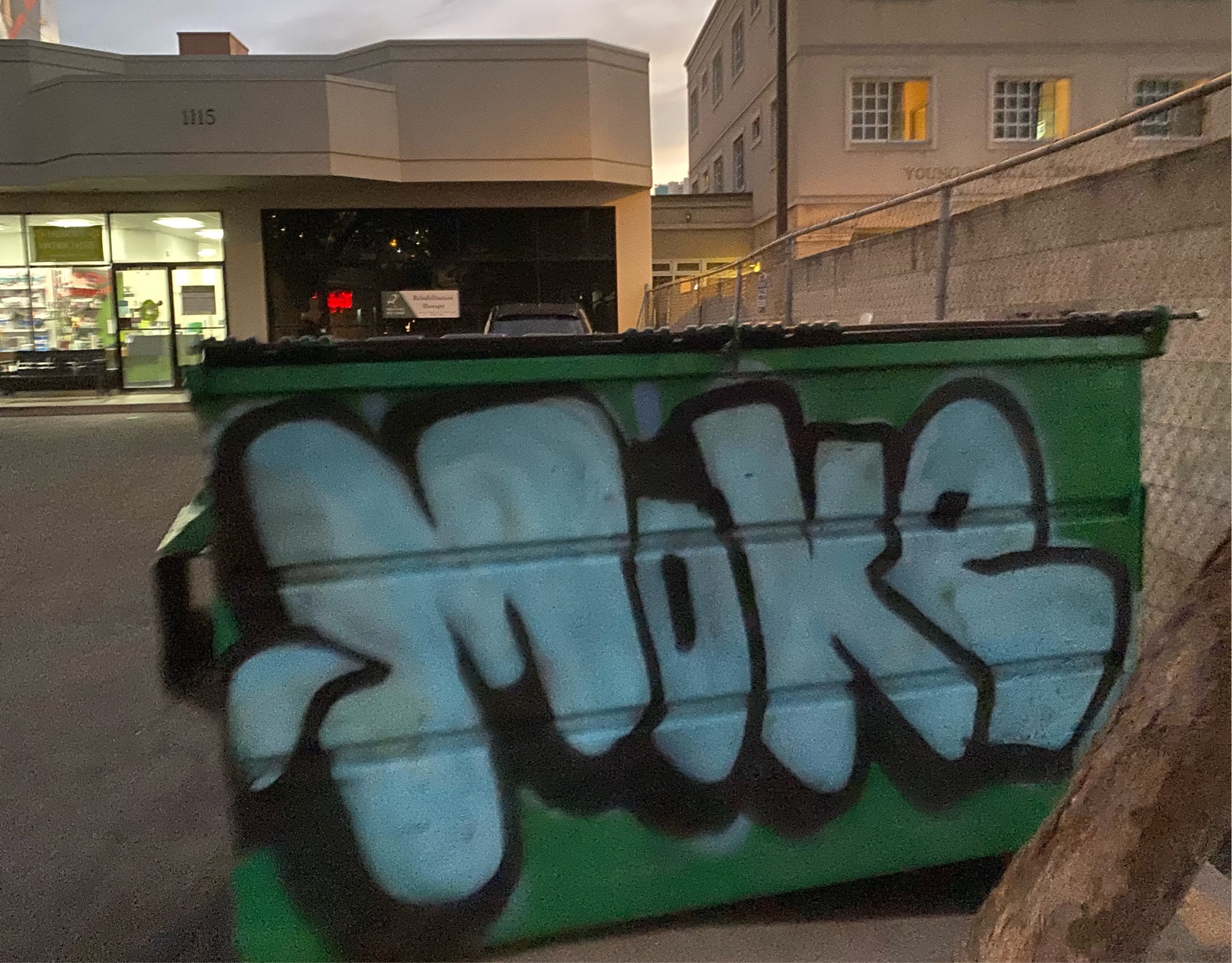
AJR - Check In #3 This picture displays graffiti on a dumpster. In my understanding, the word “moke” refers to a male local of Hawaii, most often of Native Hawaiian descent, who partakes in activities such as fishing, BBQing, things of the like. The idea is that a “moke” is a true local of the islands. The intended audience can be considered to be anyone that sees this dumpster, however, with the message included it may be geared more towards locals who understand the meaning of the word
|
Multilingual Hawaiʻi
|
|
|
156233
|
CheyenneH
|
United States
Honolulu
|
|
|
—
|
Multilingual Hawaiʻi
|
|
|
38473
|
|
United States
Aiea
|
|
|
—
|
Multilingual Hawaiʻi
|
|
|
38985
|
|
United States
Honolulu
|
|
|
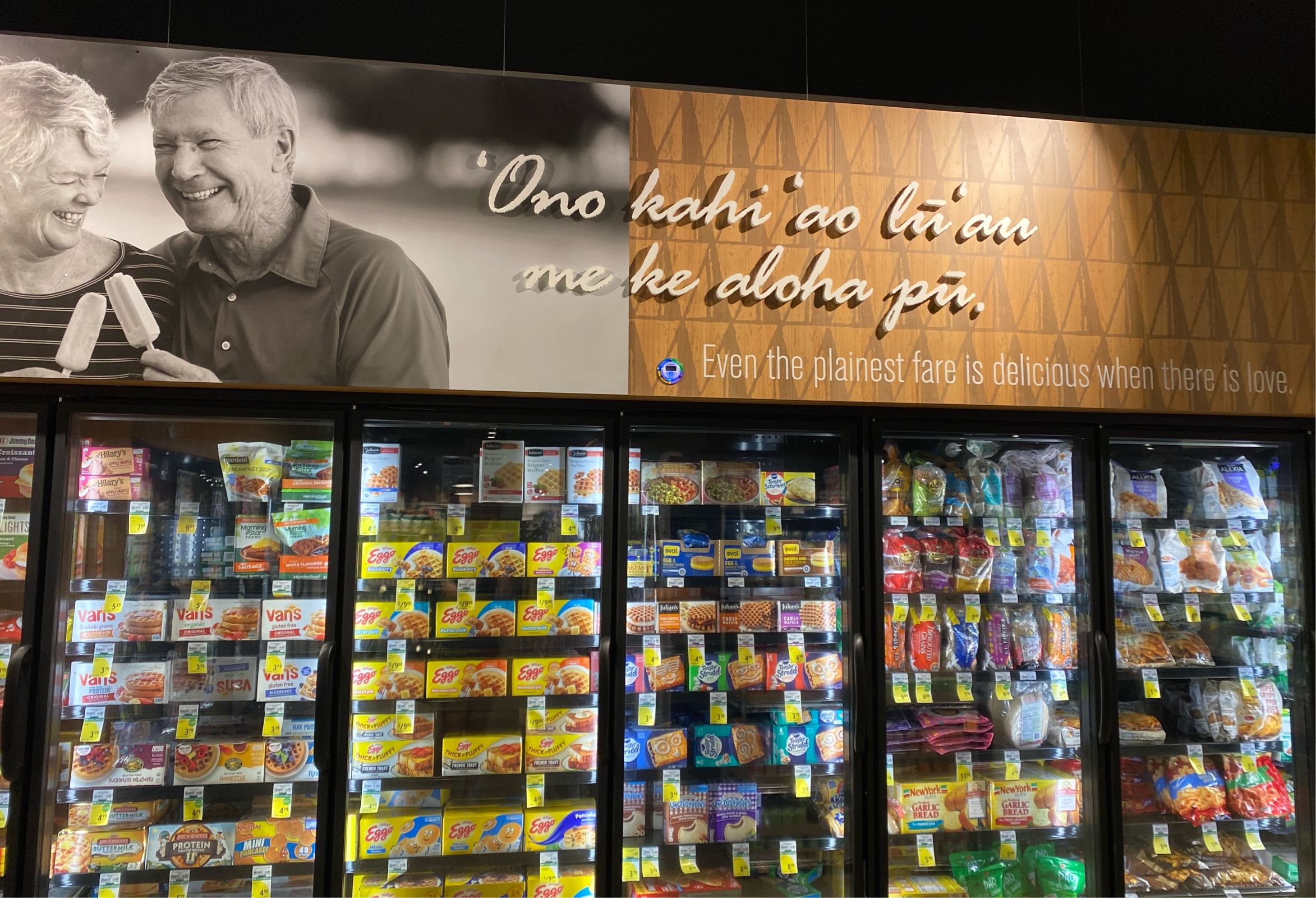
In Foodland
|
Multilingual Hawaiʻi
|
|
|
44105
|
|
United States
Honolulu
|
|
|
JP
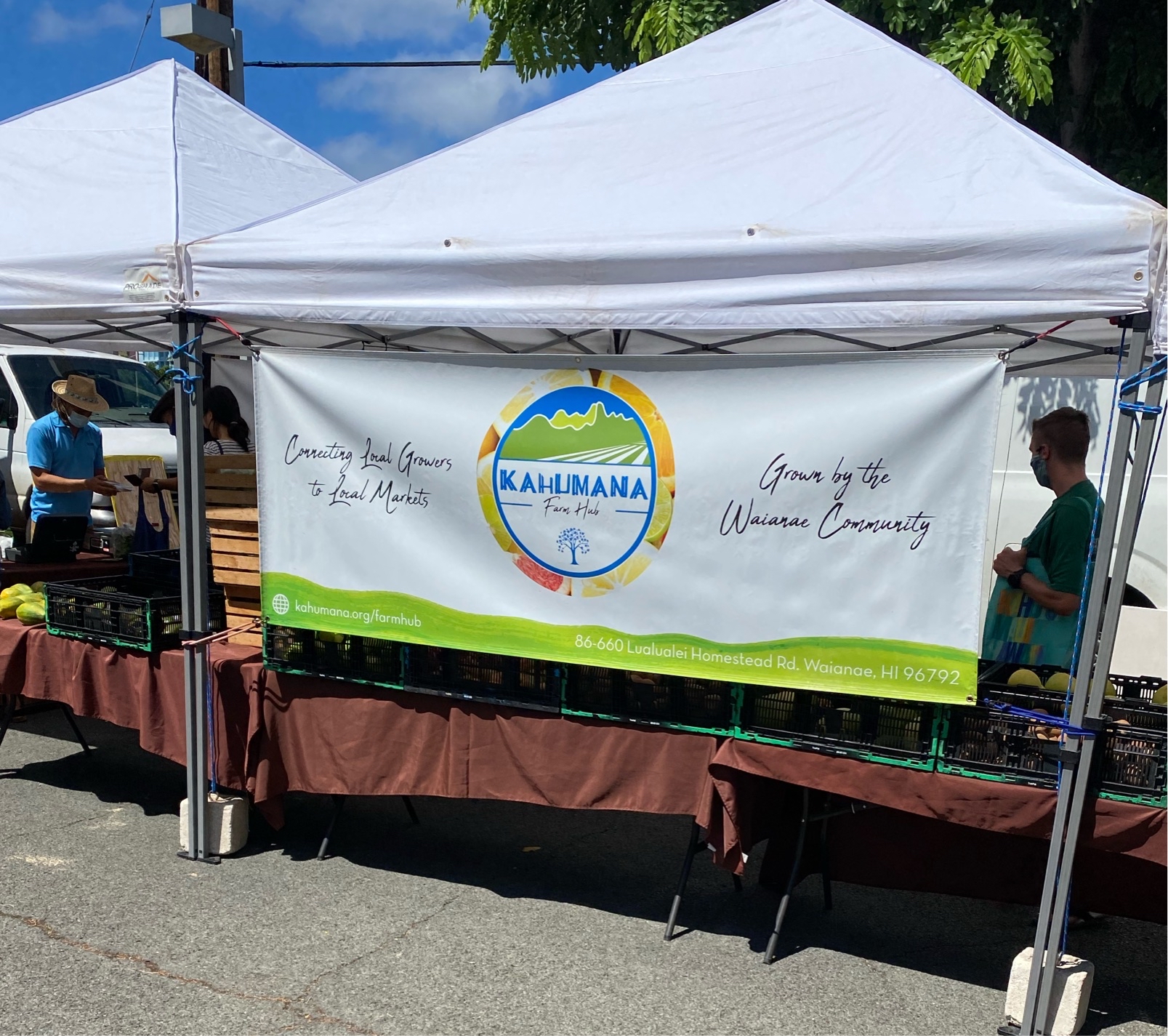
This was taken at the farmers market in Kakaako
|
Multilingual Hawaiʻi
|
|
 Lingscape