Lingscape
Lingscape Public Image Repository

About the project | Project list | Taxonomies | License

Filter data

ID Nickname Country / City Languages Taxonomies Comment Project / Group Map
Pin 138452 Deutschland Essen
Deutsch (German)
Du hast die Wahl
Pin 74452 Deutschland Würzburg
Español (Spanish)
artistic bottom-up linguistic color paint size sprayed graffiti writing fixed monolingual permanent A3 – 1m²
"Du fehlst mir" / "Ich vermisse dich" DaZ- Seminar 2022
Pin 75476 Deutschland Darmstadt
Deutsch (German) English (English)
Pin 11476 Deutschland Mainz
Deutsch (German) English (English)
#flyer @aktion im Restaurant UNI.MZ-1718 EnglischMZ
Pin 77780 Deutschland Bochum
Other language
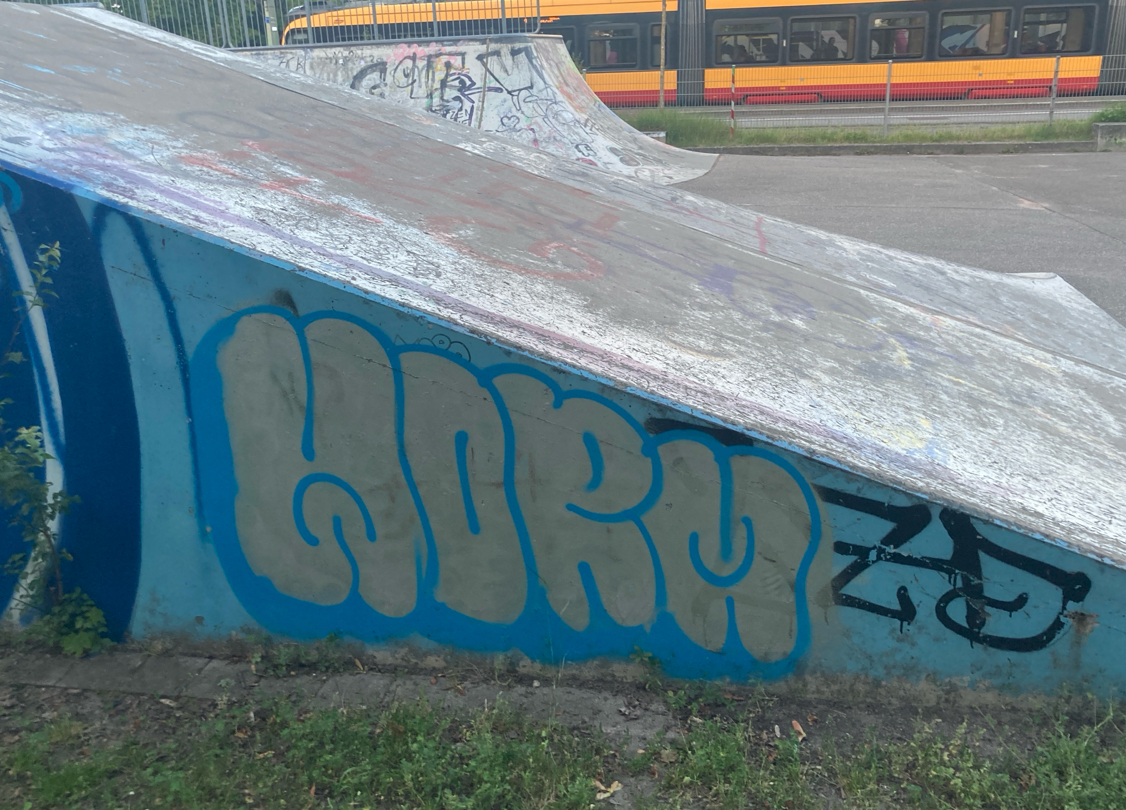
Pin 80596 Deutschland Karlsruhe
KAGraffiti
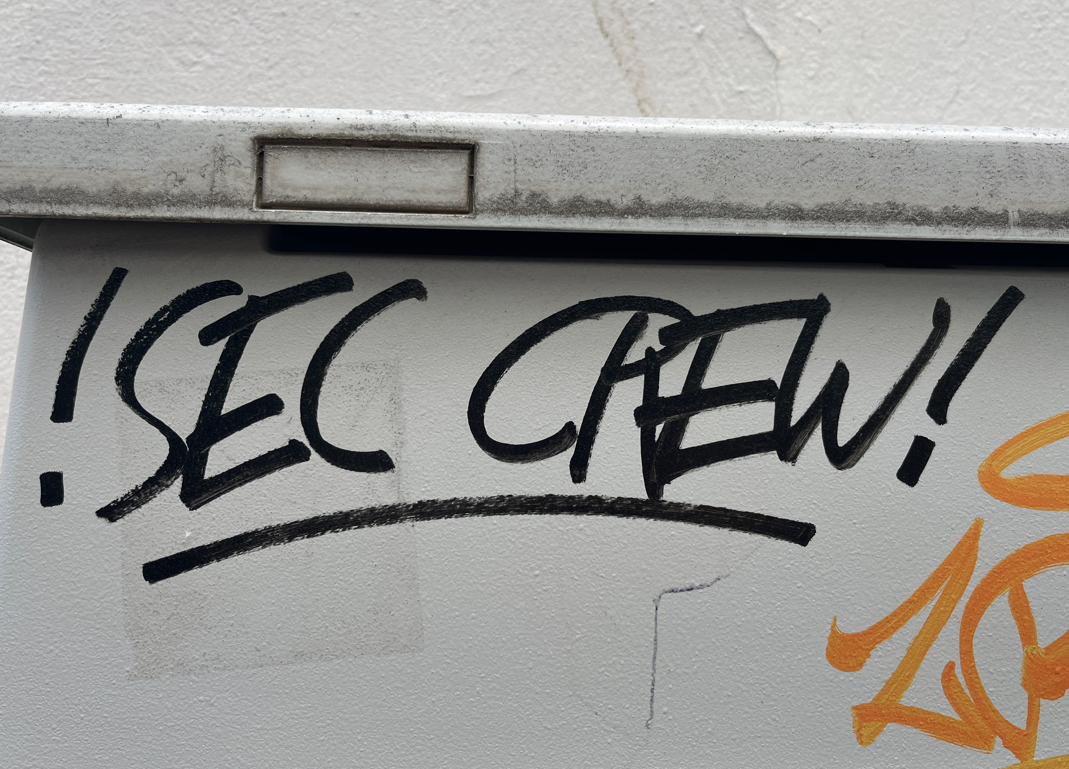
Pin 81108 Deutschland Karlsruhe
KAGraffiti
Pin 17364 Deutschland Dresden
العربية (Arabic) Deutsch (German)
Pin 150996 Deutschland Dortmund
Deutsch (German)
$SiR #kommerziell
Pin 85972 Deutschland Mannheim
Polski (Polish)
street sign standard
Sprach-Checker
Pin 152788 Deutschland Mannheim
bottom-up
Sprach-Checker
Pin 153300 Deutschland Dresden
Deutsch (German)
authorized commercial metal engraved monolingual 1m² – 4m² wall
DEXmasMarkets
Pin 24020 Deutschland Würzburg
Italiano (Italian)
Pin 156116 Deutschland München
Türkçe (Turkish)
regulatory top-down latin poster monolingual
Deutsch: • Das Zeichen richtet sich primär an türkischsprachige Besucher:innen einer religiösen Einrichtung und stellt eine Top-down-Initiative einer institutionellen, vermutlich moscheebezogenen Autorität dar. • Es bezeichnet eine regulative sowie zugleich moralisch-normative Funktion und kann dem Typ sicherheits- und verhaltensbezogene, institutionelle Beschilderung zugeordnet werden. • Verwendet wird ausschließlich Türkisch („Temizlik imandandır; cami önü de bunun aynasıdır.“; „Lütfen cami alanın içinde sigara içmeyin!“), wodurch eine klare sprachliche Ausrichtung auf eine türkischsprachige Gemeinschaft erkennbar ist. Inhaltlich verbindet der Text eine religiös fundierte Norm („Sauberkeit ist Teil des Glaubens“) mit einer konkreten Verhaltensanweisung (Rauchverbot), wodurch die Regel nicht nur funktional, sondern auch religiös legitimiert wird. • Visuell wird die sprachliche Botschaft durch ein standardisiertes Piktogramm eines durchgestrichenen Zigarettensymbols ergänzt, das das Rauchverbot eindeutig und sprachunabhängig kommuniziert. Die Gestaltung kombiniert funktionale Klarheit mit dekorativen Elementen (ornamentales Motiv am unteren Rand), was auf eine Verbindung von institutioneller Ordnung und kulturell-religiöser Ästhetik hinweist. Die Hervorhebung zentraler Textteile (z. B. „Sigara içmeyin!“) durch größere Schrift verstärkt die imperative Wirkung. Hinsichtlich der Materialität und des Modus handelt es sich um ein gedrucktes, fest angebrachtes Schild im Außenbereich einer religiösen Einrichtung. • Die verwendete Schrift ist lateinisch und orthographisch standardisiert, inklusive diakritischer Zeichen des Türkischen. English: • The sign is primarily directed at Turkish-speaking visitors of a religious institution and represents a top-down initiative by an institutional authority, most likely associated with a mosque. • It denotes a regulatory as well as moral-normative function and can be classified as safety- and behavior-related institutional signage. • The language used is exclusively Turkish (“Temizlik imandandır; cami önü de bunun aynasıdır.”; “Lütfen cami alanın içinde sigara içmeyin!”), indicating a clear orientation toward a Turkish-speaking community. Content-wise, the text combines a religiously grounded norm (“Cleanliness is part of faith”) with a concrete behavioral instruction (no smoking), thereby legitimizing the rule not only functionally but also religiously. • Visually, the linguistic message is reinforced by a standardized pictogram of a crossed-out cigarette, clearly communicating the smoking ban independently of language. The design combines functional clarity with decorative elements (ornamental motif at the bottom), suggesting a link between institutional order and cultural-religious aesthetics. The emphasis on key parts of the text (e.g., “Sigara içmeyin!”) through larger font size strengthens its imperative force. In terms of materiality and mode, it is a printed sign permanently installed in the outdoor area of a religious institution. • The script used is Latin and follows standard orthography, including Turkish diacritics. Visible Turkish
Pin 156372 Deutschland Gaggenau
Pin 34004 Deutschland Leipzig
Deutsch (German)
Pin 100052 NGU Deutschland Karlsruhe
KAGraffiti
Pin 100308 LMA Deutschland Karlsruhe
KAGraffiti
Pin 100564 LRA Deutschland Karlsruhe
KAGraffiti
Pin 101332 Deutschland Bielefeld
English (English)
$UniBiel