|
ID |
Nickname |
Country / City |
Languages |
Taxonomies |
Comment |
Project / Group |
Map |

|
108712
|
ryansunada
|
United States
Honolulu
|
|
|
—
|
Multilingual Hawaiʻi
|
|
|
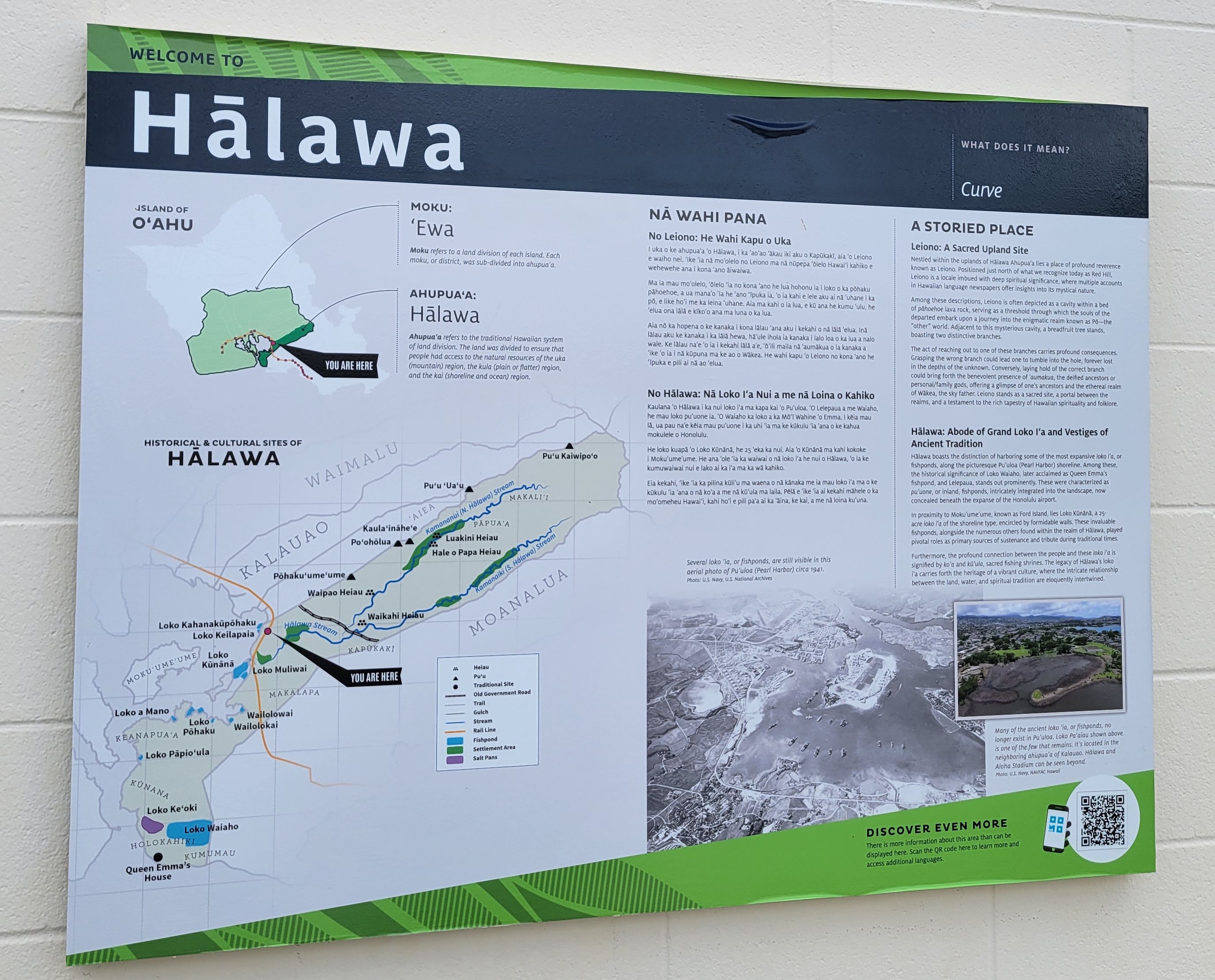
118144
|
kyp
|
United States
Halawa
|
|
|
—
|
Multilingual Hawaiʻi
|
|
|
118145
|
kyp
|
United States
Aiea
|
|
|
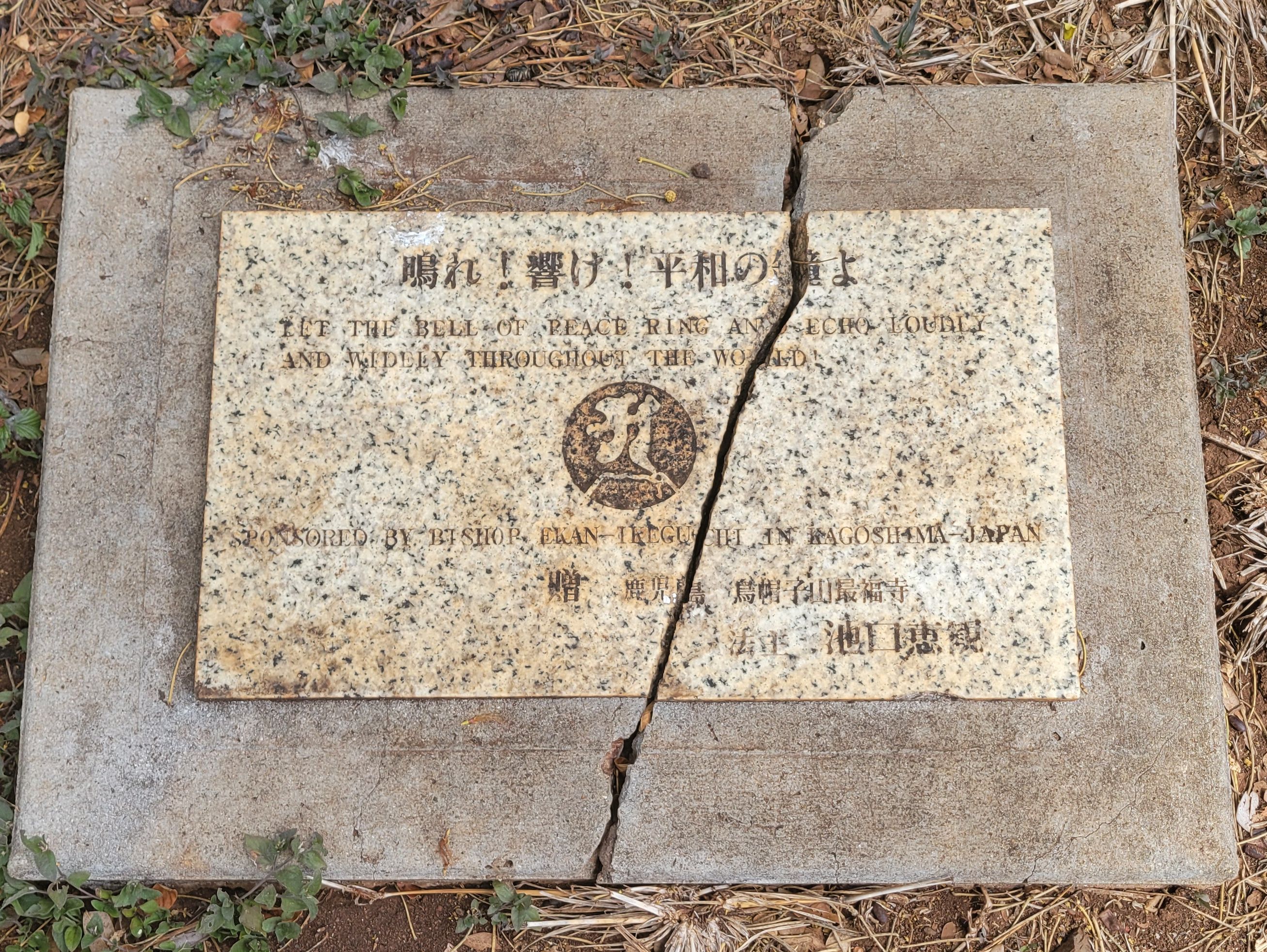
Japanese Peace Bell
Located on Neal S. Blaisdell Park
|
Multilingual Hawaiʻi
|
|
|
134147
|
Jeromyy
|
United States
Honolulu
|
|
|
—
|
Multilingual Hawaiʻi
|
|
|
134148
|
Jeromyy
|
United States
Honolulu
|
|
|
—
|
Multilingual Hawaiʻi
|
|
|
134149
|
Jeromyy
|
United States
Honolulu
|
|
|
—
|
Multilingual Hawaiʻi
|
|
|
134342
|
charrr
|
United States
Honolulu
|
|
|
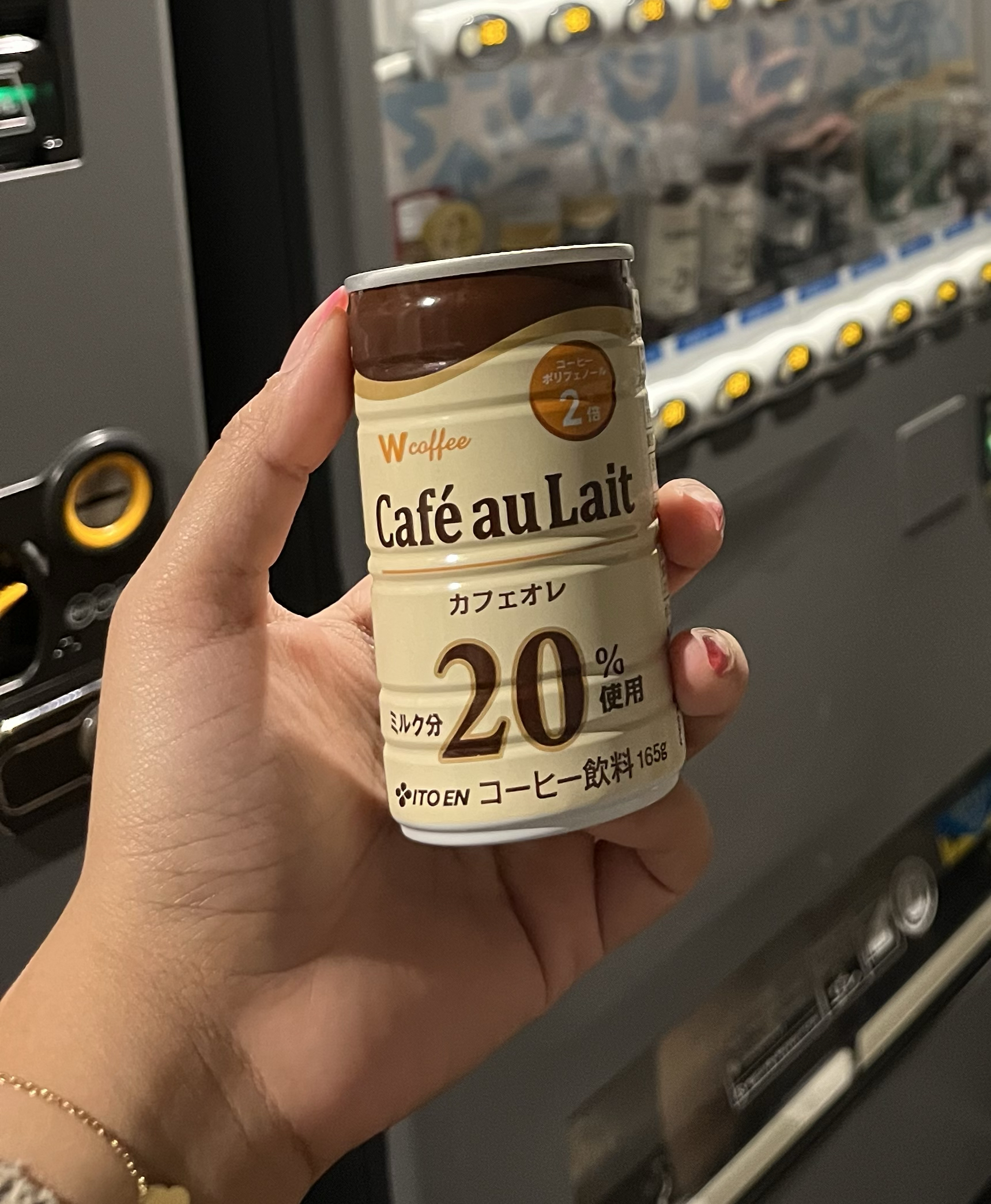
Encountering a Japanese vending machine, I noticed that it had both Japanese and English on it. Noticing that it had both scripts, it made me realize how ingrained multilingualism is to our state and island. Not only does this serve the local community, but for tourists who can enjoy a bit of their culture here. Seeing just how often and frequently it is to have both Japanese and English script, and basically how normalized it is to have multiple languages in this state, made me aware of how this our public language and how valuable it is to create an inclusive, multilingual environment for everyone.
|
Multilingual Hawaiʻi
|
|
|
134343
|
charrr
|
United States
Waipahu
|
|
|
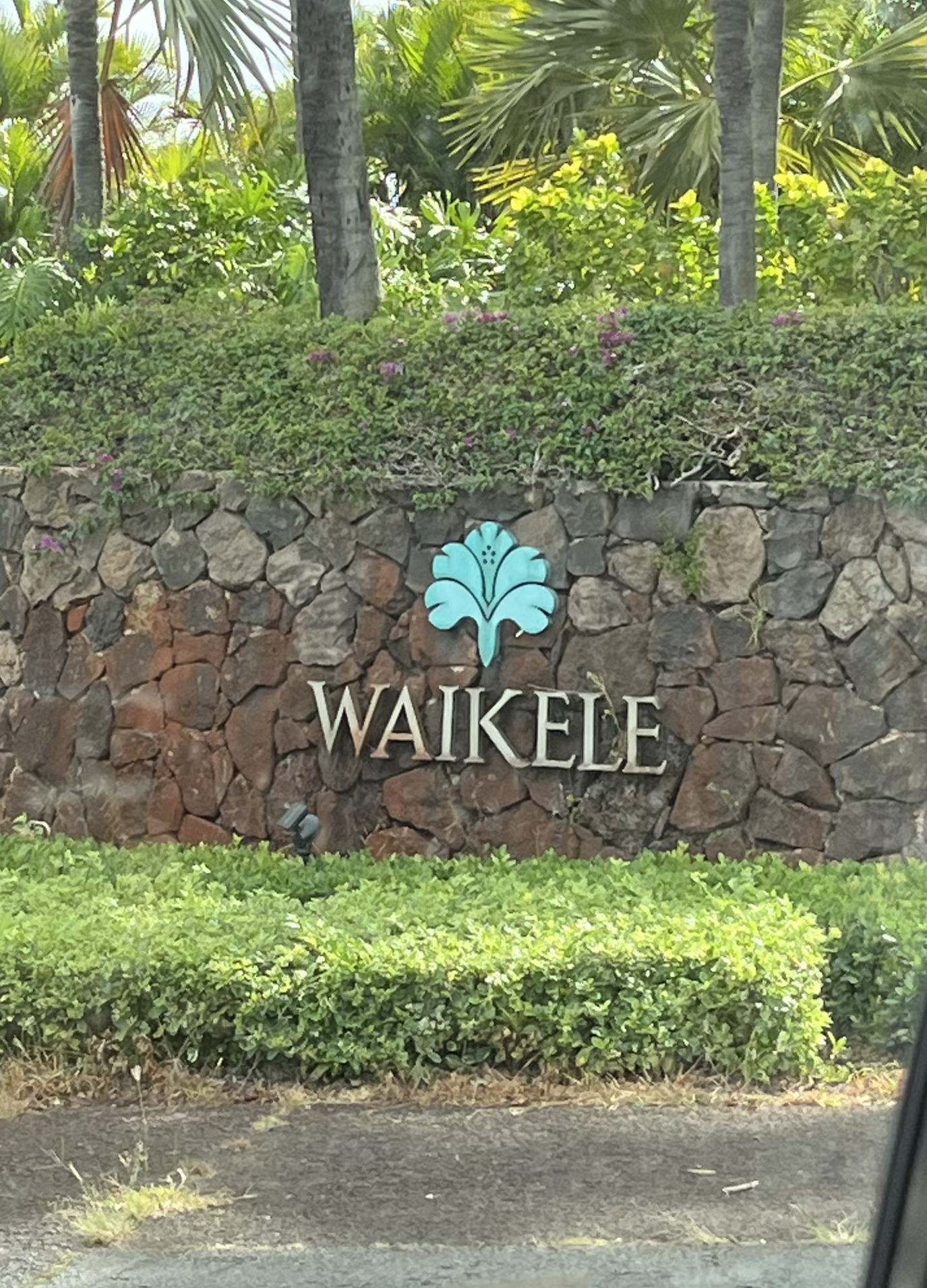
Seeing place names like Waikele, really emphasizes how important the Hawaiian language is to our culture. As you grow up, the norm becomes something that can be hidden in plain sight, or something that most people overlook, despite it being in our everyday language. However, as we think about multilingualism and think about the connection of the Hawaiian language and how it can shift our culture and communication, we can then use our town names as markers for history, culture, and diversity. We can view this public language as a way to honor the past and encourage language revitalization everyday.
|
Multilingual Hawaiʻi
|
|
|
134344
|
charrr
|
United States
Aiea
|
|
|
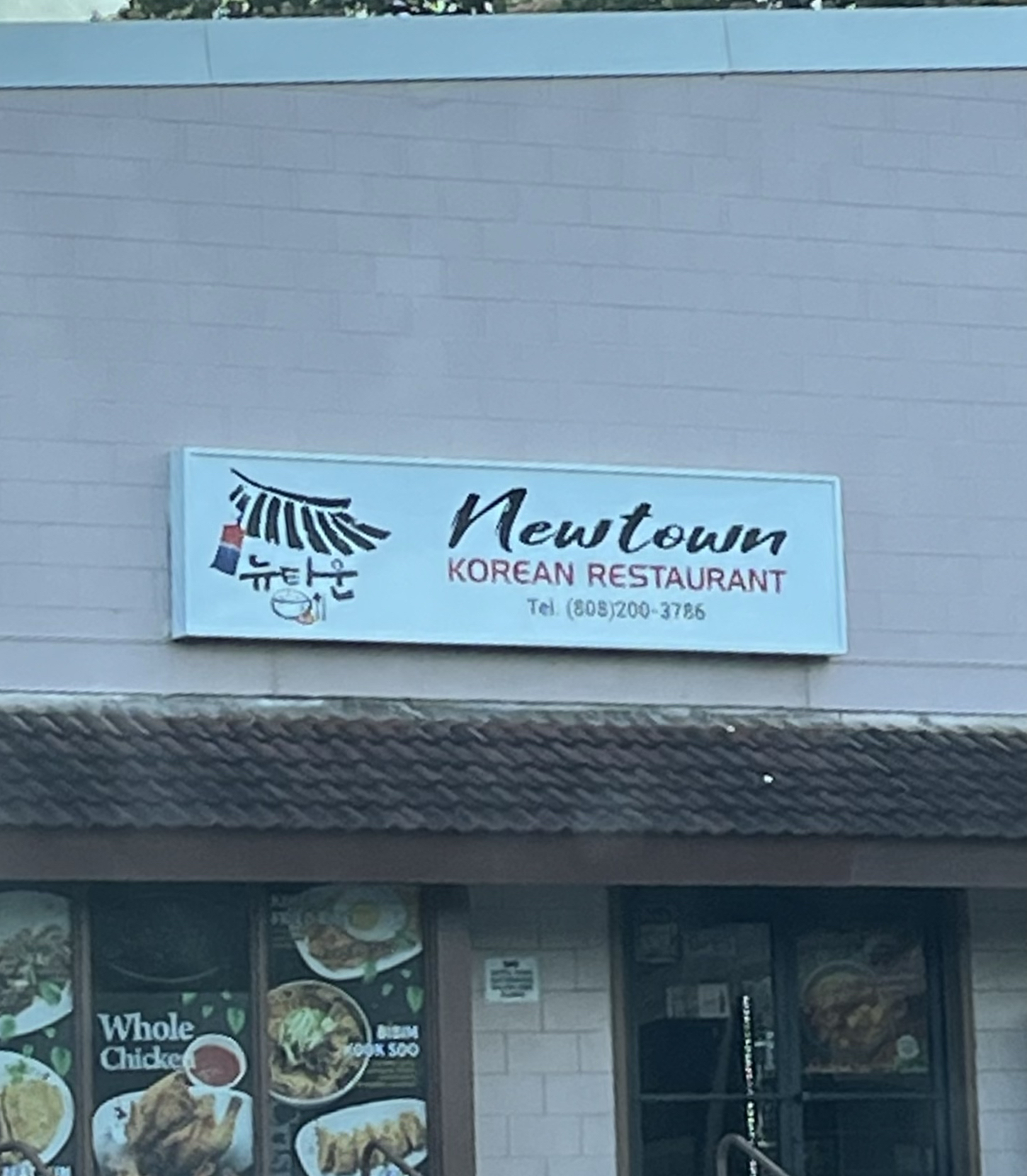
Walking past this town that had a sign in both Korean and English, made me aware of how multilingualism is a daily part of life when living in Hawai’i. As I continue to reflect about the different languages in Hawai’i, it made me realize how much of a melting pot our community is. It had the Korean language big and broad, showing that even in such an environment, these languages are the norm and are here to stay. Recognizing multilingualism in public spaces like this, is another way that language can connect others in a meaningful way, and expand across cultures.
|
Multilingual Hawaiʻi
|
|
|
135663
|
Solo
|
United States
Honolulu
|
|
|
—
|
Multilingual Hawaiʻi
|
|
|
135664
|
Solo
|
United States
Honolulu
|
|
|
—
|
Multilingual Hawaiʻi
|
|
|
135665
|
Solo
|
United States
Honolulu
|
|
|
—
|
Multilingual Hawaiʻi
|
|
|
147910
|
remy
|
United States
Honolulu
|
|
|
‘Ōlelo Hawai’i
|
Multilingual Hawaiʻi
|
|
|
147939
|
catherine
|
United States
Honolulu
|
|
|
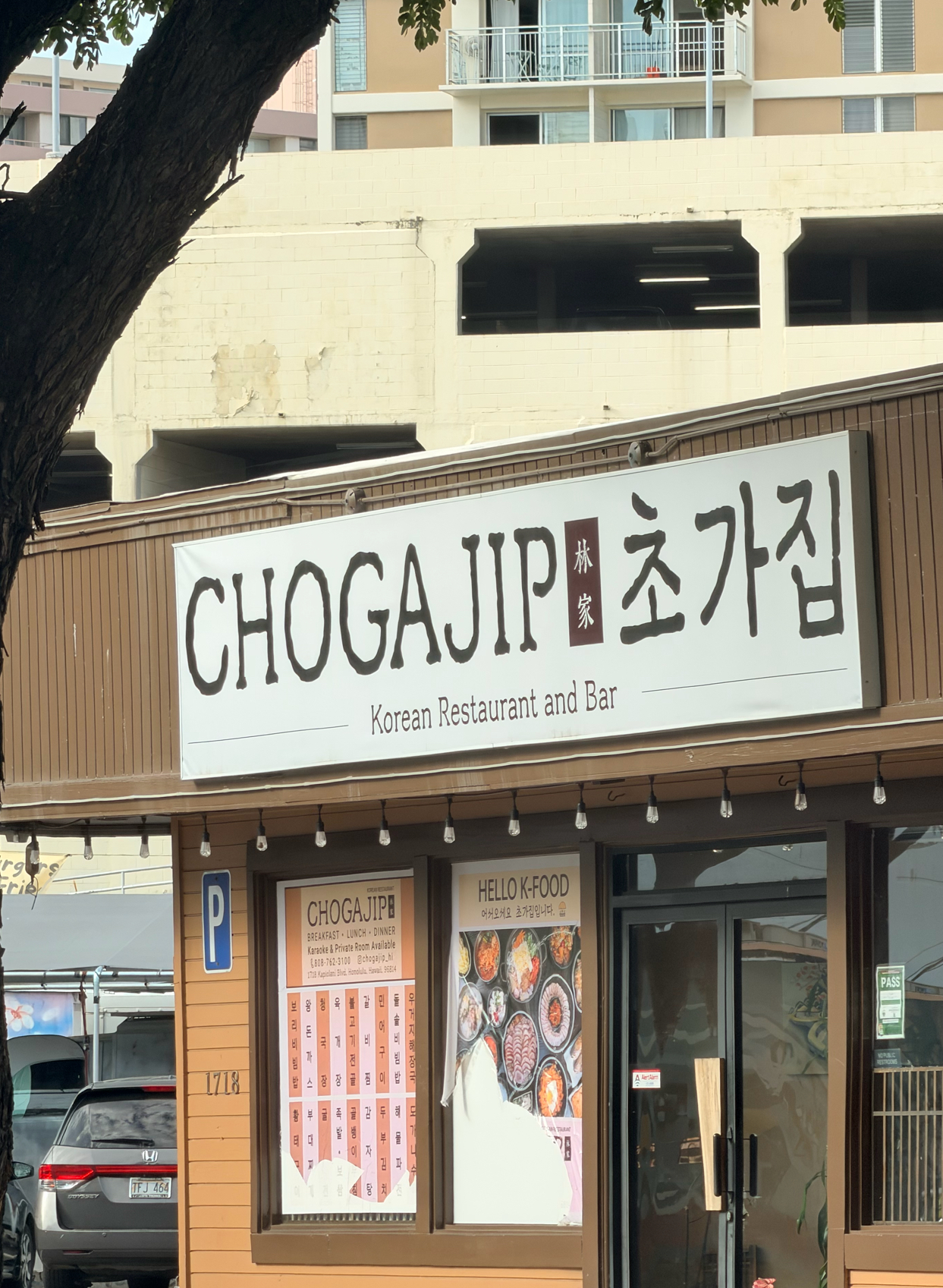
While I was driving on Kapiolani Blvd, getting ready to turn onto Atkinson, I noticed this Korean restaurant, Chogajip, with its name written in English and “초가집” written next to it. After searching up what this means, I found that it says “thatched house,” which refers to a traditional Korean home. I found this interesting because it’s not only multicultural, but it’s also something only someone proficient in Korean would understand. The only English on the sign is “Korean Restaurant and Bar,” while the Korean wording conveys a homelike taste and environment. Seeing this bilingual signage sending different messages to different audiences shows how openly multicultural Hawaiʻi is.
|
Multilingual Hawaiʻi
|
|
|
147940
|
catherine
|
United States
Honolulu
|
|
|
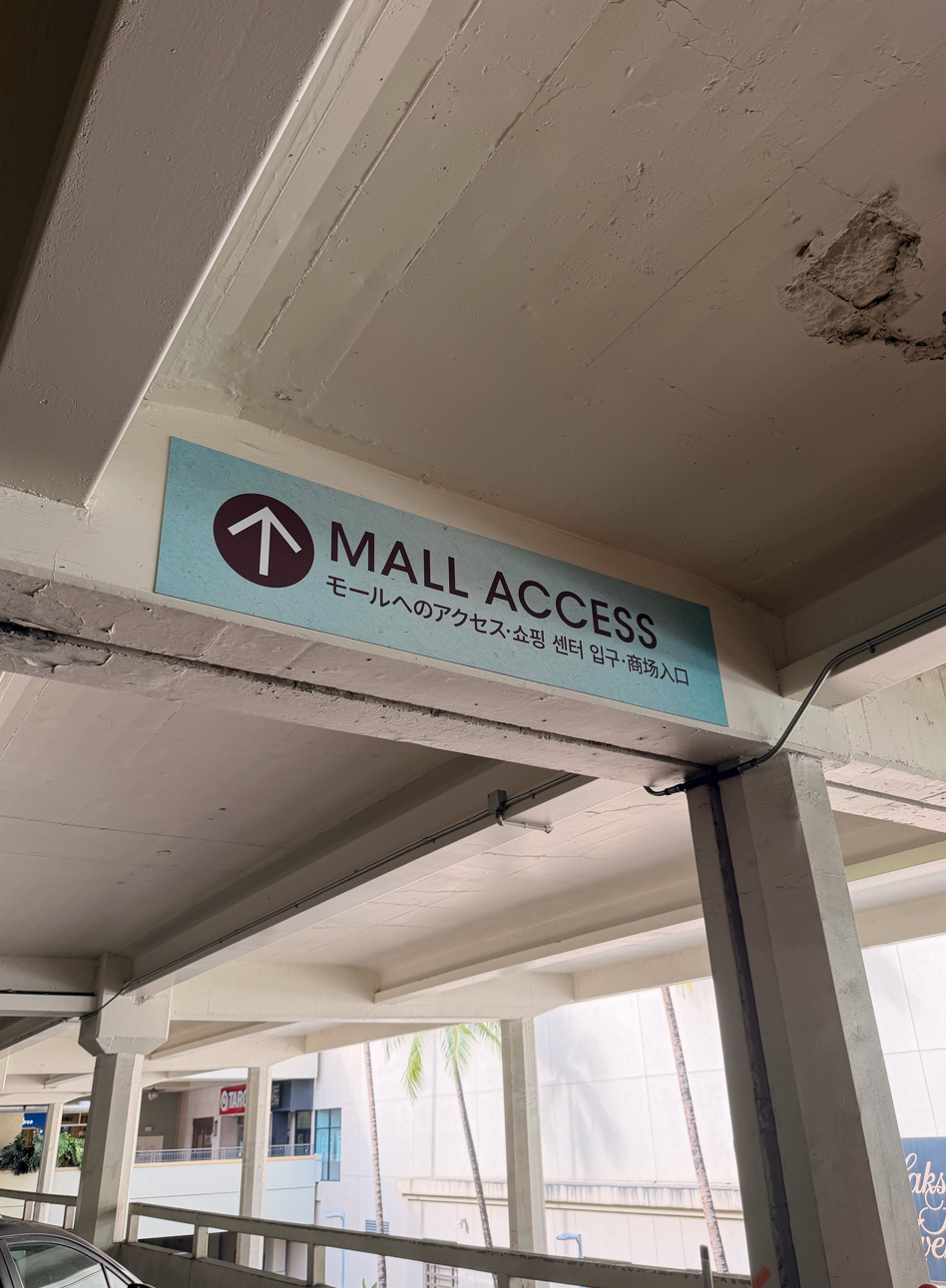
While I was driving through the Ala Moana parking lot on the main level next to Target, it was the first time I noticed this “Mall Access” sign, even though I’ve driven past it many times. It caught my attention because the sign is in English, Japanese, Korean, and Chinese. Since this sign is in an older wing of the mall, it’s probably been here for many years without me noticing, which shows how long Hawai‘i has been a multicultural environment. Although Ala Moana is a touristy place, it was still interesting to see such a general sign in four languages. The Japanese, Korean, and Chinese all translate to “Mall Access.” Seeing multiple languages layered into a simple directional sign made me realize how deeply multilingualism is built into Hawai‘i’s public spaces, even in areas we overlook.
|
Multilingual Hawaiʻi
|
|
|
147941
|
catherine
|
United States
Honolulu
|
|
|
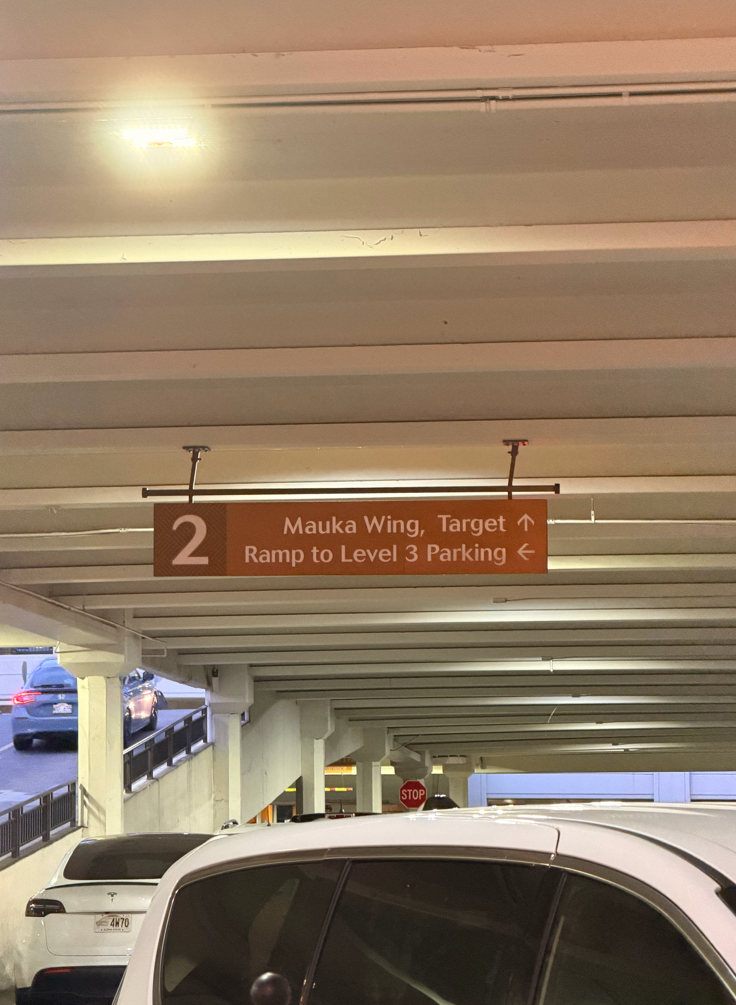
I took this photo on the main level of Ala Moana, right across from the Lanaʻi Food Court. The sign says “Mauka Wing,” which means “toward the mountains” in Hawaiian. I found it interesting how the mall uses Hawaiian words very frequently in its directional signs. Even the food court itself is named “Lānaʻi,” which is another island here. Seeing Hawaiian used in everyday signage and throughout such a large institution shows an effort to incorporate the language, even if it can sometimes feel a bit inauthentic. Still, noticing Hawaiian in these directional signs made me realize again how multicultural and multilingual Hawaiʻi is.
|
Multilingual Hawaiʻi
|
|
|
148858
|
ronaleid
|
United States
Waimalu
|
|
|
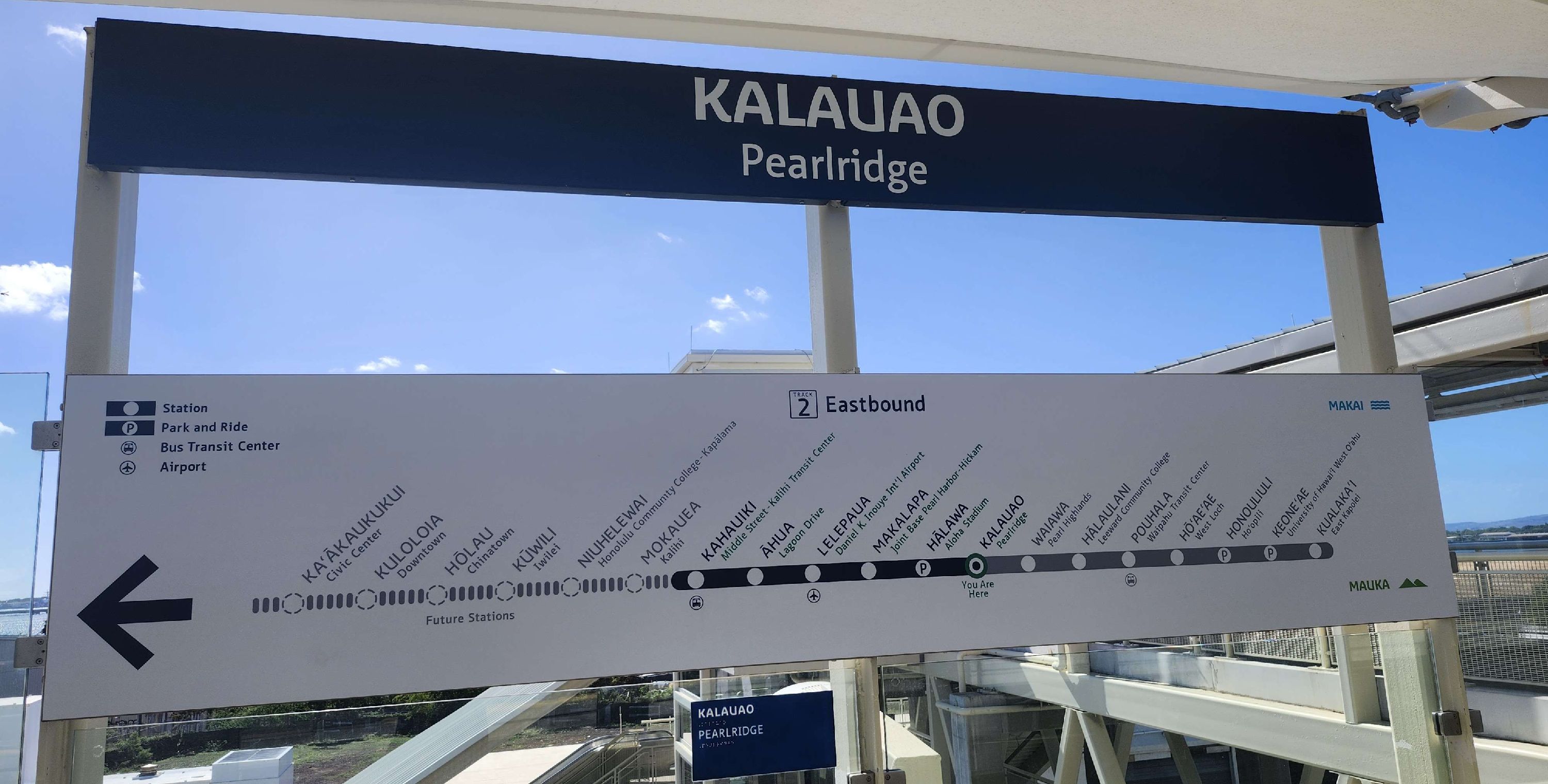
The newly opened Kalauao, Pearlridge rail station represents how multilingualism is woven into everyday life in Hawai’i. Seeing Hawaiian place names displayed prominently alongside English reminds me that movement through the islands is also movement through layered histories and languages. As I commute from Kalauao to Lagoon Drive (Āhua) and transfer to the bus to reach school, I am constantly navigating these linguistic landscapes and becoming more conscious of the stories they carry. This daily journey makes me more aware of how public infrastructure can honor Indigenous language, promote accessibility, and reinforce the cultural identity of Hawai’i’s communities in meaningful, visible ways.
|
Multilingual Hawaiʻi
|
|
|
148859
|
ronaleid
|
United States
Honolulu
|
|
|
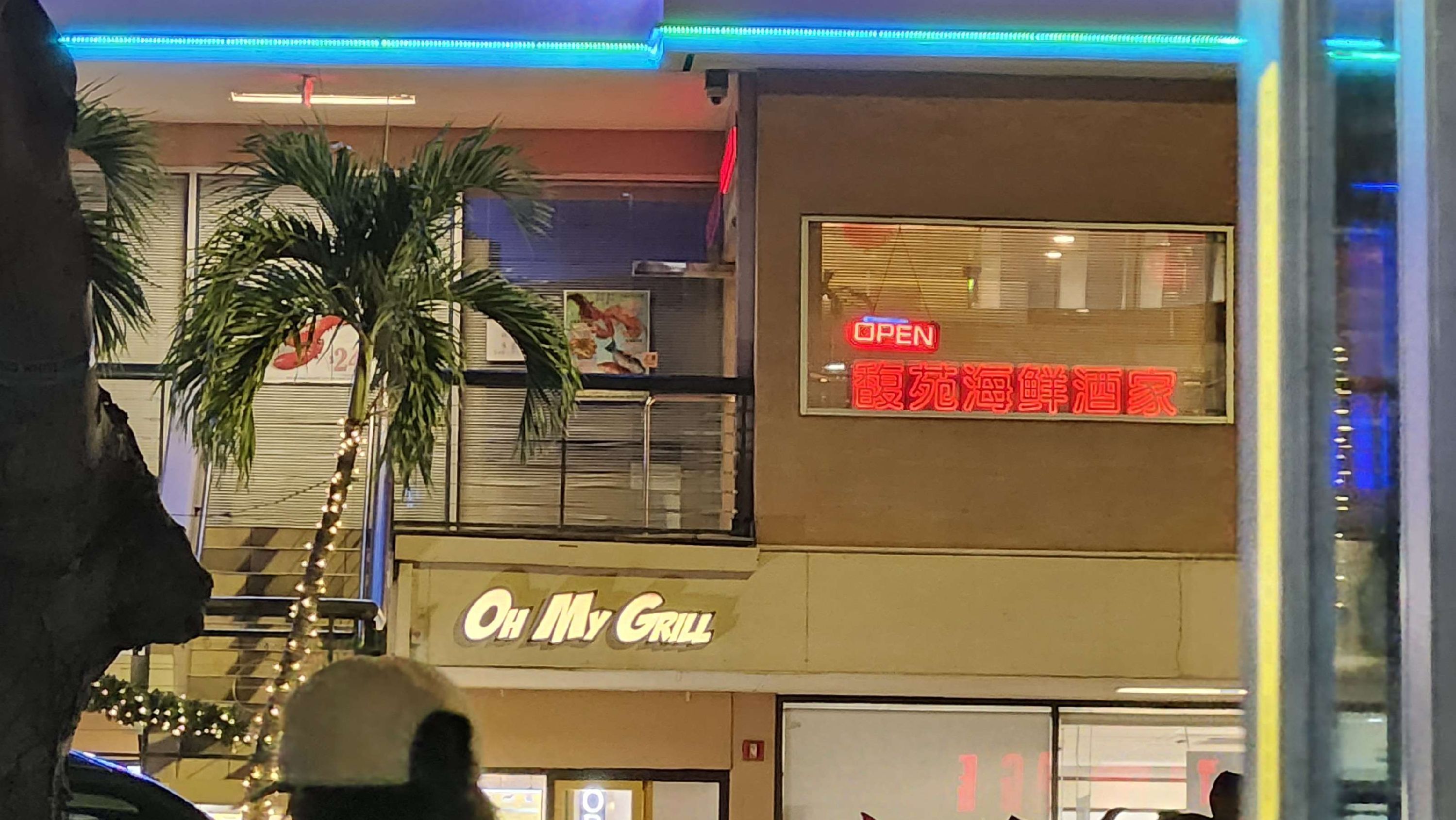
This photo of the Chinese signage at Fook Yuen Seafood Restaurant, one of my favorite places to eat, reminds me of how multilingualism shapes everyday life in Hawai’i. The bright Chinese characters feel familiar and comforting, signaling a cultural presence that has long been part of our islands. Seeing this signage alongside English storefronts reflects the coexistence of immigrant histories and local identity in shared public spaces. For me, dining here is more than enjoying good food, it’s a reminder of how language preserves heritage, builds community, and keeps cultural traditions visible. It shows how multilingual spaces quietly enrich Hawai’i’s urban landscape.
|
Multilingual Hawaiʻi
|
|
|
148860
|
ronaleid
|
United States
Honolulu
|
|
|
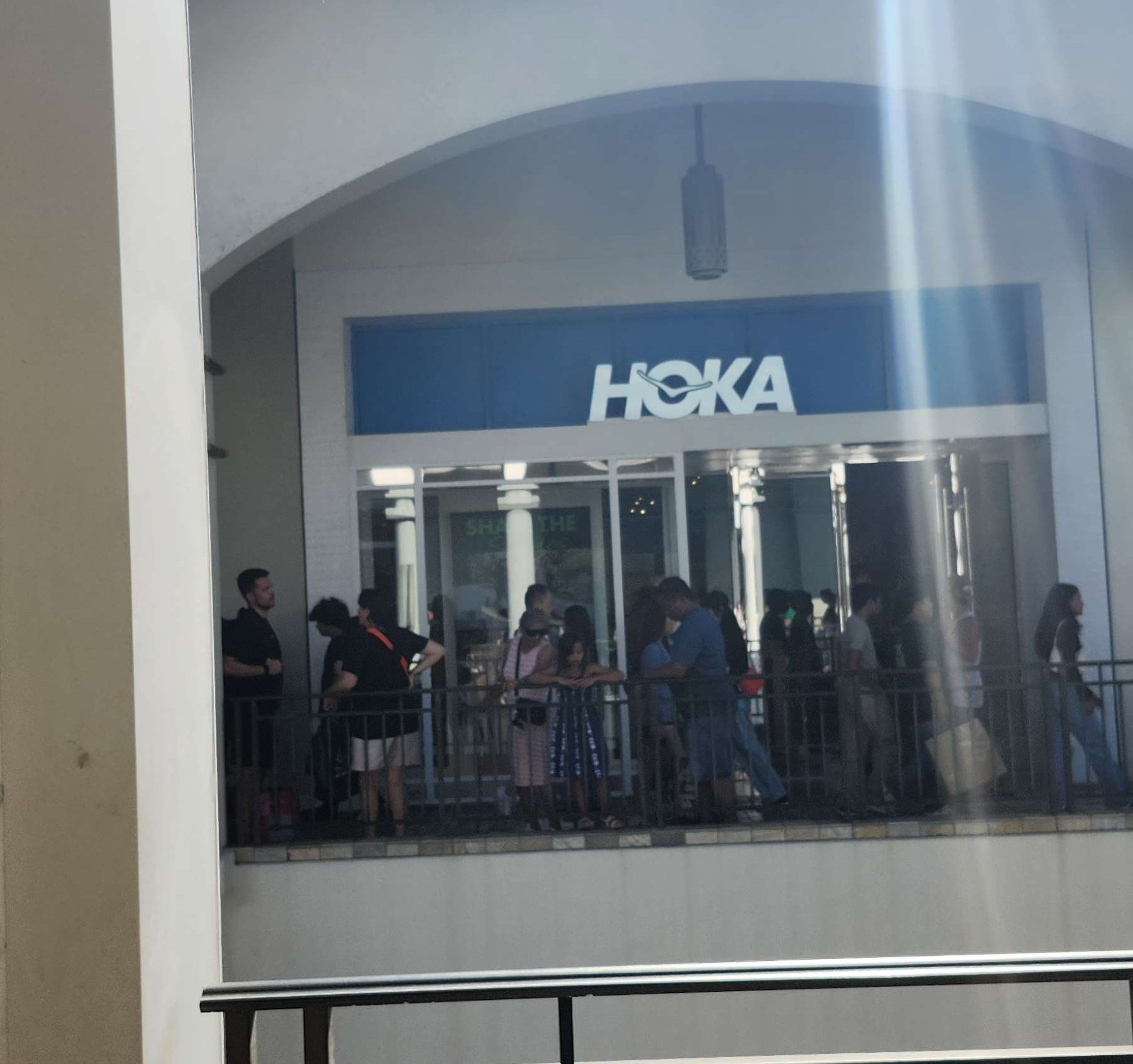
Seeing the HOKA store signage at Ala Moana reminded me of how global languages and cultural meaning flows through everyday spaces in Hawai’i. Hoka means “to fly” in Māori, and the bird embedded in the “O” symbolizes movement, freedom, and uplift, ideas that resonate strongly in an island context. Even in a commercial setting, this small linguistic detail carries cultural significance and reflects how Indigenous languages from across the Pacific appear in our public landscape. Standing in line outside the store, I became more aware of how multilingual branding connects communities, introduces shared symbolism, and adds depth to our shopping environment.
|
Multilingual Hawaiʻi
|
|
|
148940
|
Nicole P
|
United States
Honolulu
|
|
|
—
|
Multilingual Hawaiʻi
|
|
 Lingscape