Lingscape
Lingscape Public Image Repository

About the project | Project list | Taxonomies | License

Filter data

ID Nickname Country / City Languages Taxonomies Comment Project / Group Map
Pin 156027 Deutschland Leipzig
Deutsch (German)
Pin 156028 Deutschland Leipzig
Deutsch (German)
Pin 156029 Norway Bergen
Deutsch (German) English (English)
in a womes restroon on top of Fløyen, Bergen
Pin 156030 Questoph Luxemburg Luxembourg
Deutsch (German) English (English) فارسی (Farsi) Français (French) Italiano (Italian) Lëtzebuergesch (Luxembourgish) Português (Portuguese) Español (Spanish)
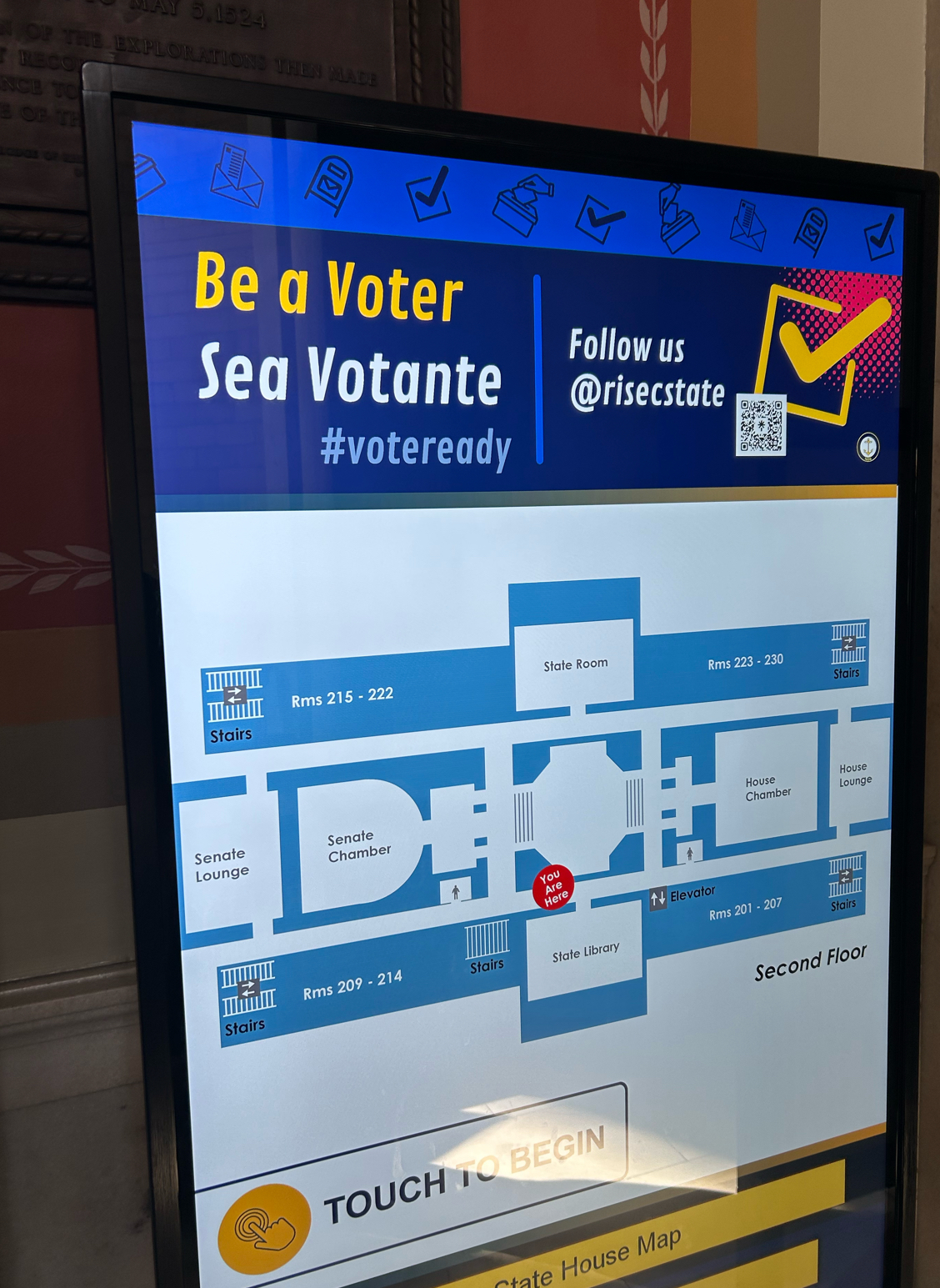
Pin 156031 United States East Providence
RILL
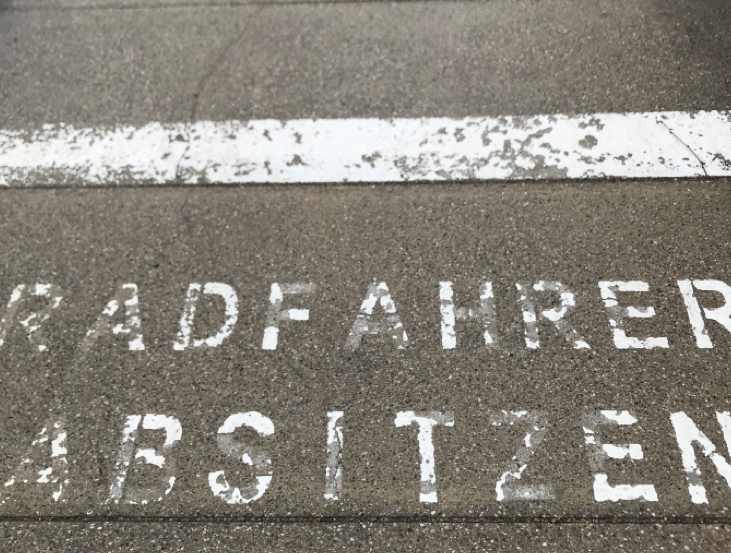
Pin 156032 Schmoeckie Deutschland Duisburg
Deutsch (German)
Pin 156033 Francesco Magnelli Italy Aprica
Italiano (Italian) Lombard (Lombard)
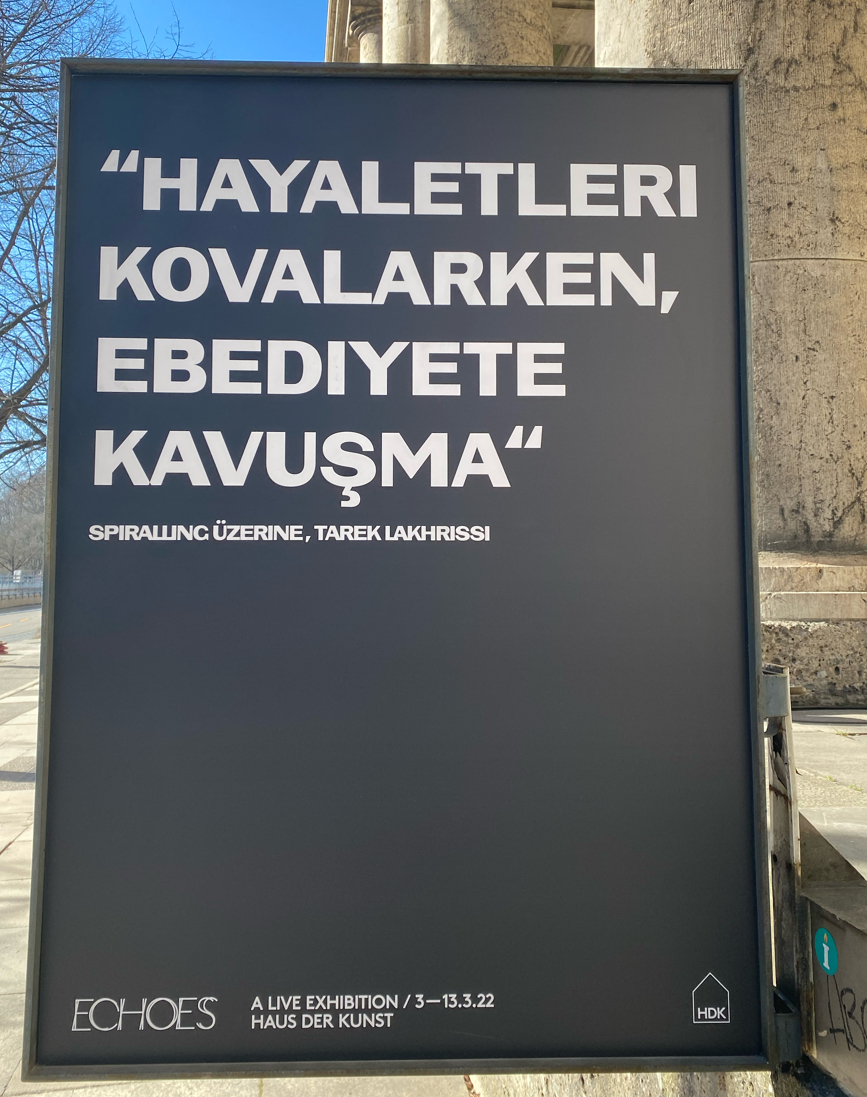
Pin 156034 Deutschland München
Deutsch (German) Türkçe (Turkish)
commercial informatory top-down subcultural display panel latin bilingual
Das Zeichen richtet sich an ein lokales sowie potenziell migrantisch geprägtes Publikum und stellt eine Bottom-up-Initiative eines privaten Unternehmens dar. Es bezeichnet eine kommerzielle Funktion und kann dem Typ Werbe- bzw. Geschäftsbeschilderung zugeordnet werden. Verwendet werden Türkisch („Sigorta Cakmakci“) und Deutsch („Versicherungen | Finanzen | Immobilien“), wobei Deutsch die angebotenen Dienstleistungen explizit beschreibt, während der türkische Bestandteil als Personen- bzw. Firmenname fungiert. Hinsichtlich der Materialität und des Modus handelt es sich um ein fest installiertes Geschäftsschild. Die verwendete Schrift ist lateinisch; auffällig ist dabei eine orthographische Anpassung im türkischen Namen, da diakritische Zeichen fehlen („Cakmakci“ statt „Çakmakçı“), was als Anpassung an dominante deutsche Schreib- und Typographiekonventionen interpretiert werden kann. English: The sign is directed at a local as well as potentially migrant audience and represents a bottom-up initiative by a private business. It denotes a commercial function and can be classified as commercial or business signage. The languages used are Turkish (“Sigorta Cakmakci”) and German (“Versicherungen | Finanzen | Immobilien”), with German explicitly describing the services offered, while the Turkish element functions as a personal or company name. In terms of materiality and mode, it consists of a fixed shop sign. The script used is Latin; notably, an orthographic adaptation is visible in the Turkish name, as diacritics are omitted (“Cakmakci” instead of “Çakmakçı”), which can be interpreted as an adjustment to dominant German writing and typographic conventions. Visible Turkish
Pin 156035 Deutschland München
Türkçe (Turkish)
educational informatory infrastructural top-down subcultural information sign latin bilingual
Das Zeichen richtet sich primär an türkischsprachige Gemeindemitglieder und stellt eine Top-down-Initiative innerhalb eines religiös-institutionellen Kontexts dar. Es bezeichnet eine regulatorische sowie zugleich expressive Funktion und kann dem Typ institutionelle Verhaltens- bzw. Verbotsbeschilderung zugeordnet werden. Verwendet wird Türkisch („Değerli cemaatimiz… rica olunur“), wodurch eine spezifische sprachliche Gemeinschaft direkt adressiert wird. Auffällig ist die Kombination eines regulativen Inhalts (Rauchverbot und Entsorgungsregeln) mit einer höflichen, gemeinschaftsorientierten Ansprache („Değerli cemaatimiz“), die über eine rein normative Instruktion hinausgeht und Zugehörigkeit sowie soziale Nähe signalisiert. Hinsichtlich der Materialität und des Modus handelt es sich um ein einfaches, gedrucktes und im Innen- oder halböffentlichen Raum angebrachtes Schild, ergänzt durch ein universelles Piktogramm (Rauchverbot). Die verwendete Schrift ist lateinisch; orthographisch fällt eine partielle Abweichung auf, da diakritische Zeichen teilweise fehlen („DEĞERLİ“ korrekt, jedoch „İZMARİT“ bzw. andere Formen variierend), was auf inkonsistente Umsetzung türkischer Orthographie hinweist. English The sign is primarily directed at Turkish-speaking community members and represents a top-down initiative within a religious-institutional context. It denotes a regulatory as well as expressive function and can be classified as institutional behavioral or prohibition signage. The language used is Turkish (“Değerli cemaatimiz… rica olunur”), directly addressing a specific linguistic community. Notably, the sign combines a regulatory message (no smoking and no littering of cigarette butts) with a polite and community-oriented form of address (“Değerli cemaatimiz”), which goes beyond purely normative instruction and signals belonging and social closeness. In terms of materiality and mode, it consists of a simple printed sign placed in an interior or semi-public space, complemented by a universal no-smoking pictogram. The script used is Latin; orthographically, a partial inconsistency is observable, as some Turkish diacritics are present while others appear inconsistently rendered, indicating uneven implementation of Turkish orthographic conventions. Visible Turkish
Pin 156036 Deutschland München
العربية (Arabic) Deutsch (German) English (English) Türkçe (Turkish)
commercial expressive folklore top-down religious subcultural arabic display panel latin street sign multilingual
Deutsch Das Zeichen richtet sich an ein breites, urbanes Publikum, insbesondere jedoch auch an muslimische Konsument:innen, und stellt eine Bottom-up-Initiative eines privaten Unternehmens dar. Es bezeichnet eine kommerzielle sowie zugleich symbolisch-religiöse Funktion und kann dem Typ Werbe- bzw. Geschäftsbeschilderung zugeordnet werden. Verwendet werden Türkisch („Tuna Kasap“), Deutsch („Metzgerei“, „München“) sowie Englisch („Best of the Best“) und Arabisch („Halal“), wodurch eine mehrschichtige Ansprache entsteht: Deutsch dient der lokalen Verortung und Verständlichkeit, Türkisch fungiert als identitätsstiftendes Element, Englisch als werbesprachliche Verstärkung, während Arabisch primär eine religiöse Zertifizierung signalisiert. Hinsichtlich der Materialität und des Modus handelt es sich um ein großformatiges, visuell stark gestaltetes Geschäftsschild. Die verwendeten Schriften variieren (lateinisch und arabisch) und sind grafisch stilisiert. Die visuelle Gestaltung, insbesondere die Halal-Symbole und Metzgerwerkzeuge, verstärkt die symbolische Kommunikation und verbindet kommerzielle mit religiösen Bedeutungsdimensionen. English: The sign is directed at a broad urban audience, but more specifically at Muslim consumers, and represents a bottom-up initiative by a private business. It denotes a commercial as well as a symbolic-religious function and can be classified as commercial or business signage. The languages used include Turkish (“Tuna Kasap”), German (“Metzgerei”, “München”), English (“Best of the Best”), and Arabic (“Halal”), creating a layered communicative strategy: German ensures local accessibility and positioning, Turkish functions as an identity marker, English serves as promotional emphasis, while Arabic primarily signals religious certification. In terms of materiality and mode, it consists of a large, visually designed shop sign. The scripts vary (Latin and Arabic) and are graphically stylized. The visual elements, particularly the halal symbols and butcher tools, reinforce the symbolic communication and connect commercial with religious meanings. Visible Turkish
Pin 156037 Deutschland München
English (English) Türkçe (Turkish)
commercial top-down subcultural information sign latin bilingual
Deutsch Das Zeichen richtet sich primär an ein türkischsprachiges Publikum, insbesondere an sportinteressierte Mitglieder migrantischer Communities, und stellt eine Top-down-Initiative eines kommerziellen Medienunternehmens dar. Es bezeichnet eine kommerzielle sowie werbliche Funktion und kann dem Typ temporäre Werbe- bzw. Promotionsbeschilderung zugeordnet werden. Verwendet werden Türkisch („BURADA!“) sowie markenbezogene, internationalisierte Bezeichnungen („beIN SPORTS“, „Digiturk“), wodurch eine gezielte Ansprache entsteht: Türkisch fungiert als direktes Aktivierungselement („hier verfügbar“), während die englisch geprägten Markennamen globale Medienpräsenz und Markenidentität transportieren. Auffällig ist die Abwesenheit des Deutschen im deutschsprachigen Kontext, was auf eine klare Ausrichtung an eine spezifische Zielgruppe im Sinne eines targeted multilingualism hinweist. Hinsichtlich der Materialität und des Modus handelt es sich um ein gedrucktes Werbeplakat im halböffentlichen Raum. Die verwendete Schrift ist lateinisch; orthographische Besonderheiten sind nicht auffällig, jedoch zeigt die Sprachwahl eine funktionale Differenzierung zwischen direkter Ansprache und Markenkommunikation. English: The sign is primarily directed at a Turkish-speaking audience, particularly sports-oriented members of migrant communities, and represents a top-down initiative by a commercial media company. It denotes a commercial and promotional function and can be classified as temporary advertising or promotional signage. The languages used include Turkish (“BURADA!”) as well as brand-related, internationalized labels (“beIN SPORTS”, “Digiturk”), creating a targeted communicative strategy: Turkish functions as a direct activation element (“available here”), while the English-based brand names convey global media presence and brand identity. Notably, German is absent despite the German-speaking context, indicating a clear orientation toward a specific audience in terms of targeted multilingualism. In terms of materiality and mode, it consists of a printed promotional poster in a semi-public space. The script used is Latin; no major orthographic deviations are visible, but the language choice reflects a functional differentiation between direct address and brand communication. Visible Turkish
Pin 156038 Deutschland München
Deutsch (German) Türkçe (Turkish)
commercial top-down subcultural information sign latin bilingual
Deutsch Das Zeichen richtet sich an ein breites, urbanes Publikum, insbesondere jedoch an mehrsprachige Kund:innen mit türkischem Hintergrund, und stellt eine Bottom-up-Initiative eines kommerziellen Einzelhandels dar. Es bezeichnet eine kommerzielle sowie informative Funktion und kann dem Typ Preis- und Produktbeschilderung im Einzelhandel zugeordnet werden. Verwendet werden Deutsch („Mix Paprika“, „Herkunft“), Türkisch („Biber Cesit“) sowie markenbezogene Bezeichnungen („Burak Supermarket“), wodurch eine hybride und funktional differenzierte Mehrsprachigkeit entsteht. Deutsch fungiert dabei als dominante Sprache der Produktkategorisierung und Marktkommunikation, während Türkisch ergänzend als identitätsbezogene und adressatenorientierte Ressource eingesetzt wird. Auffällig ist eine orthographische Abweichung im Türkischen („Cesit“ statt „Çeşit“), was auf eine Reduktion diakritischer Zeichen und eine Anpassung an dominante Schreibkonventionen hinweist. Hinsichtlich der Materialität und des Modus handelt es sich um ein gedrucktes, teilweise überklebtes Preisschild im Verkaufsraum. Die verwendete Schrift ist lateinisch. English: The sign is directed at a broad urban audience, but particularly at multilingual customers with a Turkish background, and represents a bottom-up initiative by a commercial retail business. It denotes a commercial and informational function and can be classified as retail price and product signage. The languages used include German (“Mix Paprika”, “Herkunft”), Turkish (“Biber Cesit”), and brand-related labeling (“Burak Supermarket”), resulting in a hybrid and functionally differentiated form of multilingualism. German functions as the dominant language of product categorization and market communication, while Turkish is used as a supplementary, identity-oriented resource. Notably, an orthographic deviation appears in the Turkish text (“Cesit” instead of “Çeşit”), indicating a reduction of diacritics and adaptation to dominant writing conventions. In terms of materiality and mode, it consists of a printed and partially overlaid price label in a retail environment. The script used is Latin. Visible Turkish
Pin 156039 Deutschland München
English (English) Türkçe (Turkish)
commercial informatory top-down subcultural latin poster monolingual bilingual touristic
Deutsch Das Zeichen richtet sich primär an türkischsprachige Konsument:innen mit Interesse an religiös motivierten Reisen und stellt eine Top-down-Initiative eines kommerziellen Reiseunternehmens dar. Es bezeichnet eine kommerzielle sowie zugleich symbolisch-religiöse Funktion und kann dem Typ Werbe- bzw. Promotionsbeschilderung zugeordnet werden. Verwendet wird überwiegend Türkisch („Aşkın Deryasına Yolculuk“, „Başlayan fiyatlar“, „Detaylı bilgi ve Online Başvuru“), ergänzt durch einzelne englische Elemente („Europe“, „Online“), wodurch eine gezielte, jedoch partiell internationalisierte Ansprache entsteht. Türkisch fungiert als dominante Sprache der emotionalen und inhaltlichen Kommunikation, während Englisch punktuell für moderne, globalisierte Dienstleistungen eingesetzt wird. Auffällig ist die visuelle Integration religiöser Symbolik (Kaaba-Darstellung), die die sprachliche Botschaft verstärkt und die Reise als spirituelle Erfahrung rahmt. Hinsichtlich der Materialität und des Modus handelt es sich um ein gedrucktes, im öffentlichen Raum angebrachtes Werbeplakat. Die verwendete Schrift ist lateinisch; orthographische Besonderheiten sind nicht zentral, jedoch zeigt sich eine funktionale Differenzierung der Sprachwahl zwischen emotionaler Ansprache und serviceorientierter Information. English: The sign is primarily directed at Turkish-speaking consumers interested in religiously motivated travel and represents a top-down initiative by a commercial travel agency. It denotes a commercial as well as a symbolic-religious function and can be classified as advertising or promotional signage. The language used is predominantly Turkish (“Aşkın Deryasına Yolculuk”, “Başlayan fiyatlar”, “Detaylı bilgi ve Online Başvuru”), supplemented by selective English elements (“Europe”, “Online”), resulting in a targeted yet partially internationalized communication strategy. Turkish functions as the dominant language of emotional and informational communication, while English is used selectively to index modern, globalized services. Notably, the visual integration of religious symbolism (the Kaaba) reinforces the linguistic message and frames the journey as a spiritual experience. In terms of materiality and mode, it consists of a printed promotional poster placed in public space. The script used is Latin; no major orthographic deviations are central, but the language choice reflects functional differentiation between emotional appeal and service-oriented information Visible Turkish
Pin 156040 Schmoeckie Deutschland Hilden
Deutsch (German)
Pin 156041 Schmoeckie Deutschland Hilden
Deutsch (German)
Pin 156042 Schmoeckie Deutschland Hilden
English (English)
Pin 156043 Schmoeckie Deutschland Hilden
Deutsch (German)
Pin 156044 Schmoeckie Deutschland Hilden
Deutsch (German)
Pin 156045 Schmoeckie Deutschland Hilden
Deutsch (German) English (English)
Pin 156046 Questoph Luxemburg Luxembourg
Français (French) Lëtzebuergesch (Luxembourgish)