Lingscape
Lingscape Public Image Repository

About the project | Project list | Taxonomies | License

Filter data

ID Nickname Country / City Languages Taxonomies Comment Project / Group Map
Pin 155673 mrobe88 France Saint-Denis
Français (French)
Pin 155672 Österreich Bad Ischl
Deutsch (German)
Pin 155644 Österreich Bad Ischl
Deutsch (German)
Pin 155594 United States Providence
English (English) Español (Spanish)
RILL
Pin 155593 Deutschland München
Deutsch (German) Türkçe (Turkish)
artistic informatory top-down graffiti latin poster monolingual
Das Zeichen richtet sich an ein kulturinteressiertes, urbanes Publikum und stellt eine Top-down-Initiative einer kulturellen Institution dar. Es bezeichnet eine künstlerische bzw. expressive Funktion und kann dem Typ Ausstellungs- bzw. Veranstaltungsbeschilderung zugeordnet werden. Verwendet wird Türkisch („HAYALETLERI KOVALARKEN, EBEDIYETE KAVUŞMA“), das hier weniger als rein kommunikatives Mittel, sondern vielmehr als ästhetisches und symbolisches Ausdruckselement fungiert. Hinsichtlich der Materialität und des Modus handelt es sich um ein großformatiges, temporäres Ausstellungsplakat im öffentlichen Raum. Die verwendete Schrift ist lateinisch; auffällig ist jedoch eine selektive Abweichung von der türkischen Orthographie, da das spezifische Graphem „İ“ (großes i mit Punkt) nicht verwendet wird („HAYALETLERI“, „EBEDIYETE“ statt „HAYALETLERİ“, „EBEDİYETE“). Dies kann als Anpassung an dominante typographische oder nicht-türkische Schreibkonventionen interpretiert werden. English: The sign is directed at a culturally interested, urban audience and represents a top-down initiative by a cultural institution. It denotes an artistic or expressive function and can be classified as exhibition or event signage. The language used is Turkish (“HAYALETLERI KOVALARKEN, EBEDIYETE KAVUŞMA”), which here functions less as a purely communicative tool and more as an aesthetic and symbolic element of expression. In terms of materiality and mode, it consists of a large-scale, temporary exhibition poster in public space. The script used is Latin; however, a selective deviation from Turkish orthography is notable, as the specific grapheme “İ” (uppercase dotted i) is not used (“HAYALETLERI”, “EBEDIYETE” instead of “HAYALETLERİ”, “EBEDİYETE”). This can be interpreted as an adaptation to dominant typographic or non-Turkish writing conventions. Visible Turkish
Pin 155560 mrobe88 France Saint-Denis
العربية (Arabic) Français (French)
Pin 155548 Malaysia Kuala Lumpur
English (English) bahasa Malaysia (Malaysian)
This picture shows that the Malay language aligns the head of morphological compounds to the left, while English compounds are aligned with the head to the right.
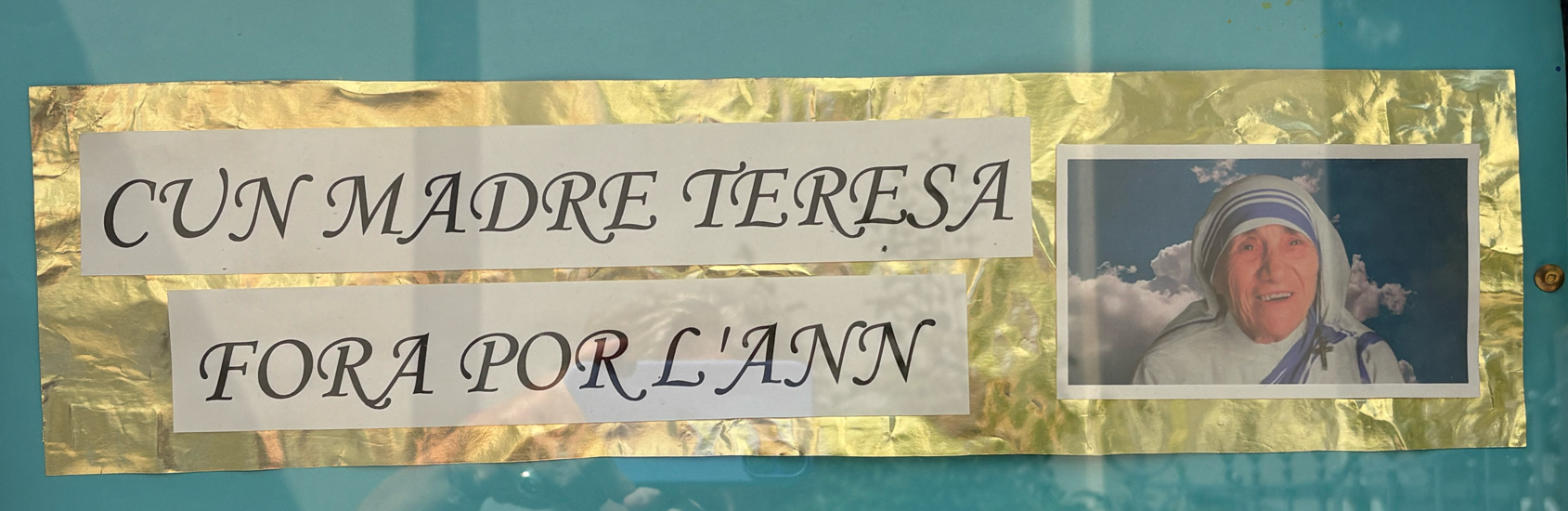
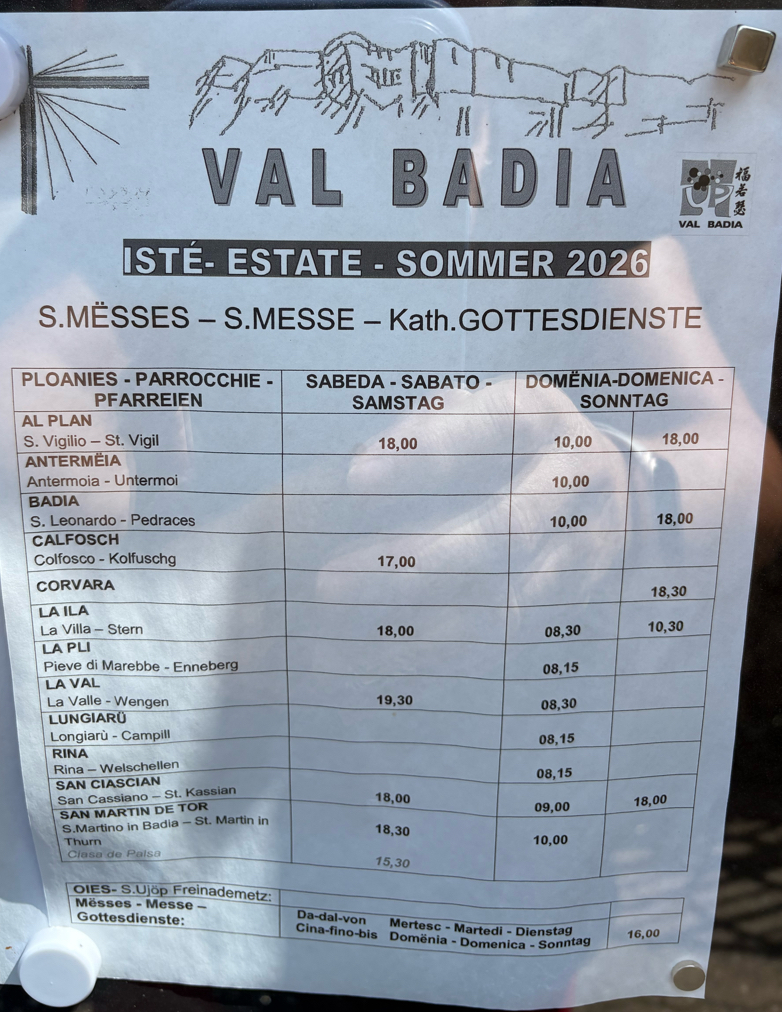
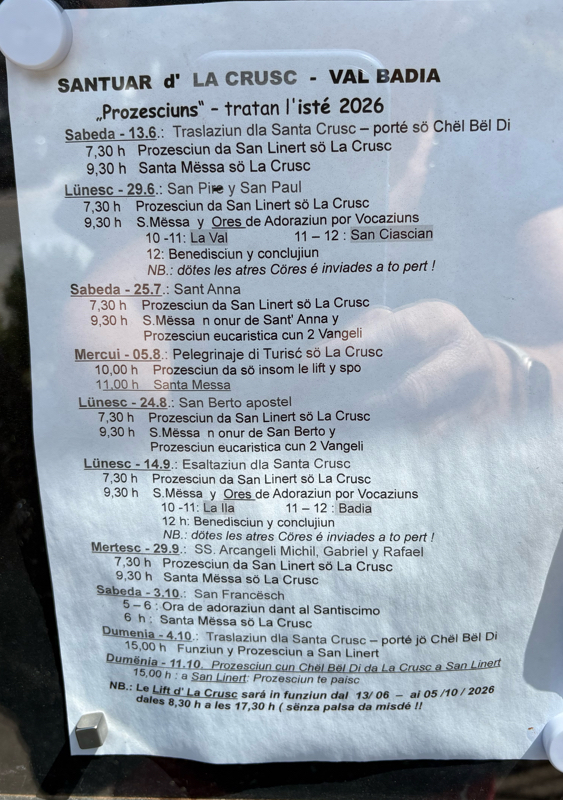
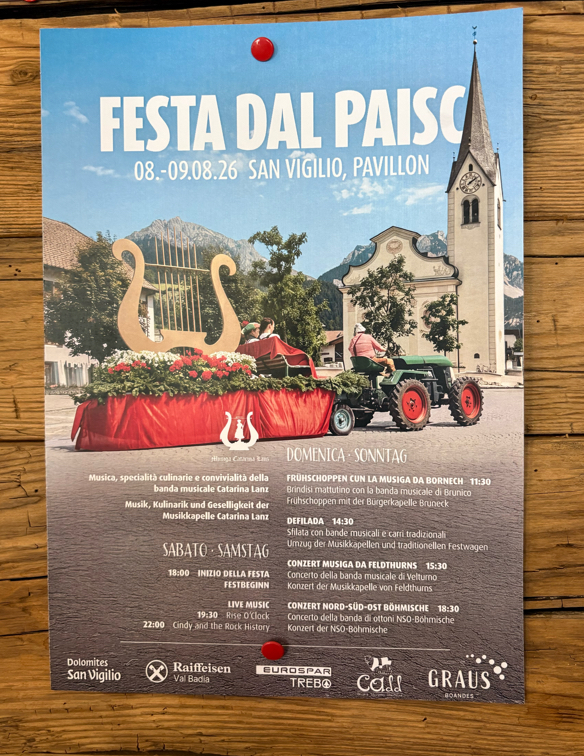
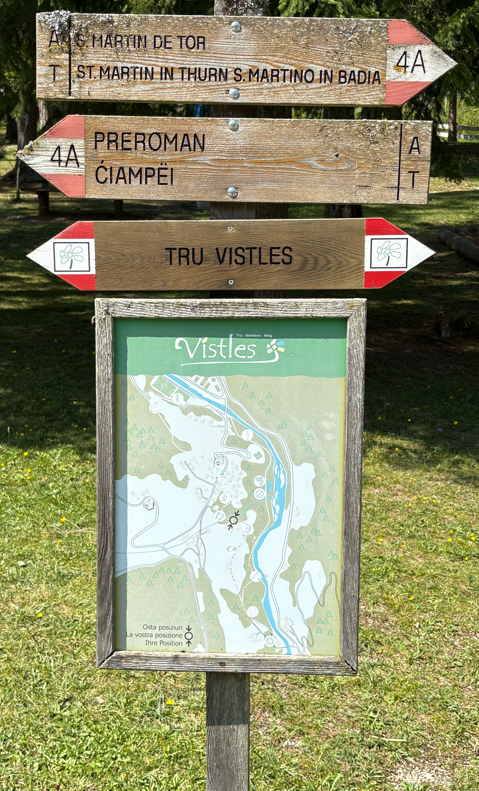
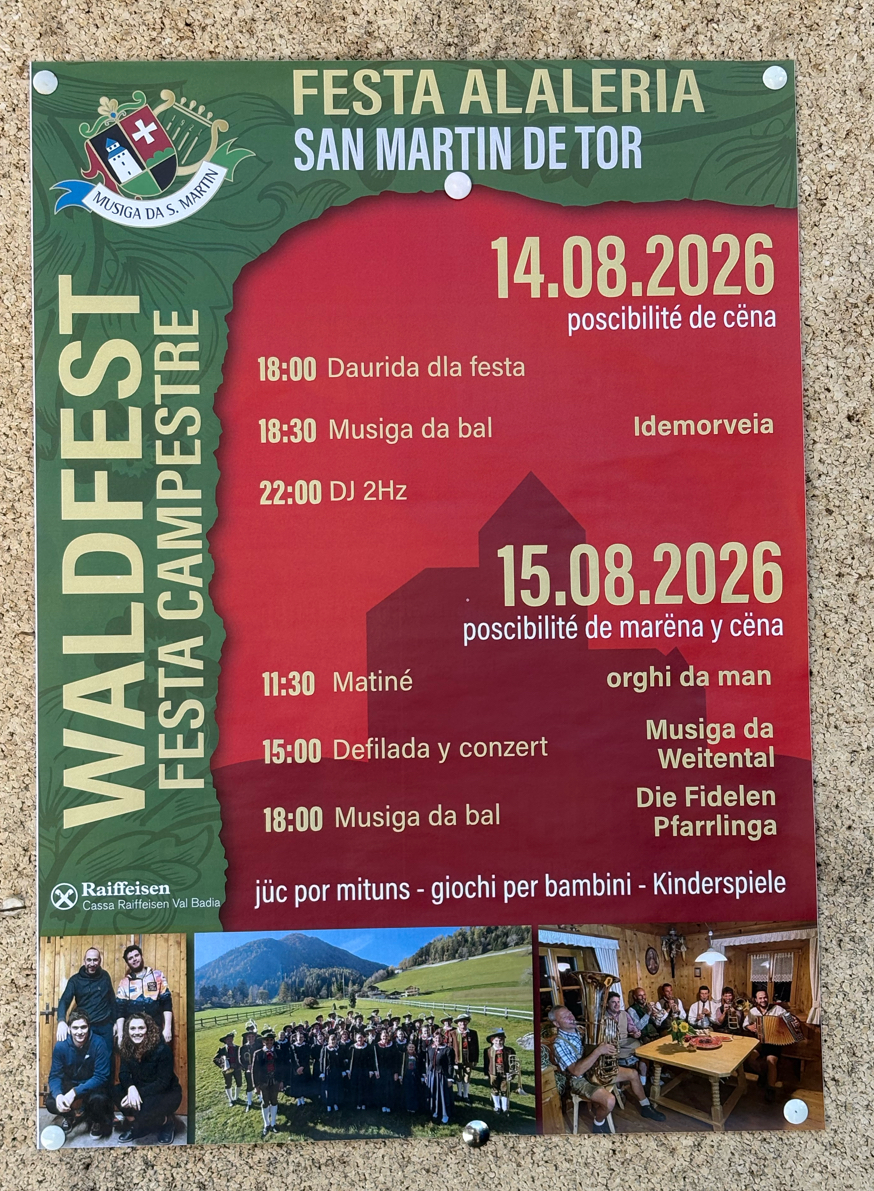
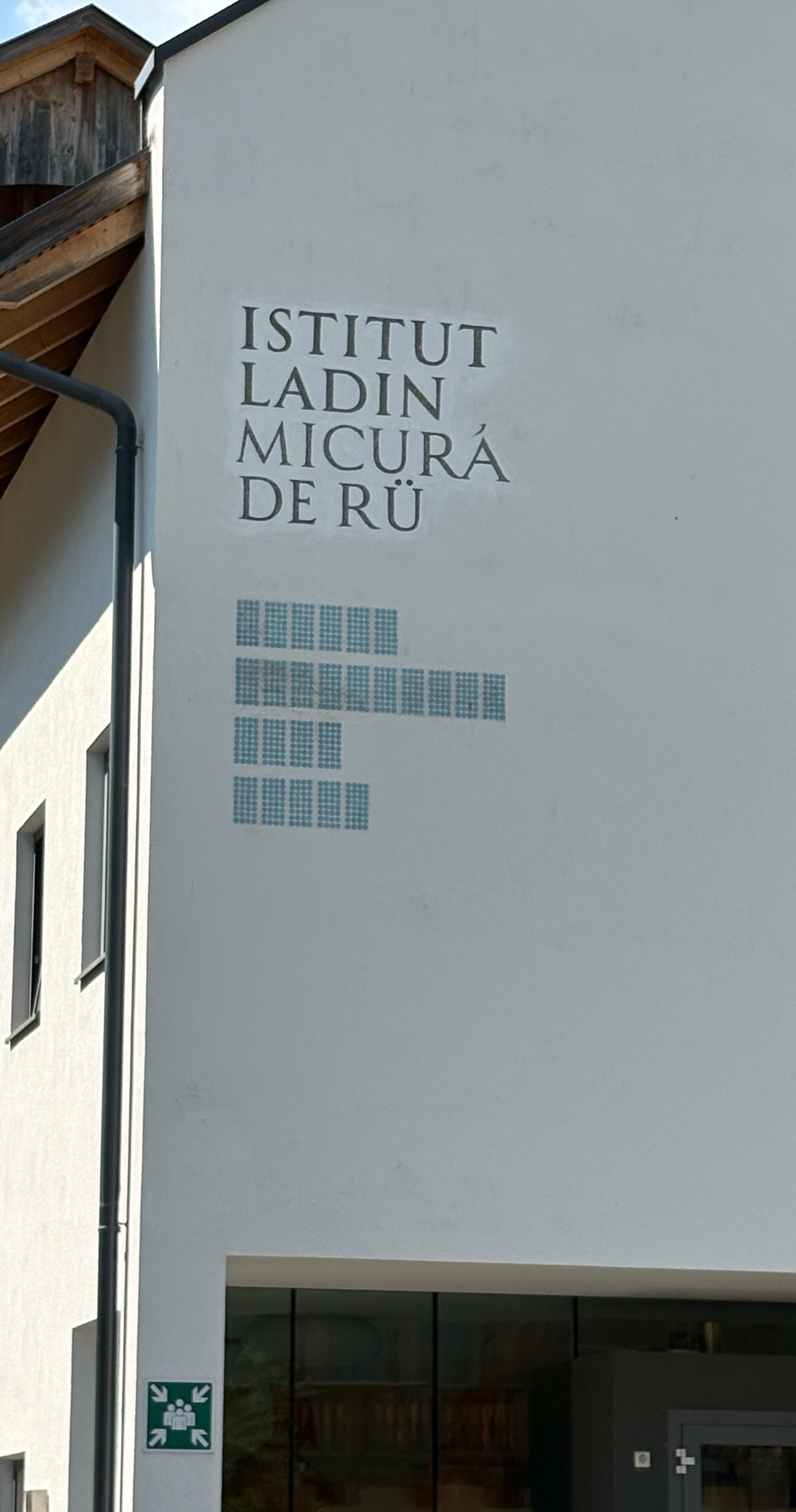
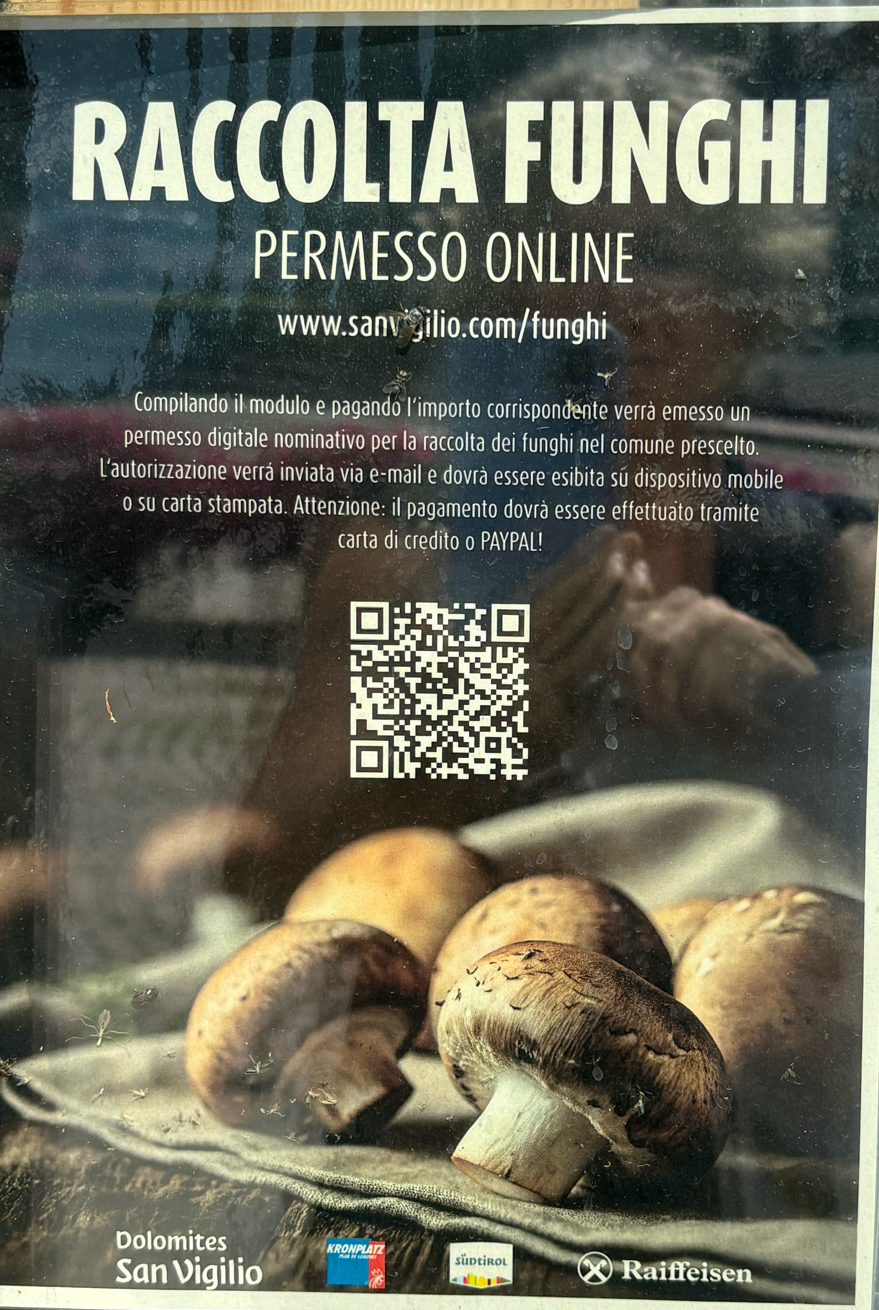
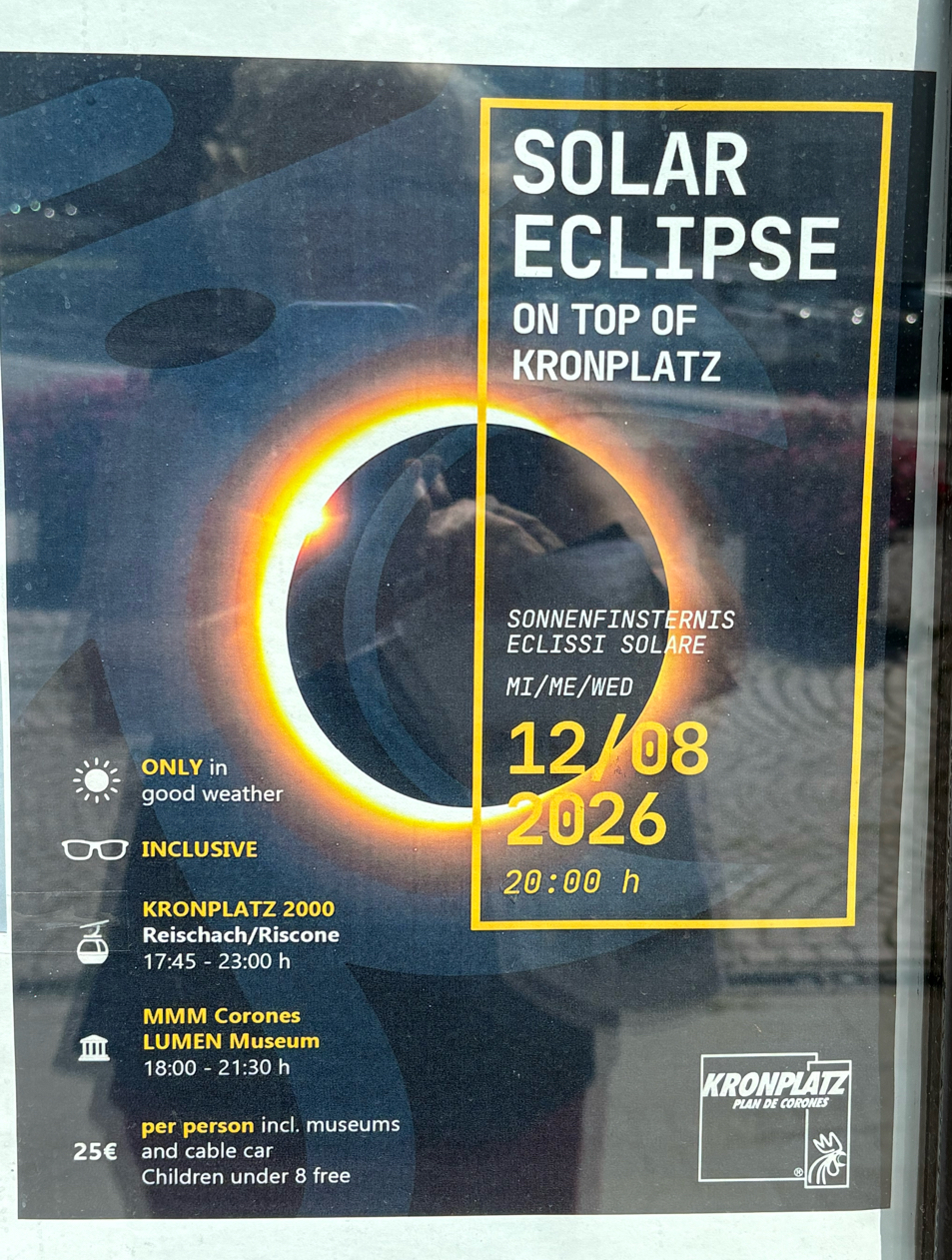
Pin 155547 Italia Selva di Val Gardena
Deutsch (German) Italiano (Italian) Ladin (Ladin)
authorized infrastructural operative top-down duplicating paper positioning photocopied latin poster fixed mobile event-related trilingual standard A3 – 1m² complete text advertising pillar
LL-Politics_Südtirol
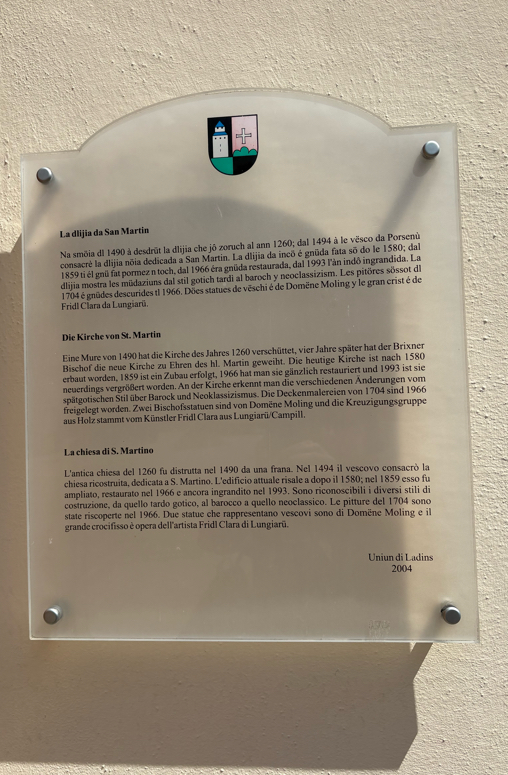
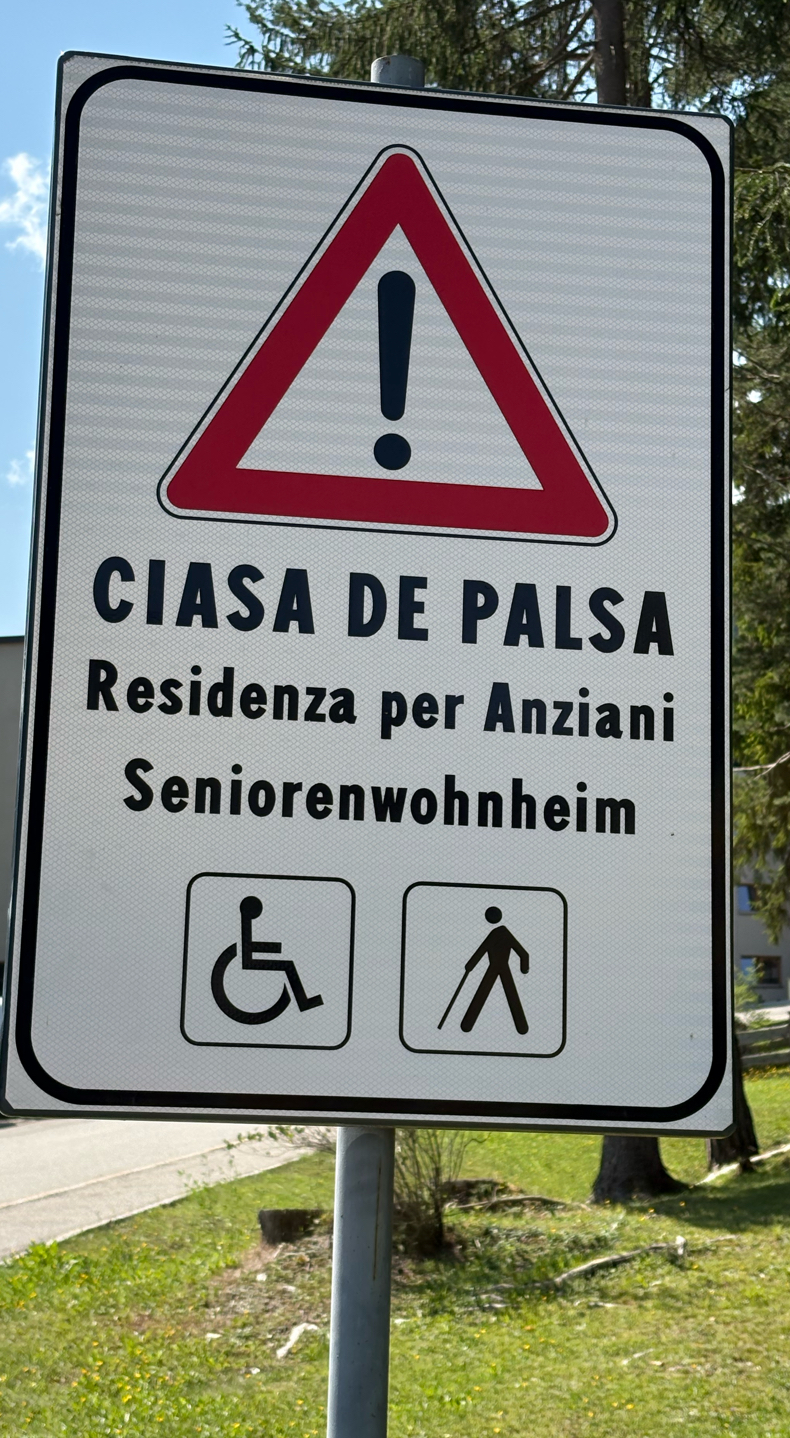
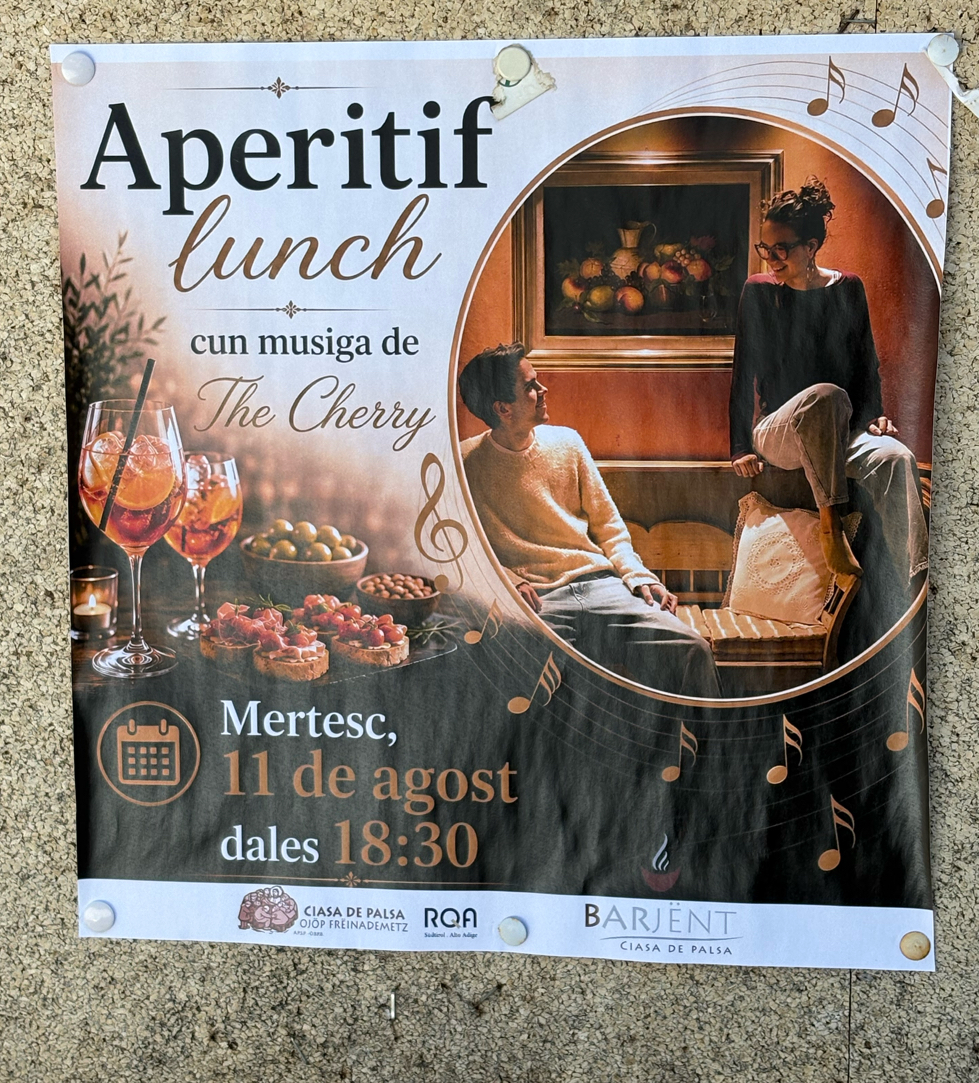
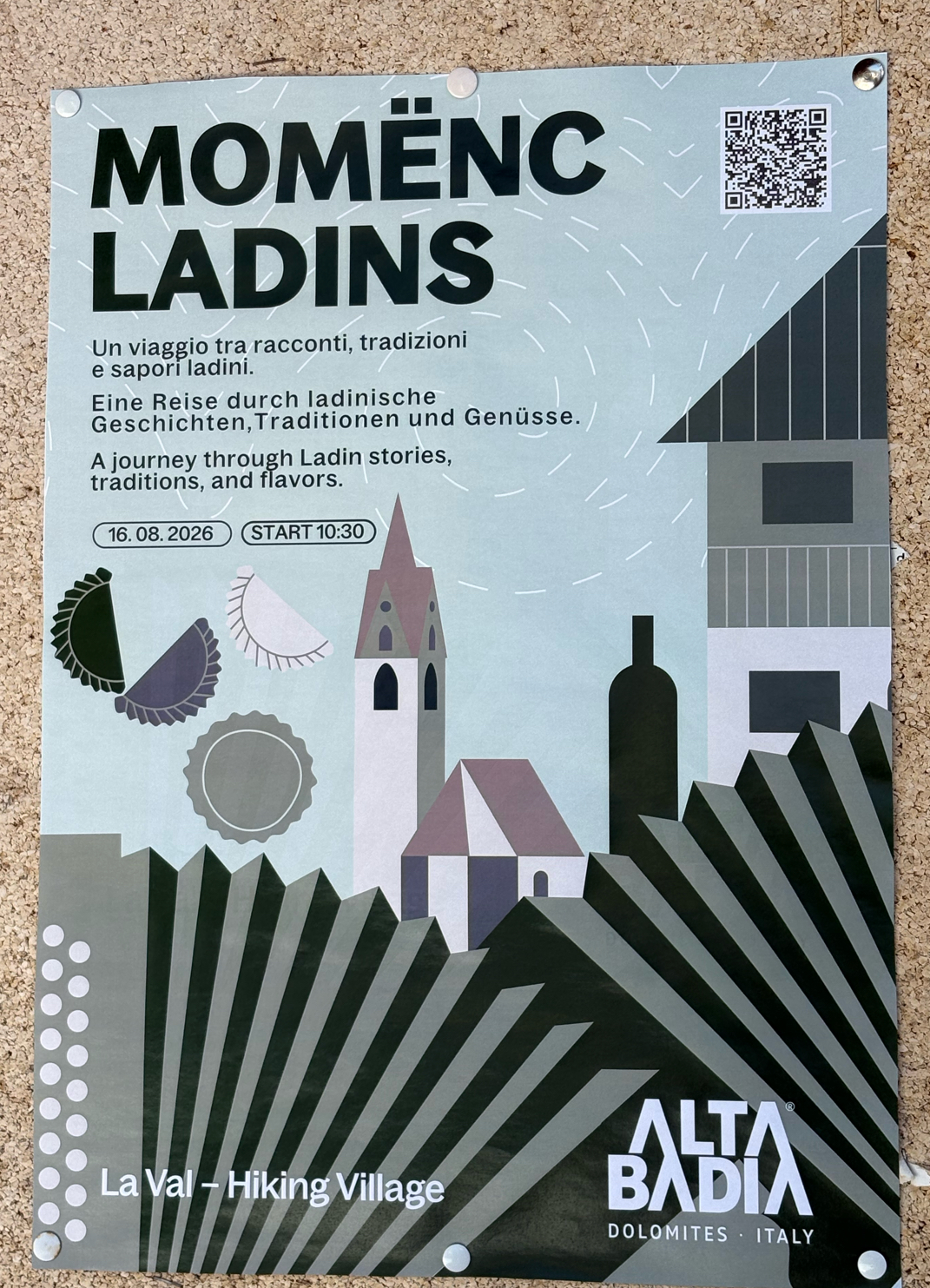
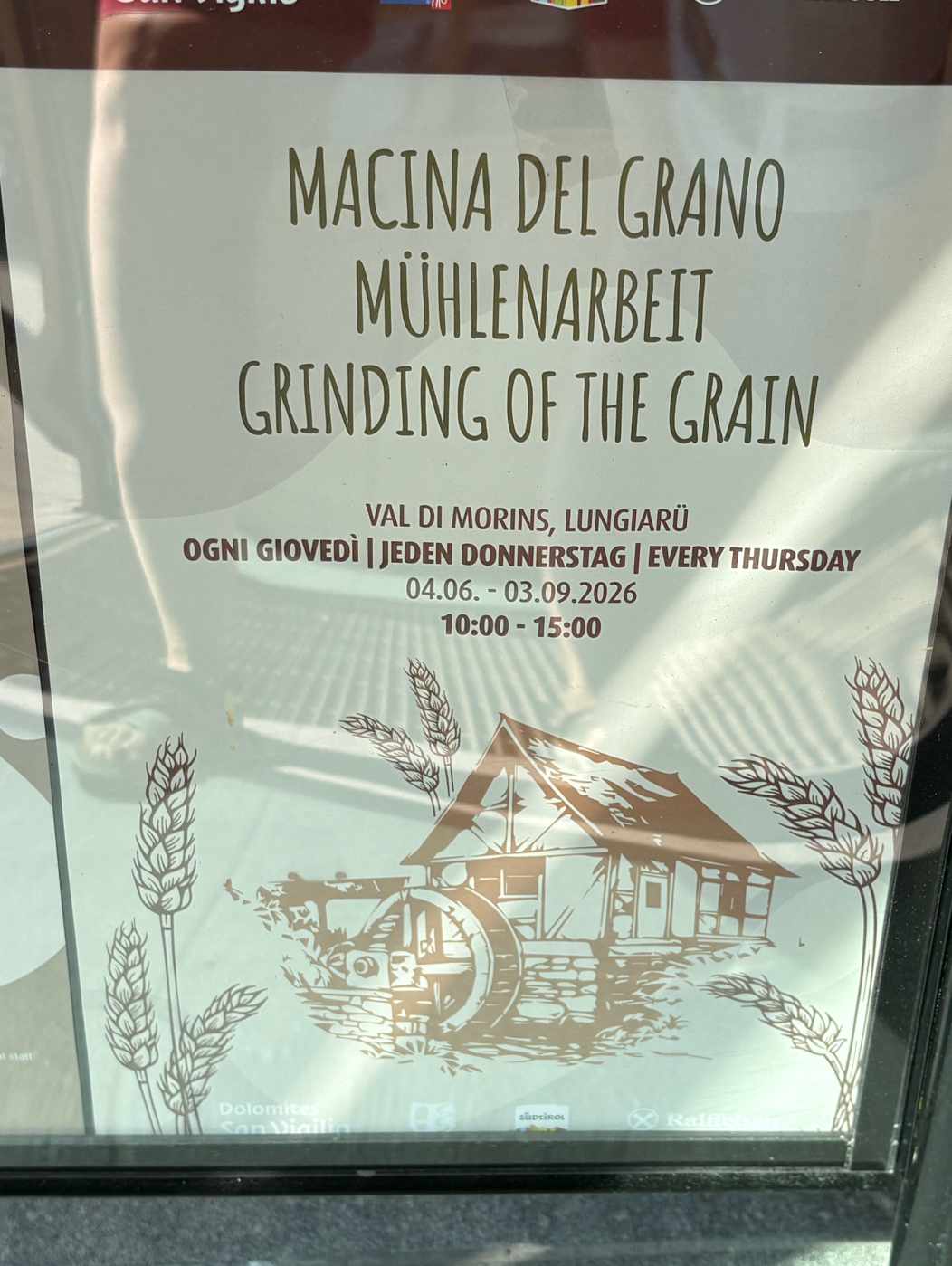
Pin 155546 Italia Selva di val Gardena
Deutsch (German) Italiano (Italian) Ladin (Ladin)
authorized informatory infrastructural operative top-down duplicating paper positioning size printed latin poster typeface fixed mobile permanent trilingual standard A3 – 1m² image complete text poster
LLSüdtirol
Pin 155545 ravzaaydin Almanya München
العربية (Arabic) English (English) Kurdî | کوردی (Kurdish) Af-Soomaali (Somali) Türkçe (Turkish)
top-down religious arabic latin monolingual other
Das Zeichen richtet sich gezielt an religiös geprägte, migrantische bzw. diasporische Gemeinschaften und stellt eine Top-down-Initiative im urbanen öffentlichen Raum dar. Es bezeichnet eine expressive, religiöse sowie symbolisch-performative Funktion und kann dem Typ temporäre, festbezogene öffentliche Beschilderung zugeordnet werden. Verwendet werden mehrere Sprachen und Varietäten, darunter Türkisch, Arabisch, Kurdisch (Kurmancî), Somali sowie Englisch, die teilweise in unterschiedlichen Schriften realisiert sind. Auffällig ist dabei die Abwesenheit des Deutschen, obwohl sich das Zeichen im deutschsprachigen Kontext befindet, was auf eine gezielte Adressierung spezifischer Communities statt einer allgemeinen Öffentlichkeit hinweist. Die sprachliche Auswahl umfasst nicht nur global verbreitete Sprachen, sondern auch diasporische Sprachen und verweist damit auf einen superdiversen urbanen Kontext. Hinsichtlich der Materialität und des Modus handelt es sich um eine temporäre Lichtinstallation auf der Fassade eines historischen Gebäudes. Die verwendeten Schriften variieren je nach Sprache (u. a. lateinisch und arabisch) und unterstreichen die visuelle Inszenierung von Mehrsprachigkeit als Marker von Zugehörigkeit, Sichtbarkeit und Inklusion im öffentlichen Raum. English: The sign is specifically directed at religiously shaped migrant and diasporic communities and represents a top-down initiative in the urban public space. It denotes an expressive, religious, and symbolically performative function and can be classified as temporary, event-related public signage. Multiple languages and varieties are used, including Turkish, Arabic, Kurdish (Kurmancî), Somali, and English, some of which are rendered in different scripts. Notably, German is absent despite the sign being located in a German-speaking context, which indicates a targeted address to specific communities rather than the general public. The linguistic selection goes beyond globally widespread languages and includes diasporic languages, pointing to a superdiverse urban environment. In terms of materiality and mode, it consists of a temporary light installation on the façade of a historic building. The scripts vary depending on the language (including Latin and Arabic), reinforcing the visual staging of multilingualism as a marker of belonging, visibility, and inclusion in public space. Visible Turkish
Pin 155488 Questoph Deutschland Kehrig
Deutsch (German) English (English)
Pin 155487 Questoph Deutschland Trier
Deutsch (German)
Pin 155475 ravzaaydin Almanya München
Türkçe (Turkish)
A multilingual Eid celebration was held at the old municipal building on the first day of Ramadan feast.. The phrase “iyi bayramlar” was included for the Turkish community
Pin 155474 Schmoeckie Italien Palermo
Italiano (Italian)
Pin 155473 Schmoeckie Italien Palermo
Italiano (Italian)
Pin 155472 Schmoeckie Italien Palermo
Italiano (Italian)
Pin 155471 Schmoeckie Italien Palermo
English (English) Italiano (Italian)
Pin 155470 Schmoeckie Deutschland Duisburg
Deutsch (German)
Pin 155468 Schmoeckie Deutschland Duisburg
Deutsch (German)
Pin 155467 Deutschland München
Deutsch (German) Türkçe (Turkish)
informatory infrastructural top-down latin street sign bilingual
Das Zeichen richtet sich sowohl an deutschsprachige als auch an türkischsprachige Gemeindemitglieder und stellt eine Top-down-Initiative einer religiösen Institution dar. Es bezeichnet eine informative sowie institutionelle Funktion und kann dem Typ funktionale, institutionelle und identitätsbezogene Beschilderung zugeordnet werden. Verwendet werden Deutsch („Bibliothek“) und Türkisch („Kütüphane“) in paralleler und gleichrangiger Anordnung, ohne erkennbare Hierarchisierung, was auf eine institutionell verankerte Zweisprachigkeit hinweist. Im Gegensatz zu rein symbolischer Mehrsprachigkeit erfüllt die Beschilderung eine klar funktionale Rolle im Sinne von Orientierung und Zugang, wirkt jedoch zugleich identitätsstiftend. Hinsichtlich der Materialität und des Modus handelt es sich um ein fest installiertes Schild im Innen- oder Eingangsbereich der Institution. Die verwendete Schrift ist lateinisch. English: The sign is directed at both German-speaking and Turkish-speaking community members and represents a top-down initiative by a religious institution. It denotes an informational and institutional function and can be classified as functional, institutional, and identity-related signage. The languages used are German (“Bibliothek”) and Turkish (“Kütüphane”), arranged in a parallel and non-hierarchical manner, indicating an institutionally embedded bilingualism. In contrast to purely symbolic multilingualism, the signage fulfills a clearly functional role in terms of orientation and access, while simultaneously contributing to identity construction. In terms of materiality and mode, it consists of a fixed sign located inside or at the entrance of the institution. The script used is Latin. Visible Turkish